Including non-core items such as gains from a share purchase transaction and losses due to unplanned downtime at a subsidiary, net income attributable to equity holders of the parent (NIAT) also reached P2.7 billion, up 15 percent from the previous year.
Strong energy
“Our double-digit earnings growth reflects the strength of our energy assets and the steady performance of our distribution utilities,” said Vivant CEO Arlo G. Sarmiento in a statement.
He noted that the company’s water business is also transitioning from an investment-heavy phase to one that generates revenue.
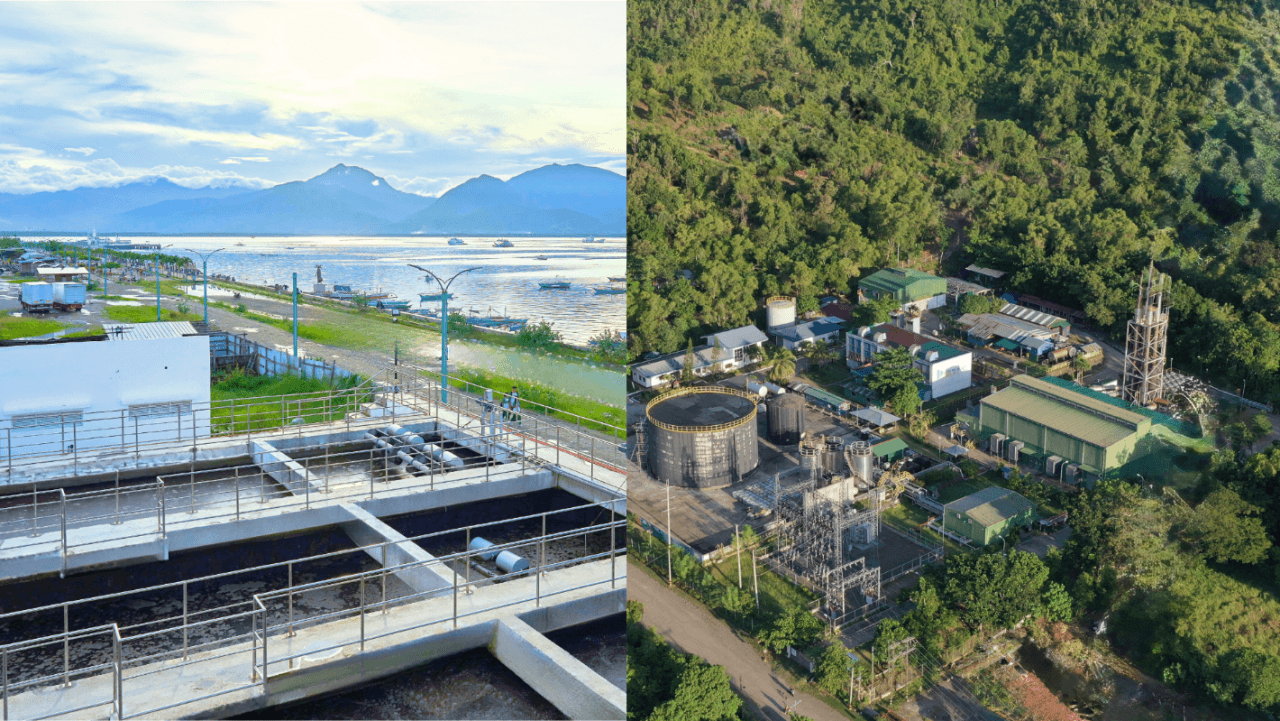
Vivant Energy remained the primary growth driver, contributing P3.4 billion to total net income. Power generation accounted for the bulk of this at P2.5 billion, or 73 percent of total energy profits, while the distribution utility segment added P1.1 billion. The retail electricity segment posted a P160-million loss, mainly due to higher power costs during the year.
The company’s diversified portfolio—including oil, coal, and solar assets—generated 4,441 gigawatt-hours (GWh) of energy in 2025. While total volumes declined 11 percent year-on-year, earnings from power generation were sustained by gains from the Reserve Market (RM).
RM nominations surged more than 1.7 times to 1,647 GWh, translating to P2.5 billion in revenues—more than double the previous year due to the resumption of RM operations.
A solar facility in Bataan, operated by SSREC, also contributed to earnings following Vivant’s acquisition of a 40-percent stake in September 2025.

Water gains
Vivant’s water business posted a P218-million income contribution in 2025, reversing a P9-million loss in 2024, as new projects began generating returns.
A key development was the 25-year joint venture agreement signed in April 2025 between Vivant Hydrocore Holdings and the Metropolitan Cebu Water District. The partnership aims to supply potable water from a 20-million-liter-per-day seawater desalination plant in Mactan.
Although the facility is not yet fully operational, Vivant began recognizing finance income from the concession asset in the second quarter of 2025.
Meanwhile, its wastewater treatment arm, FLOWs, maintained steady earnings, with treated volumes reaching 816 million liters during the year.
Revenue growth
Consolidated revenues rose 2 percent to P12.4 billion, supported by higher power sales and income from water concessions. Revenues from power sales increased 4 percent, driven by Reserve Market participation and higher generation output from key plants.
Operating expenses climbed 10 percent to P1.8 billion due to higher manpower, professional fees, and depreciation from recent capital expenditures.
As of end-2025, Vivant’s total assets stood at P35.3 billion, with equity attributable to the parent at P22.2 billion. Interest-bearing debt amounted to P7.5 billion, while its debt-to-equity ratio remained stable at 0.48x.
Expansion plans
The company also marked several milestones heading into 2026, including securing a Department of Energy award for a 17.5-megawatt solar project in Bohol under the Green Energy Auction Program.
It also signed a 15-year power supply agreement to deliver 11 MW of capacity to Siquijor, set to begin in the second half of 2026.
In addition, Vivant expanded its footprint in wastewater treatment by increasing its stake in FLOWs to 90 percent, strengthening its position in the sector. —Ed: Corrie S. Narisma