Insider Spotlight
The pitch comes as the Philippines ranks as the most congested country in Asia, with commuters losing significant productive hours annually. This strain is pushing companies and investors to reconsider traditional business districts in favor of emerging regional hubs.
Why it matters
Traffic is no longer just a mobility issue but an economic one. Lost hours translate into reduced productivity, constrained talent mobility, and supply chain inefficiencies.
Biz Hub’s model attempts to address these structural challenges by bringing workplaces closer to where people live.
The big picture
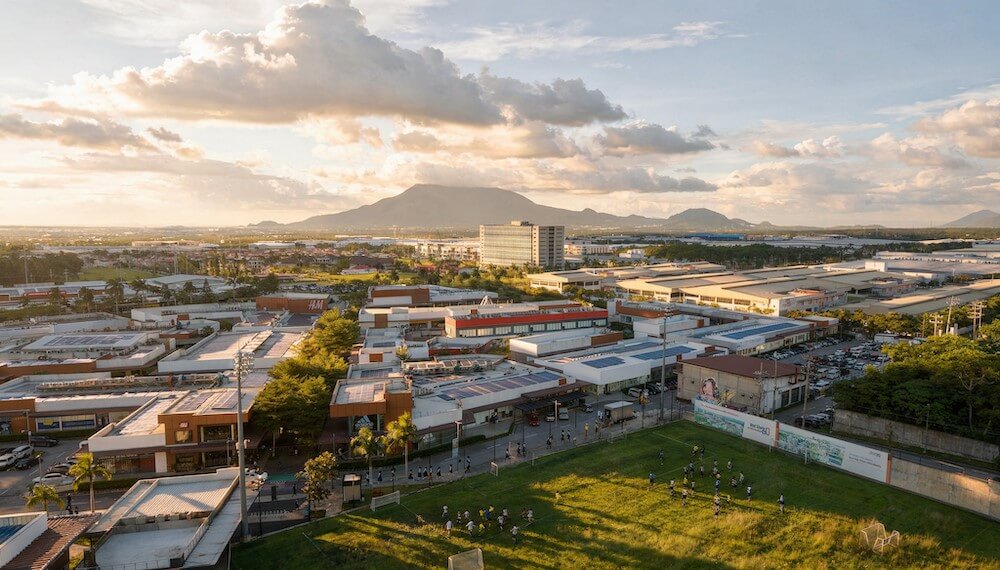
Situated within the 1100-hectare LIMA Estate in Lipa-Malvar, Batangas, Biz Hub functions as the commercial core of a broader industrial township.
The estate already hosts nearly 200 locators and supports around 75000 workers, creating a built-in demand for commercial and office spaces.
This positioning, according to the company, reflects a deliberate shift toward industry-anchored central business districts rather than lifestyle-driven developments.
"Biz Hub at LIMA Estate is not competing on lifestyle alone. It is a central business district built on an operating economy, anchored by jobs and designed for productivity," said Rafael Fernandez de Mesa, CEO and president of Aboitiz Land and Aboitiz Economic Estates.

By the numbers
A 2021 study estimated that Metro Manila commuters spend 188 hours yearly in traffic, equivalent to roughly seven days, with economic losses reaching P27.221 billion annually.
What’s driving growth
Upcoming infrastructure projects, including the LIMA Gateway and a new STAR Tollway interchange, are expected to enhance access to the estate and further stimulate business activity in the corridor.
The bottom line
Aboitiz is betting that integrated estates like LIMA can redefine how and where business gets done in the Philippines, shifting growth away from Metro Manila toward more sustainable, productivity-focused regional centers. — Princess Daisy C. Ominga | Ed: Corrie S. Narisma