Insider Spotlight
Hosted for the first time in the Philippines, the symposium gathered about 160 policymakers, government officials, academics, and researchers from Southeast Asia, South Korea, and Australia to examine how comparative policy experiences can help address governance and development challenges in ASEAN transition economies, particularly Vietnam, Laos, Cambodia, and Myanmar.
The big picture
Under the theme "Advancing National Development in ASEAN Transition Economies through Korea-ASEAN Strategic Partnership," discussions centered on strengthening state capacity, improving public sector performance, expanding diplomatic and security cooperation, and building socio-political and cultural institutions through cross-border collaboration. Organizers positioned the forum as a platform for developing practical policy recommendations rather than simply exchanging academic research.
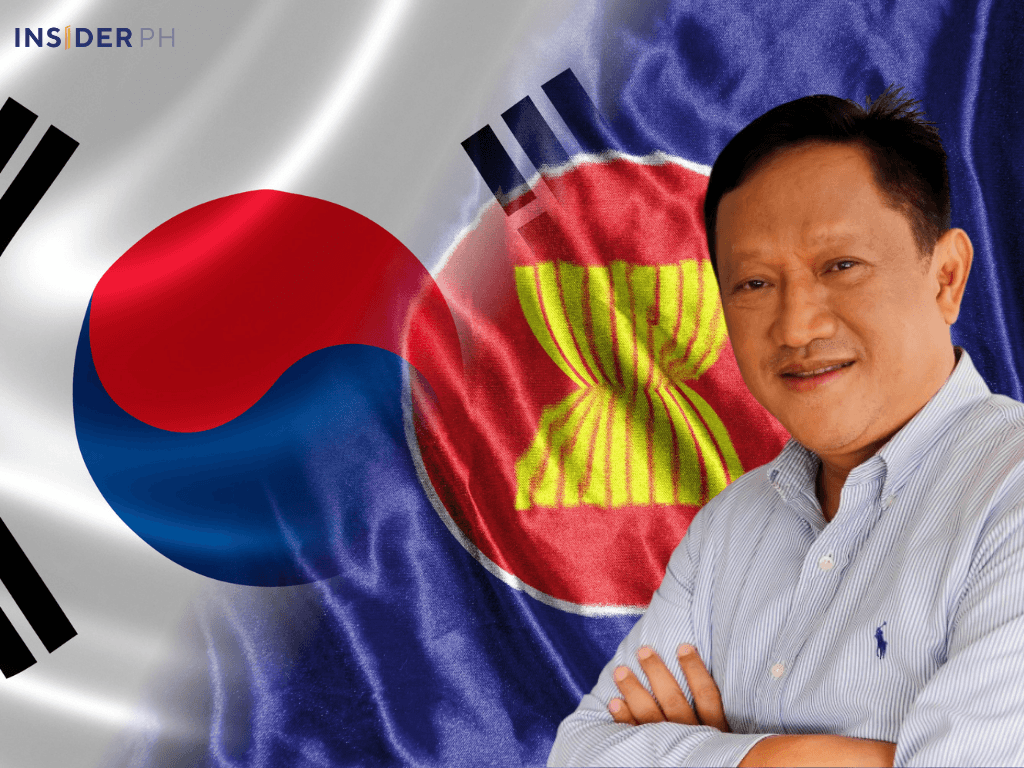
In his opening remarks, University of the Philippines president Angelo Jimenez said effective policymaking depends on evidence, institutional capability, and continuous learning among countries.
“An effective policy can pave the road to national development. But the road to crafting effective policies is another matter altogether,” he said on Friday, Sept. 18, 2026 at the forum held in Pasay City. “It requires evidence, experience, institutional capacity, and, perhaps most importantly, the willingness to listen and learn from others.”
Policy outlook
Jimenez said ASEAN countries should move beyond sharing experiences and focus on adapting successful policy approaches to local conditions, noting that geopolitical tensions, economic disruptions, and technological change require stronger institutions and more coordinated regional responses. He also stressed that governments should invest in diplomatic capacity, public sector reform, and evidence-based policymaking supported by universities and research organizations.
He added that the symposium should serve as a launching point for longer-term research partnerships, institutional exchanges, and continuing policy dialogue that can translate comparative research into actionable reforms. According to Jimenez, sustained cooperation across governments, academia, and research institutions will be essential to advancing inclusive and sustainable development throughout the region.
— Edited by Daxim L. Lucas