Insider Spotlight
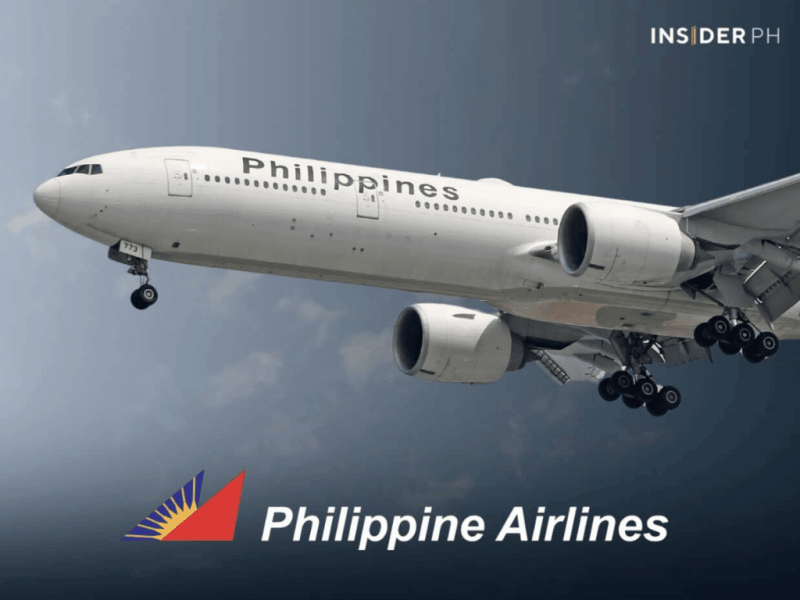
The flag carrier is offering 10-percent off roundtrip base fares to Incheon and Busan, positioning the deal as timely amid a packed entertainment calendar and the approach of peak spring and summer travel.
Why it matters
South Korea remains one of the most popular leisure destinations for Filipinos, driven by K-pop concerts, K-drama tourism, and food culture.
By tying discounted fares to upcoming travel windows, PAL is looking to capture early bookings while reinforcing its premium, full-service positioning.
What’s being offered
Travelers can book discounted flights to South Korea until Feb. 8, 2026. Travel from Manila to Busan is already open, while flights from Manila to Seoul Incheon begin on June 1, 2026, aligning with early summer travel demand.
Roundtrip economy base fares start at $220 for Seoul Incheon and $210 for Busan, before taxes and surcharges.

Between the lines
The timing is strategic. South Korea’s entertainment calendar is filling up with concerts and fan events, while spring and summer remain peak seasons due to cherry blossoms and filming locations featured in popular dramas. Discounted fares allow fans to plan trips around these events months in advance.
A competitive edge
PAL highlighted that it remains the only Philippine carrier operating the Manila–Busan direct route, giving it a niche advantage in southern South Korea access. This exclusivity helps the airline differentiate itself from regional competitors that primarily focus on Seoul routes.
Service positioning
As the country’s only full-service airline, PAL is emphasizing comfort, reliability, and Filipino hospitality as part of the travel experience. This messaging supports its broader brand strategy of pairing promotional fares with service quality rather than competing purely on price.
What’s next
Bookings are available through PAL’s website, mobile app, hotline, and accredited ticketing offices and travel agents.
With South Korea continuing to draw strong interest from Filipino travelers, the promotion signals confidence that outbound leisure demand will remain resilient through mid-2026. —Vanessa Hidalgo | Ed: Corrie S. Narisma