Insider Spotlight
The investment covers substation enhancements, as well as upgrades to power lines, transformers, and poles. Early results show significant gains in service stability.
Why it matters
The company reported that the average number of monthly outages fell to 1.41 in 2025, a 59-percent drop from the previous year. Outage duration also declined steeply, averaging 129 minutes per month from 993 minutes previously. These improvements signal stronger grid performance in a region long challenged by unreliable power.
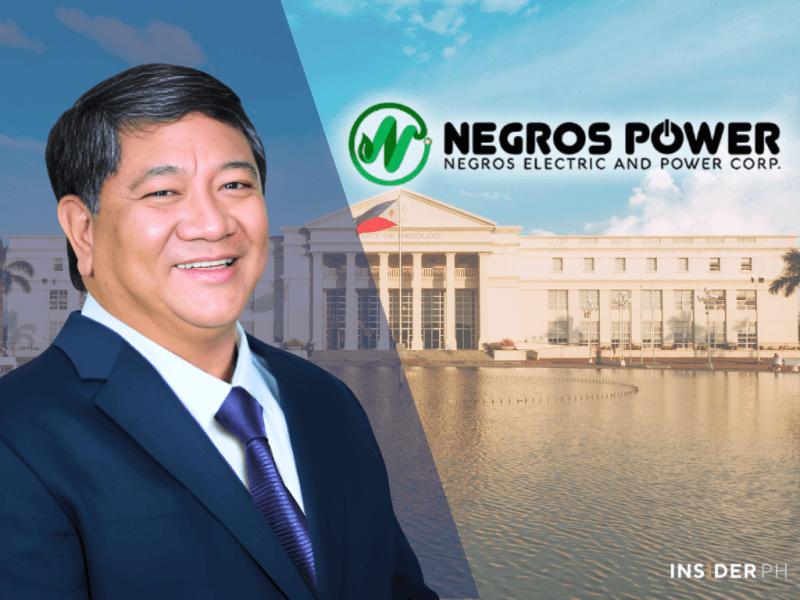
“Our goal is to ensure that our customers continue to enjoy affordable power while supporting our long-term sustainability through renewable energy,” said Roel Castro, president and CEO of Negros Power.

By the numbers
Beyond reliability gains, the firm is widening electricity access through its Sitio Electrification Program. By end-2025, it energized 41 sitios, delivering power to 2,061 households. The next phase targets more than ten thousand households across hundreds of additional sitios.
To streamline adoption in remote areas, Negros Power introduced on-site applications and payment systems, reducing barriers for underserved communities.
Zoom in
Urban infrastructure is also getting a facelift. The company has begun rolling out underground distribution systems, replacing overhead lines with underground cables in key cities including Iloilo. The shift is expected to strengthen grid resilience while improving city landscapes.
Complementing these upgrades is a 37.5-megavolt-ampere mobile substation worth P192 million, set for deployment within the year. The facility will provide backup capacity during substation upgrades and support rising electricity demand.
What they’re saying
Local leaders, including former Negros Occidental Gov. Rafael Coscolluela, welcomed the push, citing stronger infrastructure and stable electricity rates.
Negros Power is positioning its modernization drive as a template for other utilities, combining reliability gains, rural electrification, and sustainability into a scalable model for the country’s evolving energy needs. —Daxim L. Lucas | Ed: Corrie S. Narisma