Insider Spotlight
About 31 percent of Filipinos remain in a languishing state of mental wellbeing, according to AXA Philippines, even as the share of those classified as struggling showed slight improvement compared with previous years.
Concerns over financial instability and rising social unrest continue to weigh heavily on many individuals, the insurer said in a statement.
Global trend
The findings come from AXA’s 2026 Mind Health Report, a global study conducted in partnership with research firm IPSOS. The survey covered 19,000 adults aged 18 to 75 across 18 countries between January and February this year.
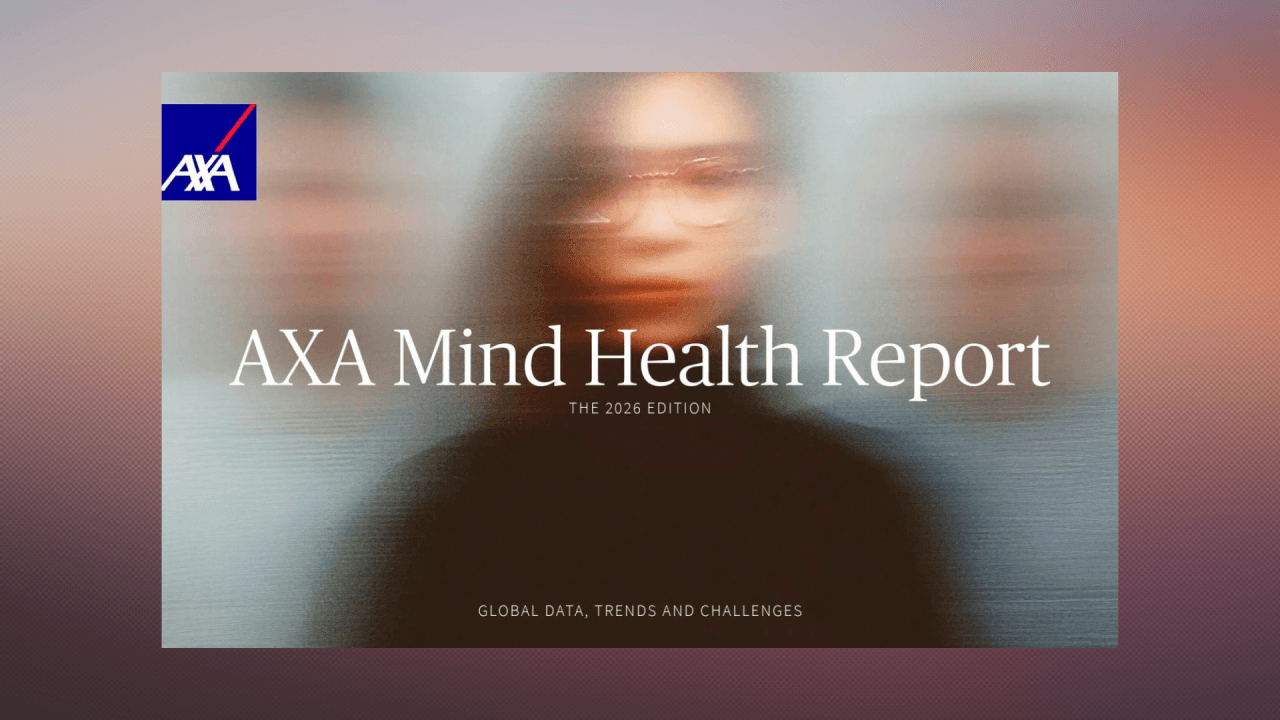
Globally, mental health conditions continued to deteriorate, with mental health scores reaching their lowest levels since the survey was first conducted in 2021 in 10 of the 16 countries tracked. Nearly half, or 46 percent, of respondents worldwide said they were either struggling or languishing.
In the Philippines, the report pointed to a more nuanced picture. While some indicators improved, long-standing stressors remain deeply embedded in daily life, particularly among younger Filipinos navigating an increasingly digital environment.
Youth impact
Among Filipino youth, 72 percent reported feelings of loneliness or sadness, underscoring the emotional challenges facing a generation that spends much of its day online.
The report found that young Filipinos spend an average of 7.5 hours daily on screens, with 98 percent saying this negatively affects their lives.
Respondents cited issues such as disrupted sleep, difficulty concentrating, and emotional overstimulation linked to extended digital engagement.
These pressures have also translated into higher levels of stress and anxiety, with some individuals reporting poorer wellbeing and more frequent sick leaves.
AXA said the findings suggest emotional strain is increasingly affecting performance in school, work, and daily activities.
AI support
As mental health concerns persist, more Filipinos are turning to artificial intelligence for guidance and support.
The report found that 29 percent of Filipinos regularly use AI-enabled tools to help manage their mental health, exceeding the global average of 21 percent.
Usage was particularly common among people aged 18 to 34 and among those who already reported having a mental health condition.
However, the growing reliance on AI also raises concerns. About 33 percent of Filipino users said they had felt uneasy after receiving AI-generated guidance, while one in four reported encountering recommendations that led to harmful behavior.
The report also highlighted affordability as a major obstacle to professional mental health care in the Philippines.
Unlike global respondents, who more commonly cited lack of awareness as a barrier, Filipinos identified the cost of services as the primary challenge to seeking support.
Shared responsibility
Ayman Kandil, president and chief executive officer of AXA Philippines, said the findings reflect how multiple pressures are increasingly converging in people’s lives.
“Filipinos are carrying multiple pressures at once and still trying to keep up with school, work, and daily life,” Kandil said. “When emotional strain starts affecting how people function every day, support cannot wait for burnout or crisis.”
He added that making mental health support more accessible and encouraging people to seek help early should become a shared responsibility among communities, employers, and institutions. —Ed: Corrie S. Narisma