The initial delivery of 5,000 cubic meters of potable desalinated water started flowing into the MCWD distribution system on July 1 from IMCC, a subsidiary of Vivant Water.
Supply will be increased in phases until it reaches the full daily commitment of 20,000 cubic meters as intake systems are further stabilized.
Climate resilience
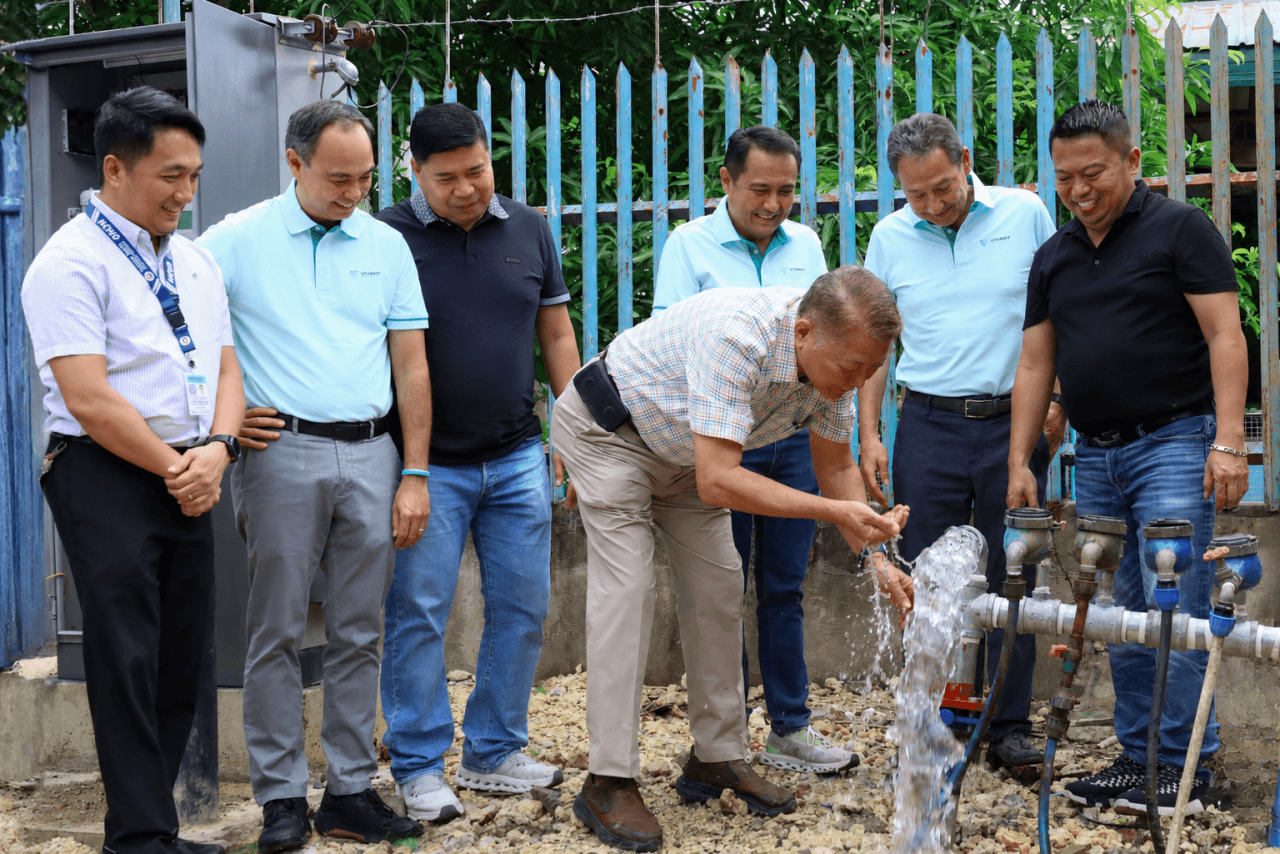
Officials from MCWD, Vivant Water, and the Cordova local government gathered at the water injection point for the ceremonial tapping that connected IMCC's desalination plant to the district's distribution network.
The additional supply comes as MCWD prepares for the anticipated effects of El Niño and seeks to diversify Metro Cebu's water sources amid growing demand, climate variability, and rapid economic development.
Once operating at full capacity, the desalination facility is expected to provide enough potable water to serve nearly 30,000 Cebuano households.
"The MCWD administration has been actively looking for partners who understand the urgency of Cebu's water needs and share our vision of serving Cebuanos better," MCWD general manager Atty. John Dx Lapid said in a statement.
MCWD board chair Ruben Almendras said the partnership goes beyond expanding supply.
"With Vivant Water, we found a company that sees this situation through the same lens. That makes this partnership personal, and it makes every step intentional. This is about bringing additional water supply to the communities we serve while building stronger foundations for Cebu's future," he said.
Strategic partnership
The water supply arrangement stems from the joint venture agreement signed by MCWD and Vivant Water in April 2025 for the delivery of 20,000 cubic meters of desalinated water daily to Metro Cebu.
"Vivant aims to create solutions for our changing world. But before we speak of a sustainable tomorrow, we must first help sustain what is needed here at home—where responsibility feels most personal," said Vivant Corp. CEO Arlo Sarmiento.
Water experts have long called for Metro Cebu to expand climate-resilient water sources to ease pressure on depleted groundwater aquifers and reduce the risks associated with overextraction.
Unlike conventional sources, desalinated water does not rely on groundwater or river systems, providing an alternative supply that can support the region's long-term growth.
Future supply
Vivant Water president Jess Anthony Garcia described the project as a milestone for both Cebu and the country.
"This is a milestone not only for us but for the country," Garcia said. "But more than that, we are in a race with nature. The sooner we bring climate-resilient sources online, the sooner we can help reduce stress on our aquifers and protect the natural resources that Cebu's future depends on."
The integration of desalinated water into the MCWD network forms part of the utility's broader strategy to build a more reliable and climate-resilient water supply system capable of meeting Metro Cebu's growing household and business needs. —Ed: Corrie S. Narisma