Insider Spotlight
The water concessionaire for the western zone of Metro Manila reduced average NRW to 34.9 percent in 2025 from 39.4 percent a year earlier, with the year-end level falling further to 30.7 percent, equivalent to about 256 million liters per day of recovered water.
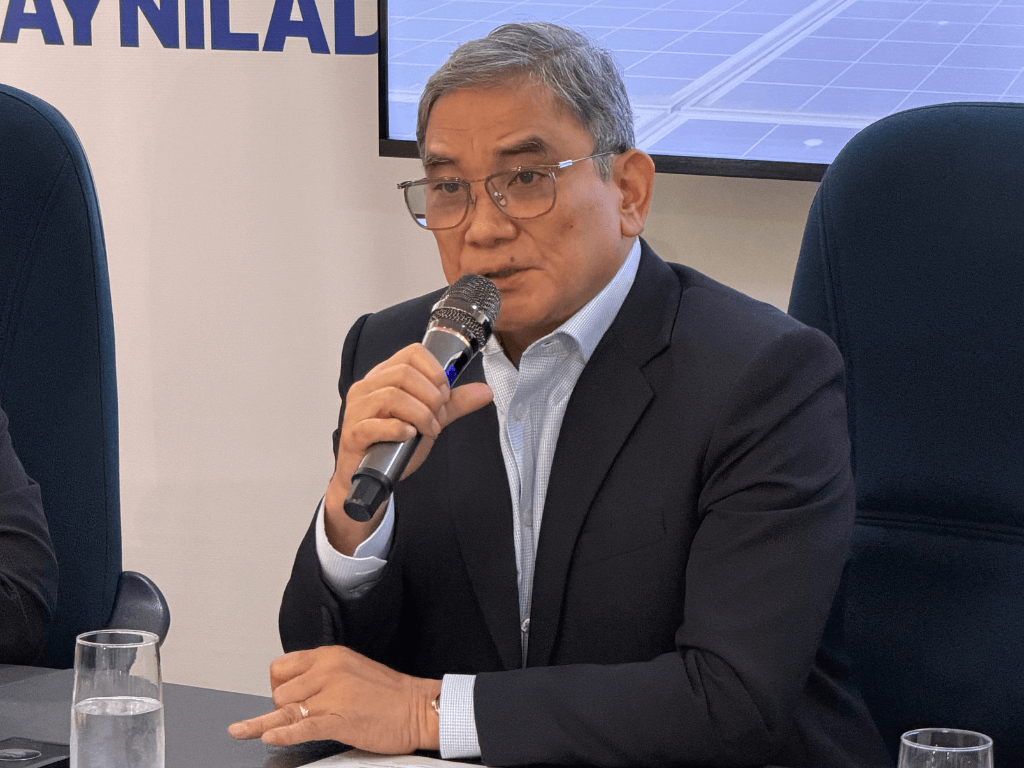
Company president and CEO Ramoncito Fernandez said the company’s long-term goal is clear.
“The international standards on NRW is our benchmark — it’s about 20 percent,” he said in a press briefing on Tuesday, Feb. 24, 2026. “Our business plan is directed towards achieving that level.”
Why it matters
NRW refers to water that is produced but not billed due to leaks, illegal connections, or metering inaccuracies. Lowering NRW boosts available supply without building new sources, improves operating efficiency, and strengthens earnings.
In 2025 alone, the reduction in wasted and unbilled water translated into hundreds of millions of liters per day in recovered volume — roughly equivalent to the output of a major treatment facility — helping buffer supply through peak demand periods.
The company is targeting NRW of 25 percent by 2027 and 20 percent by 2030 under its approved business plan.
The price tag
Fernandez said Maynilad expects to keep spending heavily even as it approaches the goal.
“The capex related to that, our own estimation is that we will continue to spend between P5-6 billion a year until the time that we reach 20 percent by 2030,” he said.
These NRW-specific investments form part of a broader capital program that has already hit record levels.
Maynilad disbursed P26.9 billion in capital expenditures in 2025, the highest in its history. For 2026, spending is expected to climb further to about P30 billion — another record — as the company ramps up infrastructure, supply augmentation, and network upgrades.
By the numbers
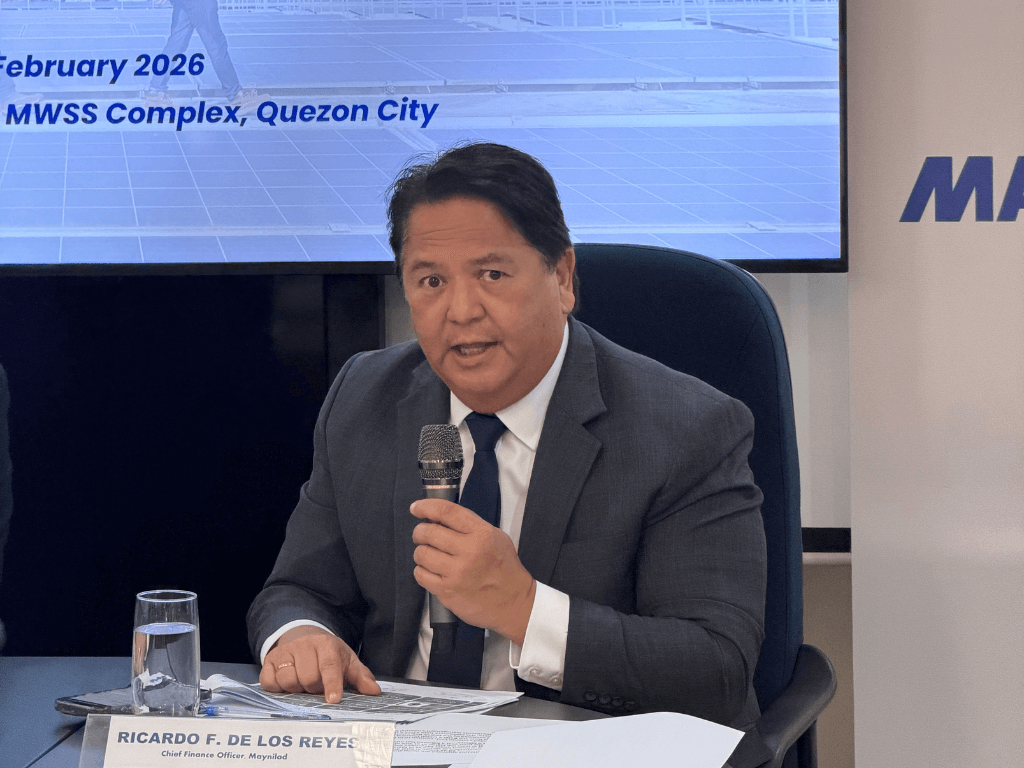
Chief financial officer Ricardo de los Reyes said cash operating expenses grew only 1.5 percent, partly reflecting lower production requirements as leaks were reduced.
The bottom line
For Maynilad, trimming NRW is not just a technical metric but a financial lever. As it moves toward the 20 percent benchmark by 2030, sustained multibillion-peso investments — including a record P30 billion capex this year — are set to anchor both water security and earnings growth.
— Edited by Daxim L. Lucas