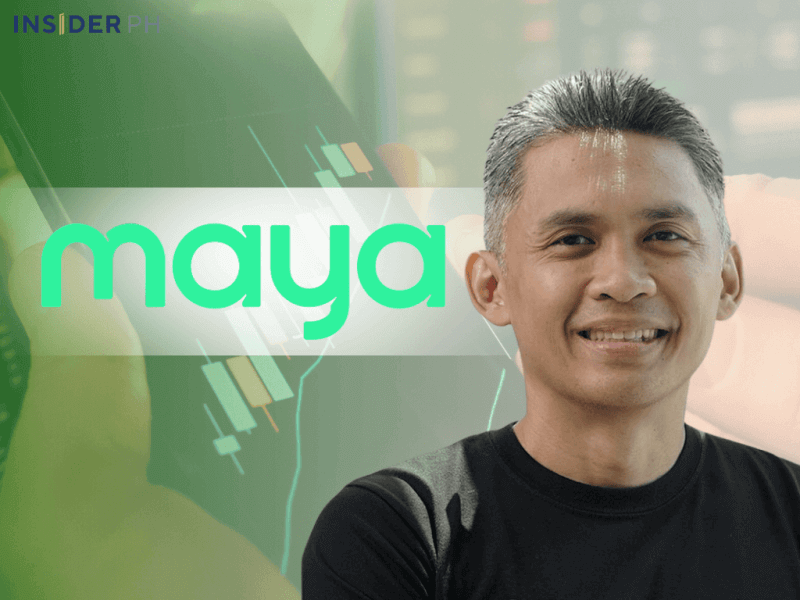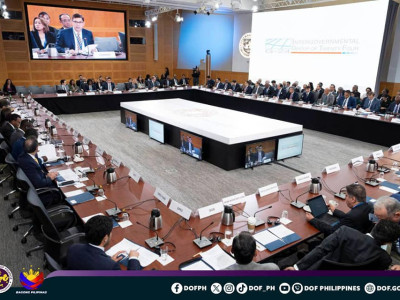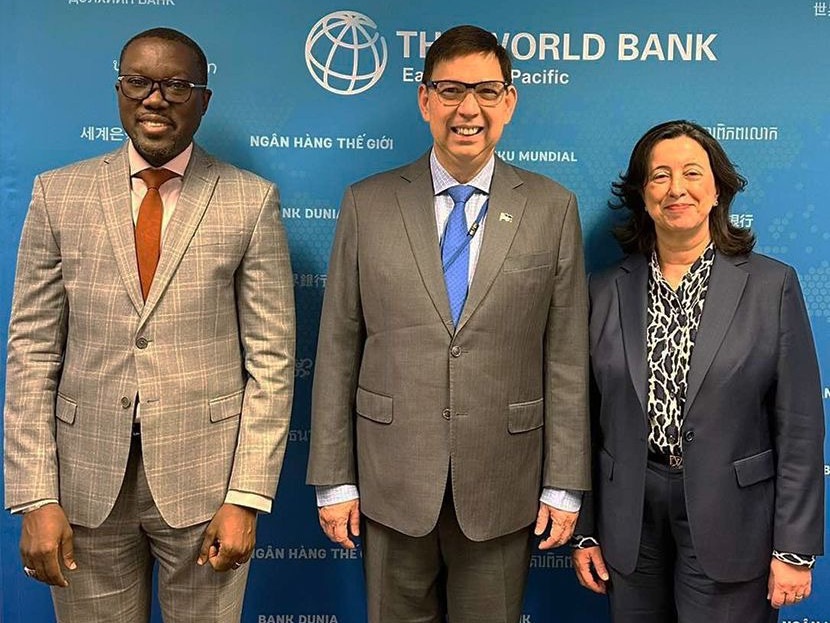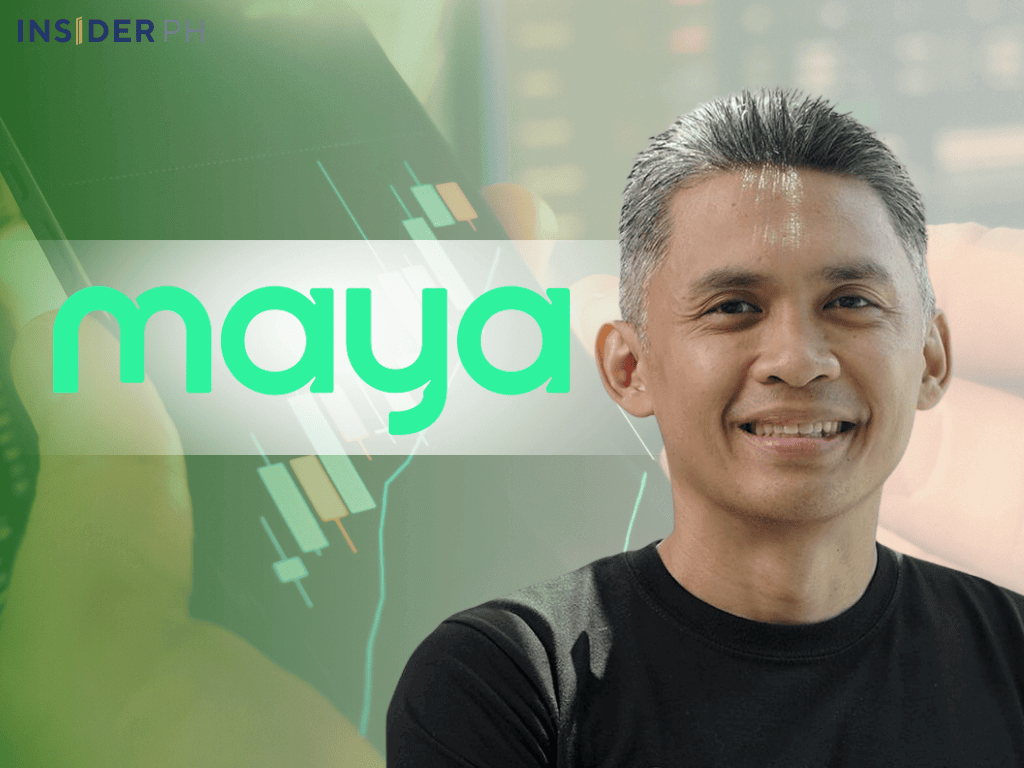
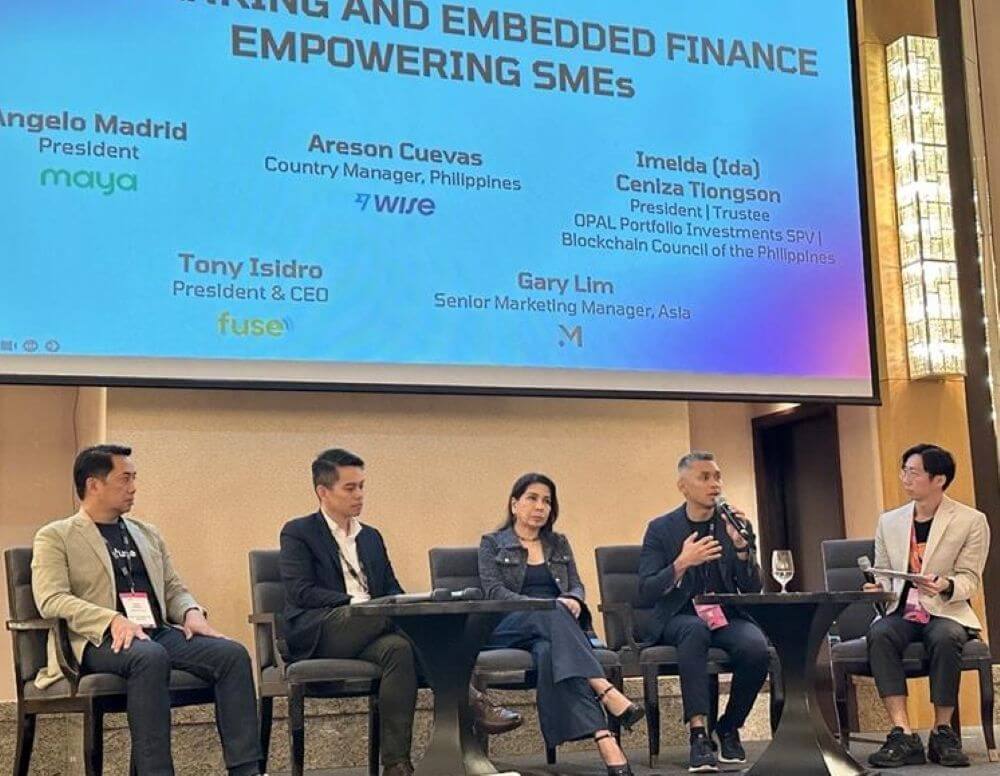
Speaking on a panel titled “Open Banking and Embedded Finance Empowering SMEs,” Madrid underscored how financial services can be delivered more efficiently when they are integrated directly into platforms that businesses already use.
This approach, he said, can help reduce friction, shorten approval timelines, and improve access to capital for small enterprises.
Backbone of economy
“MSMEs are the backbone of the Philippine economy, but many still face challenges when it comes to accessing timely financing,” Madrid said.
“Digital banking plays an important role, but it works best when supported by the right national infrastructure—simpler processes, streamlined requirements, and digitized systems that make it easier for businesses to operate and grow.”
MSMEs account for nearly 99.6 percent of all businesses in the Philippines, employ around two-thirds of the workforce, and contribute roughly 40% of gross domestic product.
Despite their economic importance, access to formal financing remains uneven, often constrained by limited collateral, fragmented records, and lengthy application processes that do not fully reflect how small businesses operate, Maya Bank stressed in a press statement.
Reducing system friction
Madrid emphasized the need for continued progress in national digital infrastructure and enabling policies that lower barriers for MSMEs.
These include simpler business registration, more standardized documentation, and wider use of digital records across government agencies and financial institutions.
He also highlighted the importance of know-your-business (KYB) processes, which allow banks to better verify and understand MSMEs beyond traditional documentation.
According to Madrid, sustained collaboration among regulators, industry players, and government agencies—such as the Bangko Sentral ng Pilipinas (BSP), the Department of Trade and Industry (DTI), and the Securities and Exchange Commission (SEC)—is critical to improving the ease of doing business and expanding credit access.
Embedded finance models
Panel discussions at the summit highlighted how embedded finance—where payments, banking, and credit are integrated directly into business platforms—can help close financing gaps for MSMEs.
By accessing financial services within their everyday operations, small businesses can avoid navigating separate applications or visiting physical branches.
This model enables faster time-to-cash and reduces friction during critical moments, such as inventory restocking or managing seasonal demand, allowing MSMEs to respond more quickly to business needs.
Maya’s ecosystem
Drawing from Maya’s experience serving MSMEs, Madrid shared how embedded finance works in practice through the Maya Business app.
The platform allows MSMEs to accept digital payments, manage funds, and access banking services in a single interface.
AI-powered credit assessment within the ecosystem is informed by actual transaction data and cash-flow activity rather than fixed collateral alone.
This enables working capital to be offered more quickly and in amounts aligned with real business performance, making financing more accessible and practical for small enterprises.
Building foundations first
Madrid noted that progress toward open finance, including secure data-sharing frameworks, can further improve how financial institutions assess MSME needs over time.
However, he stressed that near-term impact depends on strengthening foundational systems and collaboration across government and industry players.
“Improving access to finance isn’t just about new products,” Madrid said. “It’s about making the overall experience simpler and more intuitive—from onboarding and verification to disbursement and daily use.”
The Money20/20 Philippines Summit brings together leaders from banking, payments, fintech, and policy to discuss the future of financial services and how technology can support inclusive and sustainable economic growth. —Ed: Corrie S. Narisma