Insider Spotlight
Why it matters
Ports sit at the center of the country’s supply chain, and MIC is framing the planned stake as both an investment and a national logistics security play, aimed at keeping a lasting government economic interest in infrastructure tied to trade flows.
What they’re saying
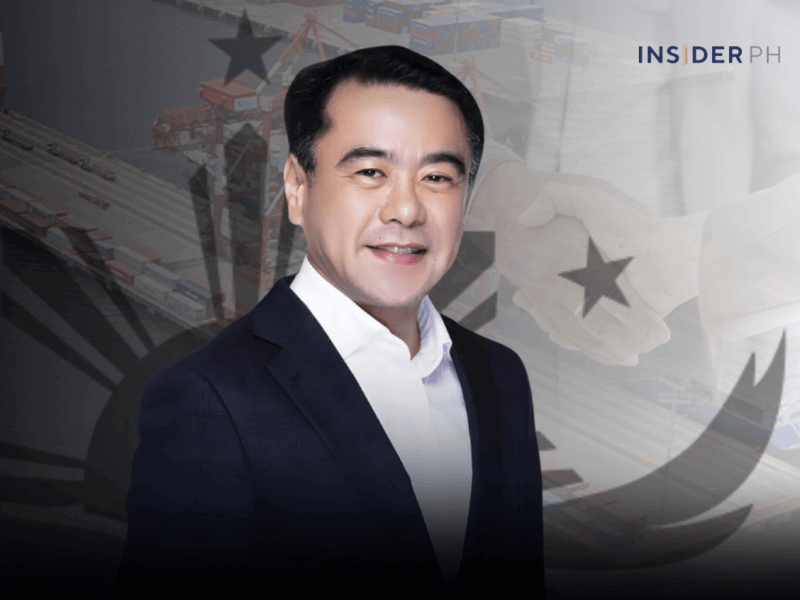
“The port sector is the circulatory system of the Philippine economy. My previous tenure in global logistics has reinforced the conviction that port infrastructure is not merely a business, but a strategic national asset,” MIC president and CEO Rafael Consing said in a statement.
“We are deploying the Fund to capture value from critical utilities that possess high barriers to entry and a direct correlation to the country’s GDP growth,” he said. “This ensures that our portfolio is resilient, cash-generative, and aligned with national progress.”

“Our entry into ATI is a definitive move to anchor these assets within the Philippine financial ecosystem,” Consing added. “By securing our position in this utility, we are enhancing our sovereign capability to generate sustainable wealth, which is inextricably linked to the nation’s long-term economic security.
Between the lines
MIC described the strategy as “sovereign stewardship,” aiming to retain a passive stake as the asset privatizes—while also securing visibility into strategic decisions through minority rights, including up to one board seat.
By the numbers
MIC said it will offer to acquire shares from the public float at P36 per share, with valuations backed by an independent fairness opinion, and that the tender offer and delisting process would create a liquidity event for minority shareholders.
What’s next
MIC emphasized the transaction is a secondary market purchase—meaning proceeds go to selling shareholders rather than ATI—and pitched the timing as “capital efficient” by entering during the delisting process to build an institutional-grade position in a mature utility.
— Daxim L. Lucas