
Insider Spotlight
Why it matters
Cervical cancer screening remains a challenge for many women in the formal workforce, particularly in urban centers where long hours and rigid schedules make clinic visits difficult.
Missed or delayed screening raises the risk of late detection, when treatment options are more limited and costly.
The big picture
Through the expanded Philippines Centralized Laboratory Model for HPV DNA Screening Project, or CLAMS 2, Jhpiego and the Taguig City Health Office are bringing HPV DNA testing directly into workplaces.
Taguig City, the fifth-most populous city in the country and a major economic hub in eastern Metro Manila, offers a strategic environment where public health systems intersect with large private employers.
How it works
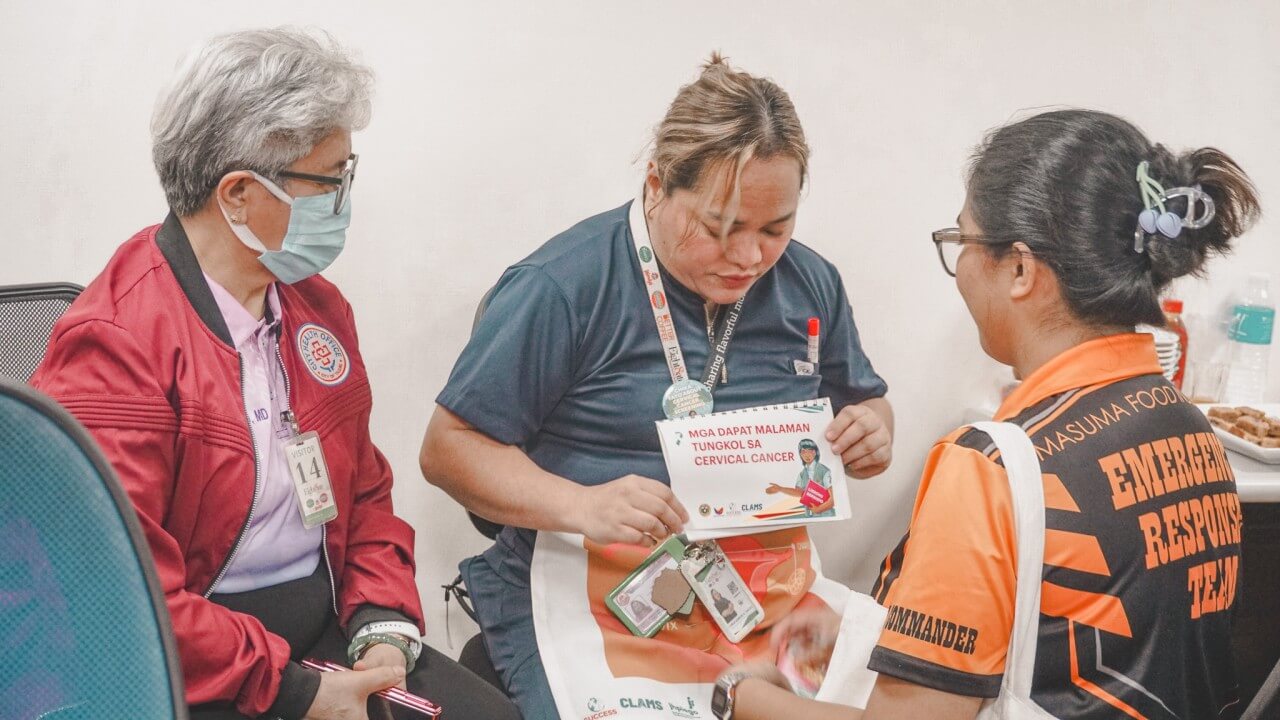
Rather than relying only on external medical teams, the program trains workplace health providers, human resource personnel, and occupational health and safety officers to deliver HPV DNA testing.
Women workers are guided through self-collection in a private and supportive setting, reducing the need to take time off work.
Who’s involved
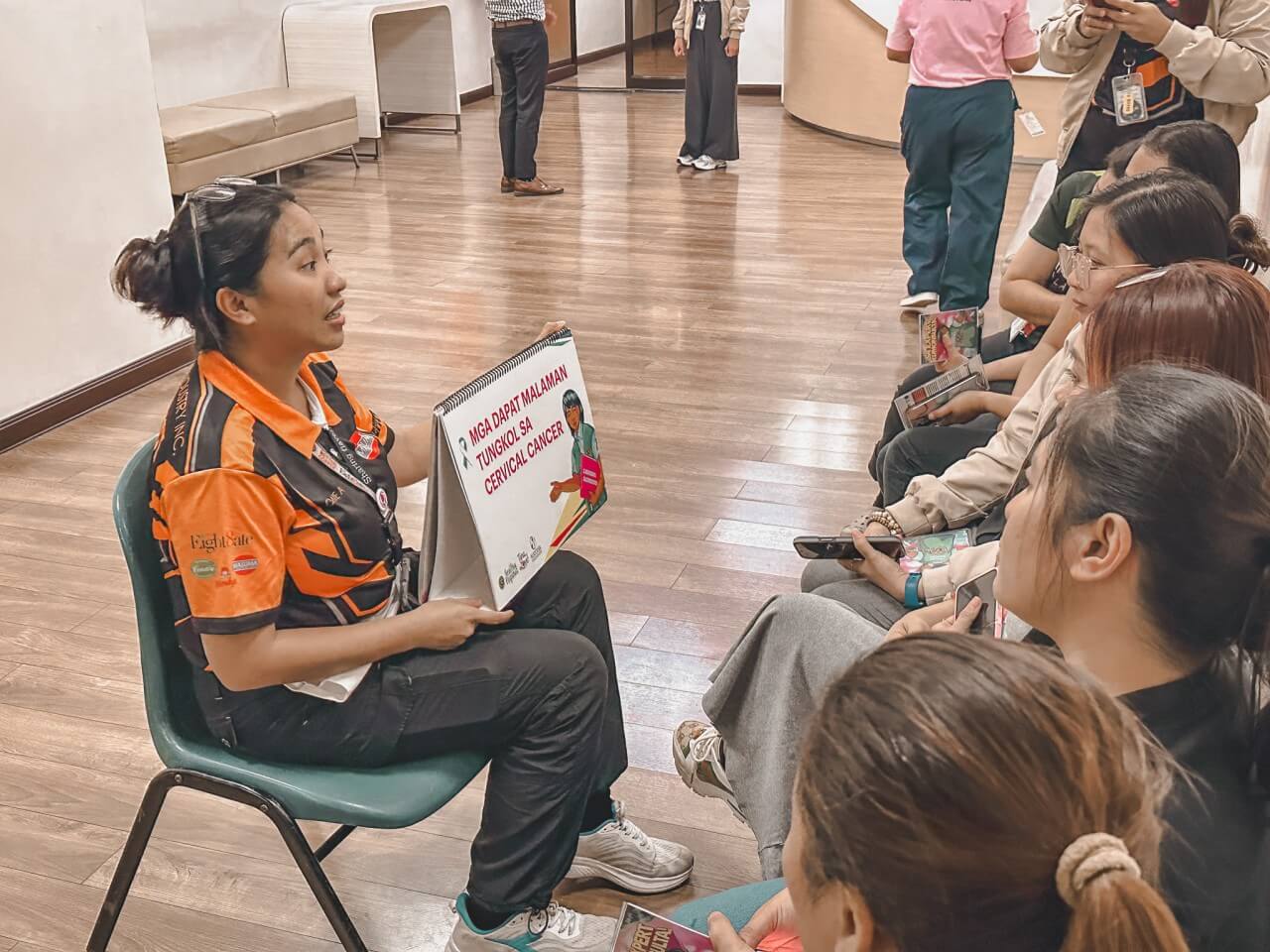
Initial rollouts were conducted at Eight8Ate Holdings Inc., a fast-growing food and restaurant operator, and Team Pacific Corporation, a semiconductor assembly and testing company, both based in Taguig City.
The initiative is implemented with the Taguig City Health Office and the Women Workers for Health Empowerment Network. Program details were shared through a recent company release, reflecting how corporate participation is increasingly framed as part of broader workforce welfare and productivity efforts.
What they’re saying
“When women can access screening in a space where they already feel secure and supported, it reinforces their dignity and their power to make informed decisions about their own bodies,” said Rochelle Porras of the Women Workers for Health Empowerment Network.
From the employer side, Camie Alcoran, Environment, Health, and Safety officer at Eight8Ate Holdings Inc., said, “This approach fits naturally into how we already care for our workforce. Supporting cervical cancer screening in the workplace is a practical way to promote well-being.”
What’s next
Samples collected through the program are processed via the centralized laboratory network under CLAMS 2, ensuring quality and continuity of care. For Jhpiego Philippines, embedding screening into workplace systems is about scale and sustainability.
“By working with local governments, civil society, and employers, we are building a scalable model,” said Dr. Ingrid Magnata, country program manager of Jhpiego Philippines.
As more companies come on board, cervical cancer screening could become a routine part of occupational health practices, helping more women access timely, lifesaving care without sacrificing income or job security. — Princess Daisy C. Ominga | Ed: Corrie S. Narisma