
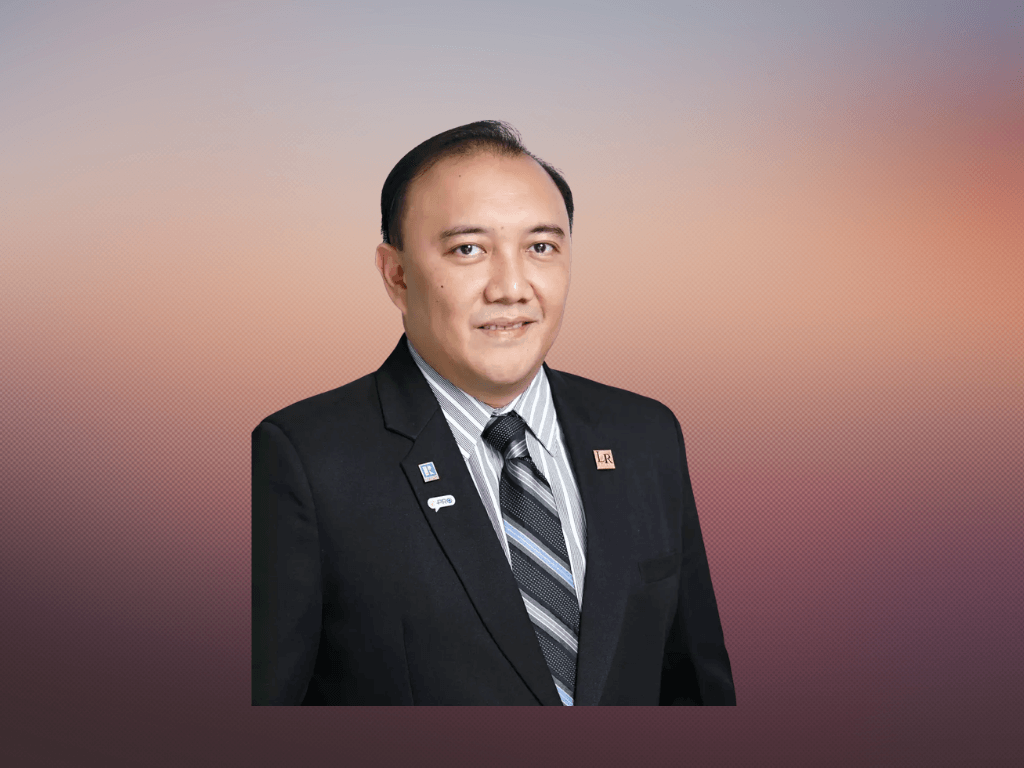
“The situation is becoming increasingly alarming because fewer projects are available for sale,” A Better Real Estate Philippines (ABREP) Movement president Anthony Gerard Leuterio said in a statement.
“Without LTS approvals, developers cannot launch pre-selling projects, limiting housing choices for buyers and slowing the flow of new inventory into the market,” he added.
Leuterio is the founder of Filipino Homes, established in 2008, which has grown into one of the country's largest real estate networks and property listing platforms.
Tight supply for OFWs
Leuterio said more than 10,000 housing units are currently awaiting LTS approval, preventing these projects from being offered to the market and further tightening housing supply.
He said the shortage has become particularly pronounced in the P3-million to P6-million housing segment, a price range popular among OFWs.
With fewer pre-selling projects entering the market, many OFWs are losing access to affordable property investment options.
"Many OFWs want to secure a property early while prices are still lower. What is happening now is that most available units are already near ready-for-occupancy (RFO), which are more expensive," Leuterio said.
He pointed out that most buyers prefer affordable homes and condos while about 10 percent go for bigger units that are pricier.
“Because there are fewer new projects, many OFWs are being deprived of the opportunity to own a house or condominium," he added.
The concerns come amid broader industry challenges, including rising development costs, inflation, high borrowing rates, and increasing regulatory requirements affecting housing projects.
Livelihood affected
Leuterio, who was named the 2024 International Realtor of the Year by the National Association of Realtors, said housing supply constraints have repercussions beyond homebuyers, affecting licensed brokers, accredited salespersons, and independent agents nationwide.
"Most salespersons work on a project basis. They rely on projects with LTS. If there are no new projects to sell, their livelihood is affected," he said, adding that the Accredited Real Estate Salespersons of the Philippines has also raised concerns over the worsening shortage of marketable housing projects.
He warned that prolonged shortages in legitimate project inventory could push some sellers toward informal or unauthorized selling activities.
"We want salespersons to remain legitimate and compliant. The industry needs a balanced housing environment that benefits both OFWs and underprivileged local buyers," Leuterio said.
Regional problem
In a statement released on May 14, the Department of Human Settlements and Urban Development (DHSUD) said the agency deployed senior officials to its 17 regional offices to clear pending applications and assess performance.
Housing Secretary Jose Ramon Aliling said an internal audit found that most pending applications for licenses, certificates and other regulatory transactions were stalled at the regional level.
Aliling said the department's ongoing digitalization program is expected to help sustain efforts to streamline processes and eliminate backlogs.
Consultation
The ABREP also urged government agencies to adopt a more predictable and consultative regulatory approach, particularly for policies affecting housing development and balanced housing compliance.
Leuterio said accelerating LTS approvals would not only increase housing supply but also support the government's flagship Pambansang Pabahay para sa Pilipino (4PH) program.
"When projects move forward, 4PH can also grow because developers are required to allocate portions of their developments for socialized housing," he said.
However, he stressed the need for broader consultations among developers, real estate practitioners, and government agencies before implementing housing policies and compliance requirements to ensure regulations remain practical, responsive, and supportive of housing production.
"The housing backlog remains significant. We need policies that protect buyers while also encouraging developers to build more homes and giving Filipinos more opportunities to own property," Leuterio said. —Ed: Corrie S. Narisma
Contributor