
Inside Spotlight
The latest Workplace Happiness Index: Philippines 2025 by Jobstreet by SEEK found that 76 percent of Gen Z employees were happy at work, compared with 77 percent of millennials and 78 percent of Gen X workers.
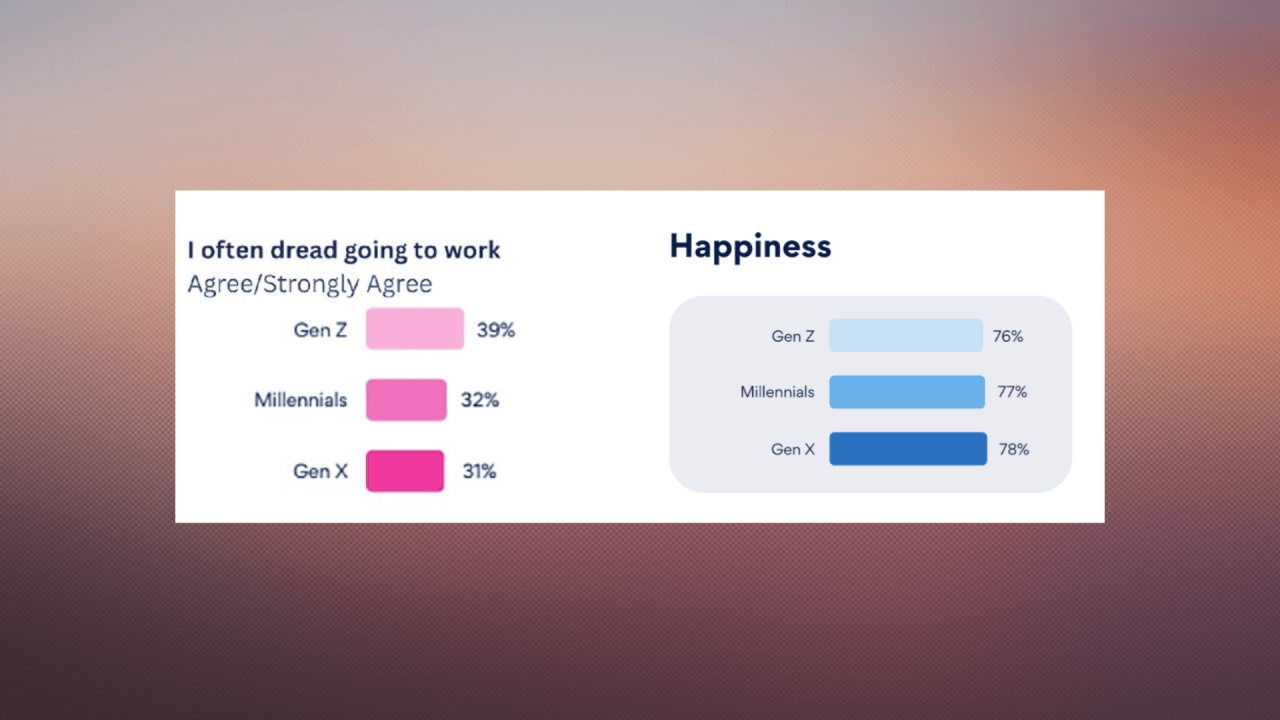
Despite the relatively narrow gap, the report showed a sharper divide in emotional well-being. Nearly four in 10 Gen Z respondents, or 39 percent, said they often dreaded going to work, reflecting higher levels of stress and emotional exhaustion among workers aged 18 to 29.
Purpose matters
For Gen Z employees, workplace happiness was most closely tied to meaningful work, flexibility and personal alignment.
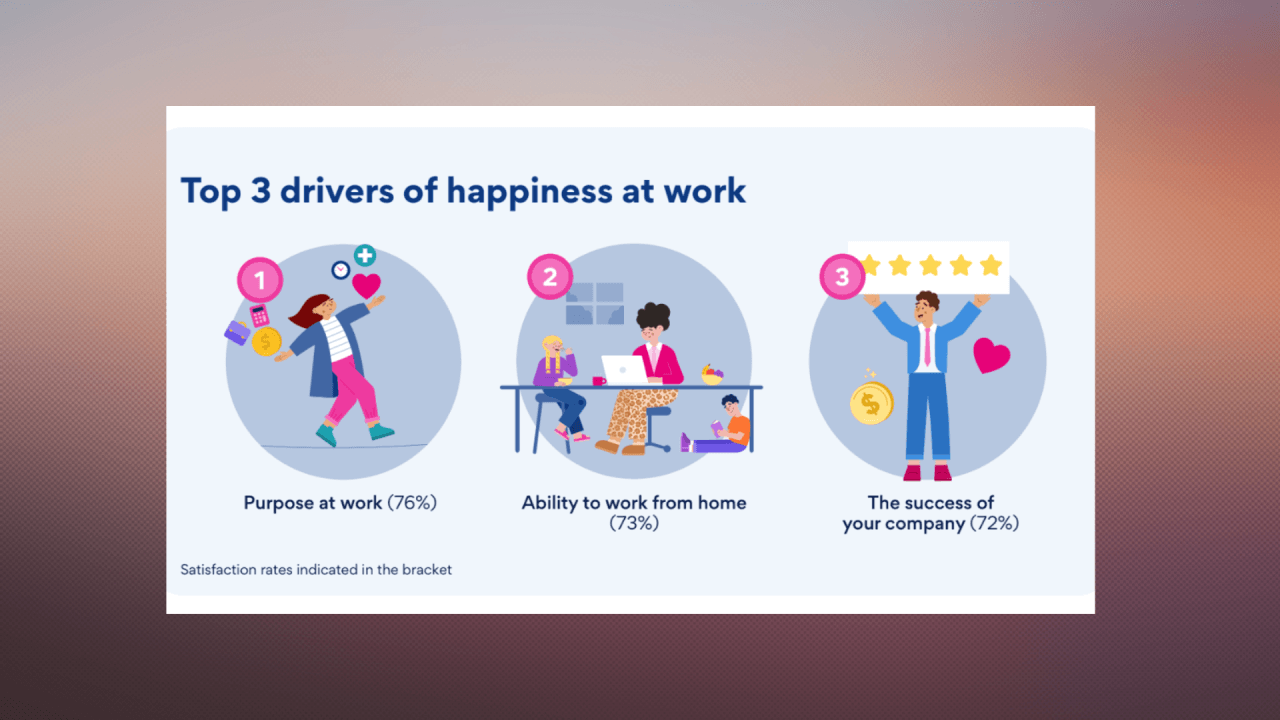
About 76 percent said they were satisfied with the sense of purpose they found in their jobs, while 73 percent expressed satisfaction with work-from-home arrangements. Another 72 percent were satisfied with their company’s success.
The findings suggest that younger workers are looking for jobs that reflect their personal values while giving them greater freedom over how and where they work.
Yet the same employees who placed high value on purpose and autonomy also reported lower satisfaction with workload demands and stress management. This points to a gap between what younger workers expect from the workplace and what many organizations are currently able to provide.
As Gen Z employees remain in the early stages of their careers, they may also face added pressure to establish themselves, meet performance expectations and adapt to rapidly changing work environments.
Culture counts
Millennials aged 30 to 44 placed greater emphasis on workplace relationships, company culture and shared values.
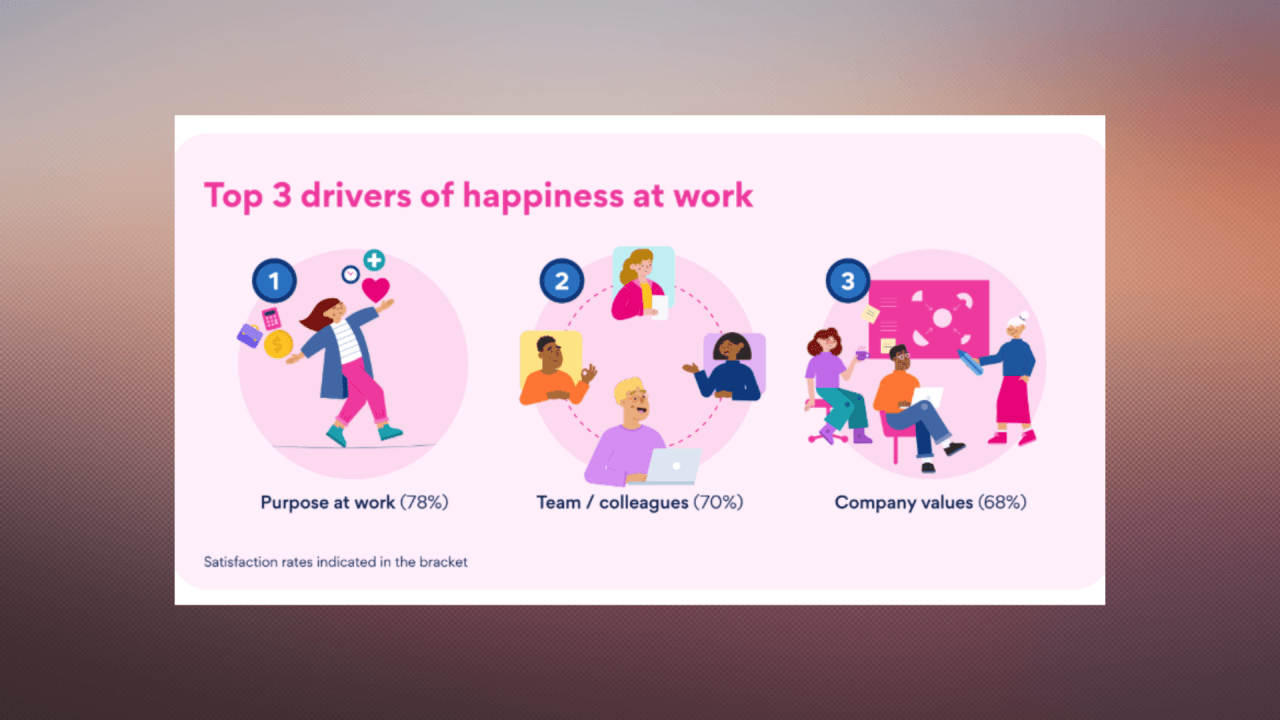
Around 78 percent reported satisfaction with their sense of purpose at work, while 70 percent were satisfied with their teams and colleagues. About 68 percent expressed positive views of their companies’ values.
Jobstreet by SEEK said millennials were more likely than other generations to value supportive teams and positive workplace environments, particularly as many juggle career growth with family and personal responsibilities.
The report also noted that the Philippines’ collectivist culture, which places strong importance on community and relationships, may reinforce the value millennials place on teamwork and workplace belonging.
Career progression and flexibility likewise remained important drivers of satisfaction for this group.
Balance first
For Gen X employees aged 45 to 59, work-life balance and career progression were the strongest contributors to workplace happiness.
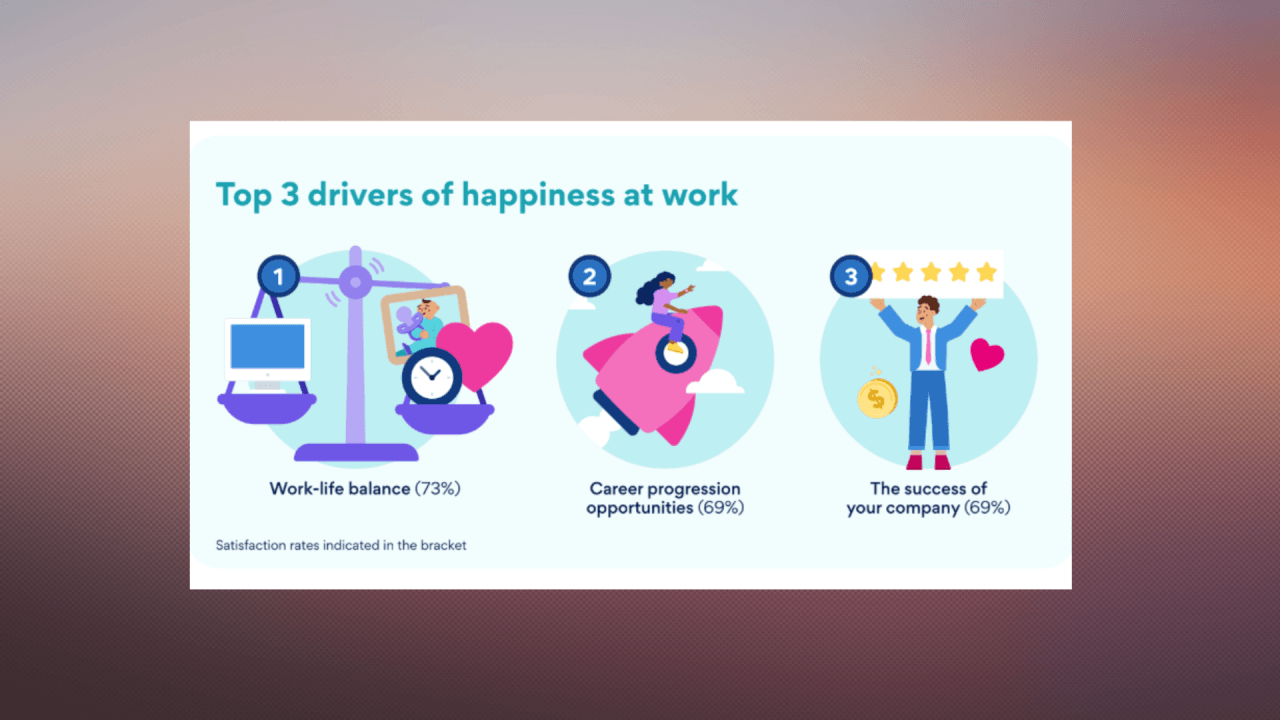
About 73 percent said they were satisfied with their work-life balance, while 69 percent expressed satisfaction with career progression opportunities. The same proportion viewed their company’s success positively.
Compared with younger workers, Gen X employees were more likely to feel fulfilled by their jobs, motivated to go beyond expectations and comfortable being themselves at work.
However, stress and burnout remained concerns even among older employees, with many still reporting exhaustion and dissatisfaction with workplace pressure.
Different Needs
Overall, 77 percent of Filipino workers said they were somewhat or extremely happy at work, placing the Philippines among the happier workforces in the Asia-Pacific region.
Still, the report stressed that workplace happiness is shaped by life stage, career priorities and mental health expectations rather than by a single set of conditions.
“Our findings show that workplace happiness means different things to different generations, but every employee wants to feel that their work has meaning and purpose,” Jobstreet by SEEK in the Philippines managing director Dannah Majarocon said in a statement.
She encouraged employers to avoid one-size-fits-all policies and instead develop workplace strategies that reflect the varying needs of different age groups.
The study surveyed Filipino workers aged 18 to 64 nationwide from October to November 2025 across industries, career levels and generational groups. —Ed: Corrie S. Narisma