Insider Spotlight
The initiative, unveiled last week, will match real-world challenges in fisheries with available green technologies from both local and international sources, while facilitating partnerships to support adoption and scaling.
Why it matters
The Philippines’ heavy reliance on marine resources for food and livelihoods makes fisheries a critical pressure point in the climate crisis. By focusing on this sector, the project seeks to deliver practical solutions that can improve resilience while safeguarding economic activity.
The big picture
WIPO selected fisheries due to the country’s archipelagic nature and vulnerability to environmental shifts.
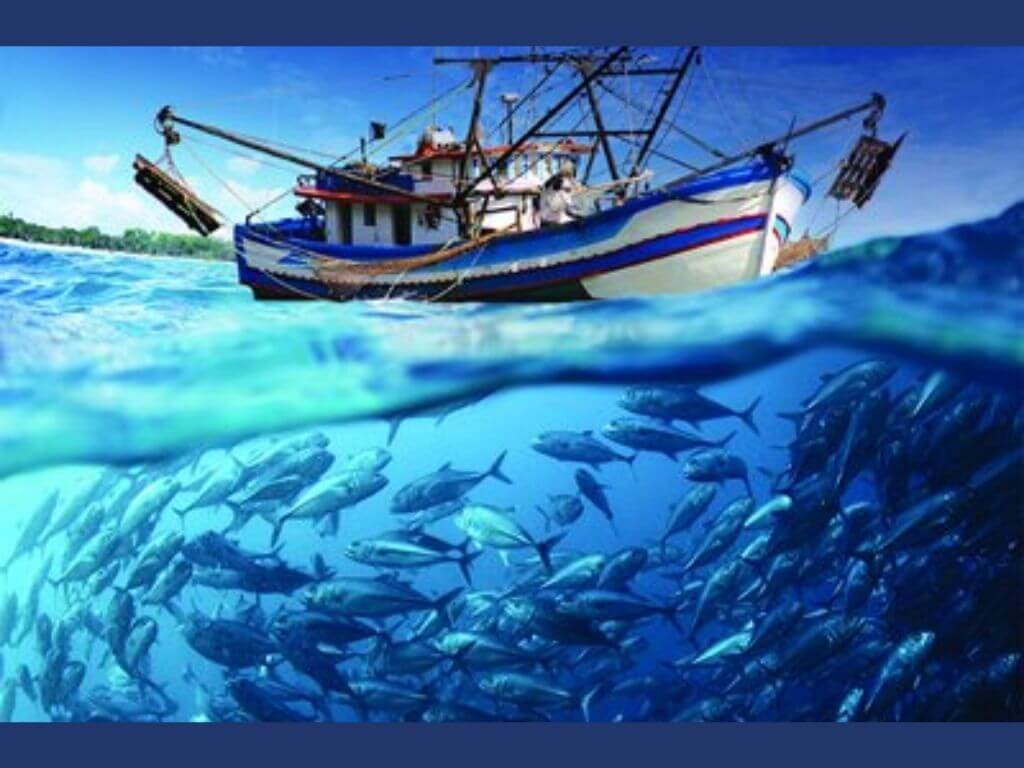
The program will cover commercial and municipal fishing as well as aquaculture, exploring innovations such as climate-resilient fishing methods, improved by-catch monitoring, early warning systems, and traceability tools.
The initiative will also utilize WIPO GREEN, a global platform that connects technology providers with seekers, effectively acting as a marketplace for climate-focused innovations.
What they’re saying
“For the Philippines, this initiative is both timely and vital. As a country highly vulnerable to climate change, we recognize that innovation must be at the heart of our actions if we are to respond to the urgent needs of our people and the planet,” Nathaniel S. Arevalo, acting director general of IPOPHL, said in a press statement.
“Through this project, we aim to strengthen technology transfer, support Filipino innovators, and promote sustainable solutions that will enhance our resilience,” Arevalo said.“We call on stakeholders to actively engage with us in sharing technologies, identifying needs in the coastal communities, and forging partnerships that will translate innovation into real-world impact,” he added.
What’s next
The project is funded through the Japan Patent Office and will be implemented with support from Eco-Innovation Consultancy Inc., which will work directly with coastal communities to identify needs and match them with solutions.
By end-2026, the program aims to deliver not just technology matches but also insights into barriers and opportunities for green innovation deployment nationwide. —Vanessa Hidalgo | Ed: Corrie S. Narisma