Headline inflation accelerated sharply to 7.2 percent in April from 4.1 percent in March. Core inflation also rose to 3.9 percent from 3.2 percent.
Key drivers
The surge was largely driven by higher energy and food prices. Transport costs soared 21.4 percent year-on-year amid ongoing geopolitical tensions in the Middle East, which have pushed global oil prices upward.
Housing-related utilities also recorded sharp increases, reflecting elevated energy costs. Meanwhile, food inflation picked up pace, led by rice, fish, and vegetables.
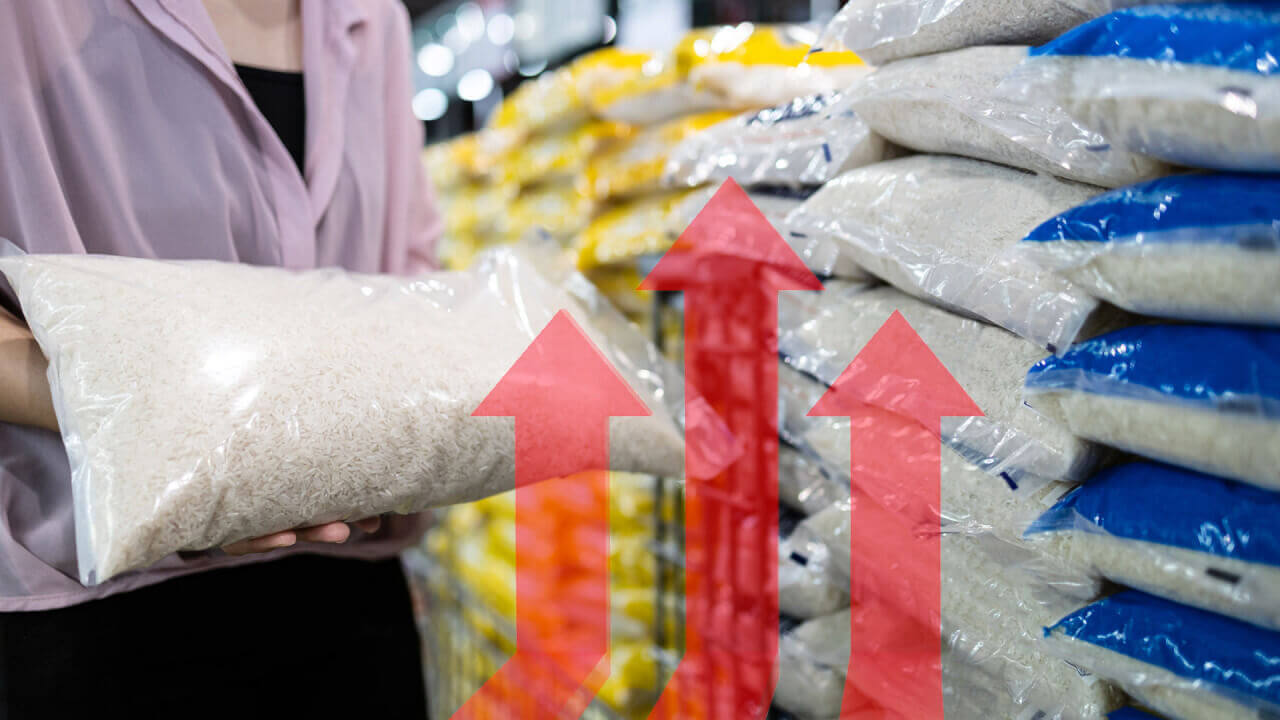
Rice prices rose 6.4 percent month-on-month and 13.7 percent year-on-year, surpassing previous peaks seen during the El Niño-driven supply disruptions in 2024.
Contained pressures
Despite the spike in headline inflation, core inflation remains below 4 percent, suggesting that price pressures have yet to fully spread across the broader consumer basket.
However, BPI lead economist Emilio S. Neri Jr. warned that second-round effects are beginning to build, particularly as higher fuel costs could trigger wage adjustments and transport fare hikes, potentially feeding into broader price increases.
“The full impact of elevated oil prices has not yet materialized,” he noted in his analysis, pointing to risks that inflation could become more entrenched in the coming months.
Rising risks
The inflation outlook remains uncertain and heavily dependent on external factors, particularly the duration of the Middle East conflict.
Current projections suggest inflation may continue to climb and could even reach double-digit levels by the fourth quarter if oil prices remain elevated, Neri said.
Adding to the risk is the potential return of El Niño in the second half of the year, which could further disrupt agricultural output and push food prices higher, with spillover effects possibly extending into early 2027.
Policy response
The latest inflation reading, which exceeded both market and Bangko Sentral ng Pilipinas’ (BSP) forecasts, has increased the likelihood of an off-cycle rate hike, even before the central bank’s next scheduled policy meeting.
Analysts say the BSP may need to deliver larger-than-usual rate hikes to prevent inflation expectations from becoming unanchored and to support the peso.
Delaying action could widen the gap between inflation and policy rates, resulting in negative real interest rates that may weaken the currency and trigger capital outflows.
Economic trade-offs
While tighter monetary policy could dampen economic growth by raising borrowing costs, Neri said the long-term damage from persistently high inflation could be more severe.
A more forceful policy response may also help preserve foreign reserves and maintain investor confidence, especially as rising inflation erodes returns on local assets. —Ed: Corrie S. Narisma