
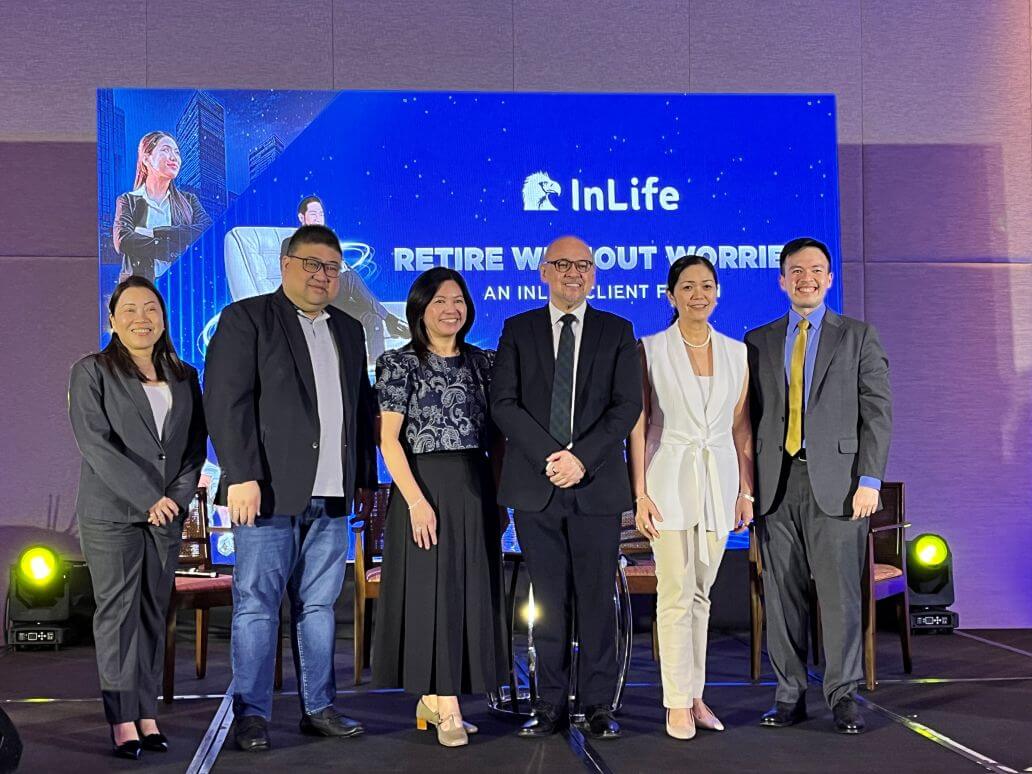
At a forum held at the Radisson Blu Hotel Cebu, Insular Life (InLife) unveiled its Retirement Index, a comprehensive measure of how prepared Filipinos are for retirement. The findings revealed a score of just 47 out of 100, pointing to gaps in financial, health, and social readiness.
The InLife Retirement Index evaluates preparedness based on six factors: life stage, personal finances, health, pension participation, retirement sentiment, and social support.
Reality check
Among the key findings is a clear generational gap. Generation X recorded the highest score at 54, reflecting more stable income levels and greater financial responsibilities.
In contrast, Generation Z scored the lowest at 36, indicating limited preparedness despite expressing awareness of future planning.
The study also highlighted a gender divide. Men posted a slightly higher readiness score of 49 compared to women at 45, largely due to higher participation in formal employment and investment opportunities.
Health also emerged as a critical factor. Respondents with higher scores were more financially prepared for medical emergencies, which can significantly deplete retirement funds. With chronic illnesses becoming more common with age, the study underscored the need for dedicated health funds.
Another concern is the growing number of Filipinos in the informal and gig economy. Without access to state-backed pension systems such as the Social Security System (SSS) or Government Service Insurance System (GSIS), many workers face increased vulnerability in retirement.
Beyond finances
InLife strategic marketing and brand experience head Abigail A. Magtibay emphasized that retirement planning goes beyond financial savings.
“Retirement is not just about the money. We must not look at it as a financial finish line. We have to consider health, social support, and emotional engagement,” she said.
Magtibay noted that many Filipinos are unable to define when they plan to retire, often due to ongoing financial responsibilities for family members. She encouraged individuals to start conversations with their families and take practical steps toward planning.
Common pitfalls
Financial expert Rex Mendoza, chair of Rampver Financials, pointed out three common misconceptions about retirement.
First, many underestimate life expectancy. “People expect they won’t live that long,” he said, noting that longer lifespans require more extensive financial preparation.
Second, retirees often assume they will spend less. However, expenses related to travel, leisure, or supporting family members can persist or even increase.
Third, some believe they can continue working after retirement. Mendoza cautioned that only about one-third of retirees are able to find employment, as companies tend to favor younger workers.
Planning ahead
Prior to the index release, InLife published a white paper titled “Retire Without Worries: Your Roadmap to Living Life to the Fullest.”
The paper emphasized the need for proactive retirement planning amid rising healthcare costs, longer life expectancy, and shifting family dynamics.
It also stressed that relying solely on government pensions is no longer sufficient. Instead, individuals must create sustainable “lifelong income” streams to maintain financial independence in retirement.
New solutions
To address these gaps, InLife introduced retirement-focused insurance products designed to provide stable income during retirement.
One of these is InLife Retire Assure, which offers monthly income from age 60 up to 100, with potential growth through dividends. Unlike traditional lump-sum payouts, the product provides a steady income stream similar to a paycheck.
The plan allows individuals to save over a defined period, ensuring disciplined financial preparation. It also includes a life insurance component, providing benefits to beneficiaries upon the policyholder’s death.
Another product, InLife Retire Assure 2, targets professionals aged 48 to 73. This option allows funding in just two annual payments while still ensuring lifetime monthly income, helping shield retirement funds from market volatility.
Know your number
InLife chief product and innovation officer Jose Eduardo O. Ang urged Filipinos to determine their “magic number” or the amount needed for a comfortable retirement.
“Your financial advisor can help you plan your monthly expenses when you retire. You may also use online tools such as retirement calculators to guide your preparation,” he said.
With a national score of 47 out of 100, the message from the study is clear: retirement readiness in the Philippines remains a work in progress, requiring not just savings, but a holistic approach that includes health, planning, and long-term financial discipline.---Ed: Corrie S. Narisma