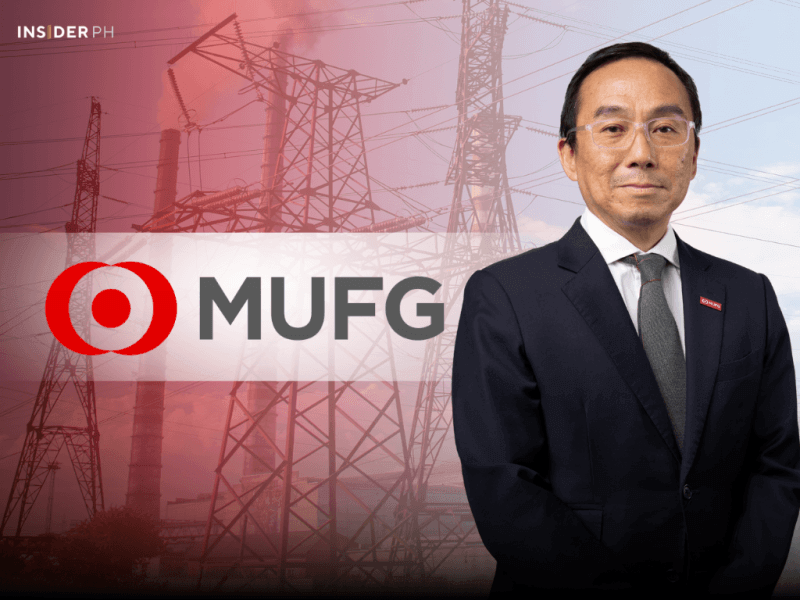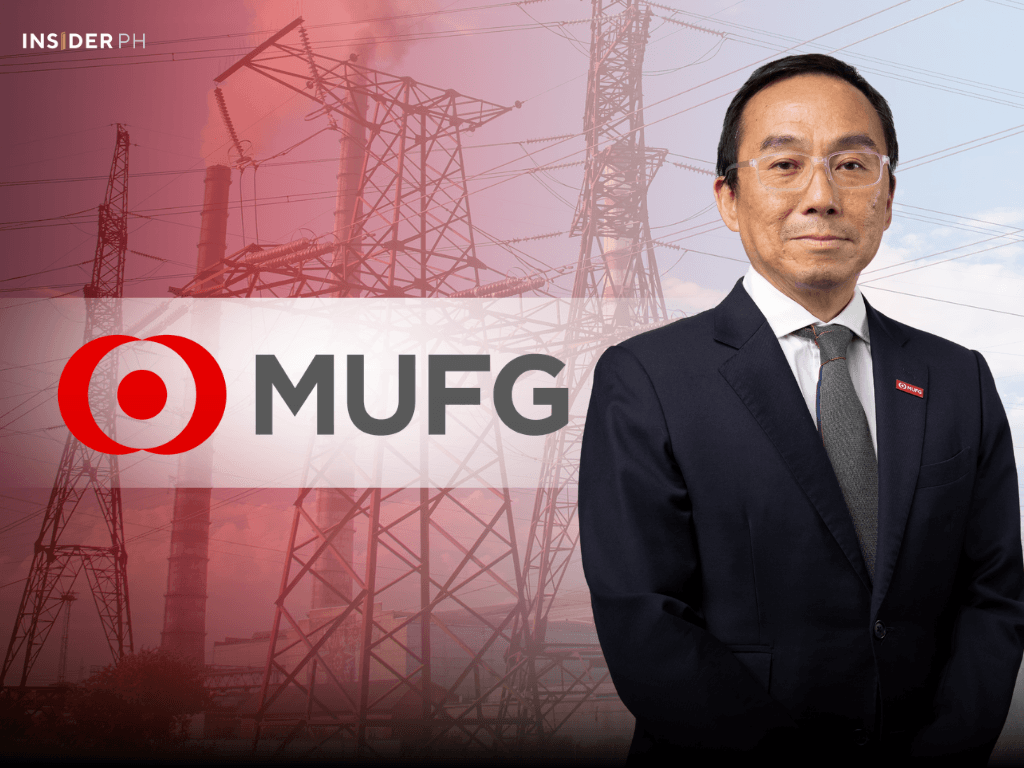
Speaking at an intimate media roundtable, MUFG director and sustainable finance head Colin Chen said the energy transition will be one of the key drivers of infrastructure projects and government policymaking over the next decade.
“I believe this is the transition story and why I think that that is the key driver for projects and for government thinking in the next 10 years,” Chen said.
Coal remains cheap — but not cost-free
The Philippines already has a diversified energy mix, with coal, gas and geothermal power as among the major sources.
Chen noted that while the country is a major geothermal producer, this alone will not be enough to meet the broader challenge of shifting to a cleaner, more secure and more sustainable energy system.
“But that’s not enough. It needs the whole solution,” he said.
Coal, he added, remains difficult to displace because it is still widely viewed as cheap and reliable. However, Chen said assessing energy options based only on immediate electricity costs overlooks the broader economic, environmental and social costs of continued dependence on fossil fuels.
“The problem with that is it is a sliver of time that you look at now: how many cents per kilowatt hour,” Chen said. “But if you look at it over time… people are now thinking about the whole cost.”
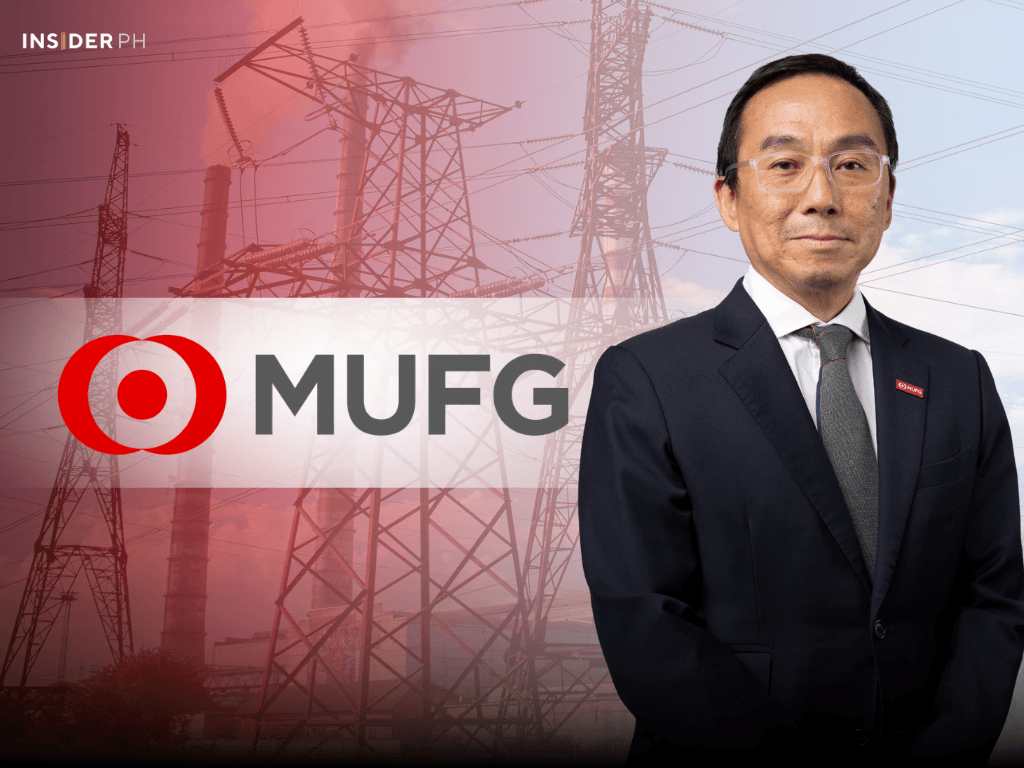
Government must price in the bigger costs
That broader cost includes public health, institutional capacity and the long-term consequences of policy decisions, he said. These are costs that may not be easily reflected in electricity tariffs, but still need to be accounted for in national planning.
“Not just the cost per kilowatt hour, but the cost of people’s health,” Chen said.
This is where the government becomes central to the energy transition, he added. Private lenders and investors can finance projects, but they cannot on their own assign value to social costs, set market rules or create the policy conditions needed to accelerate the shift.
“If you have good health, how do you measure that in terms of kilowatt hour cost? You cannot do that. Only the government can do that,” Chen said.
“And that’s why the engagement of the government is required. The rules drive that,” he added.
Financing depends on policy certainty
Chen’s remarks underscore a core challenge for the Philippines: the energy transition is not only a financing problem. It is also a governance problem.
Renewable energy projects need capital, but they also need clear rules, viable pricing, supportive institutions and infrastructure that can accommodate new generation projects.
For lenders, these factors determine whether projects are bankable. For the country, they determine whether the energy transition can happen at the speed required.
Energy security adds urgency
Chen said the Philippines will also need to think harder about self-reliance, particularly because of its dependence on imported fuel.
“For a country like the Philippines, which has a requirement for energy imports, in terms of fuel, you will have to start thinking, ‘what do I need to secure that?’” he said.
This puts renewable energy and related infrastructure in a broader strategic frame. The transition is not merely about climate goals. It is also about energy security, resilience and reducing exposure to imported fuel volatility.
Chen also pointed to rising electricity demand from artificial intelligence as another factor that could shape energy planning.
“The vast amounts of power required for AI, that is also going to drive it,” he said.
MUFG’s role: Enabling sustainable finance
MUFG's role, Chen said, is not to act as a project developer or equity investor, but to facilitate financing for sustainable infrastructure and energy projects. These may include green bonds and sustainability-linked loans.
“We are not a developer. We don’t generally hold equity. But we can enable all these transactions to happen,” he said.
He said MUFG assesses transactions through a sustainable finance lens, ensuring that deals meet the bank’s sustainability requirements.
Policy must lead capital
For the Philippines, the message from the financing side is clear: capital can be mobilized, but policy must lead.
The government’s ability to set rules, price in long-term costs, strengthen institutions and support energy infrastructure will determine whether the country’s transition gains momentum or remains constrained by the near-term appeal of coal.
The opportunity, Chen said, is significant. But unlocking it will require a whole-system approach, with the government taking the lead in shaping the market that lenders and developers can then support. —Ramon C. Nocon| Ed: Corrie S. Narisma