Insider Spotlight
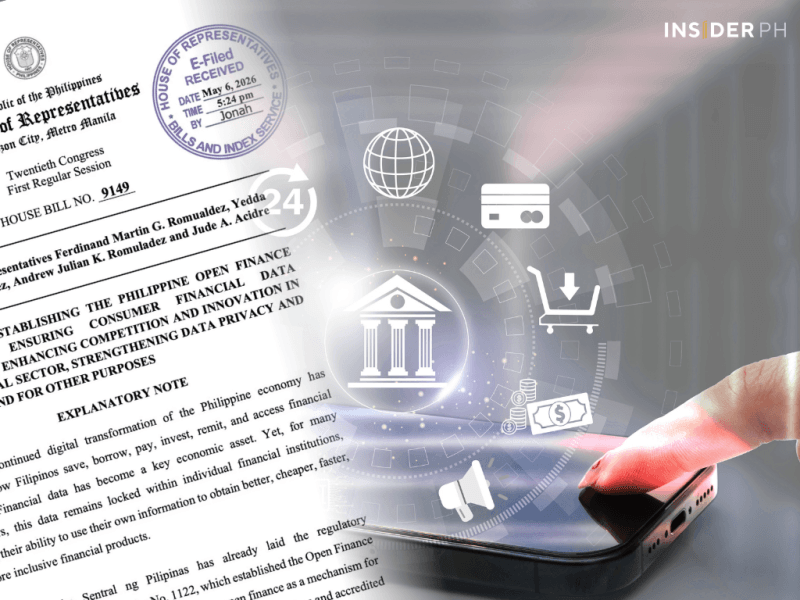
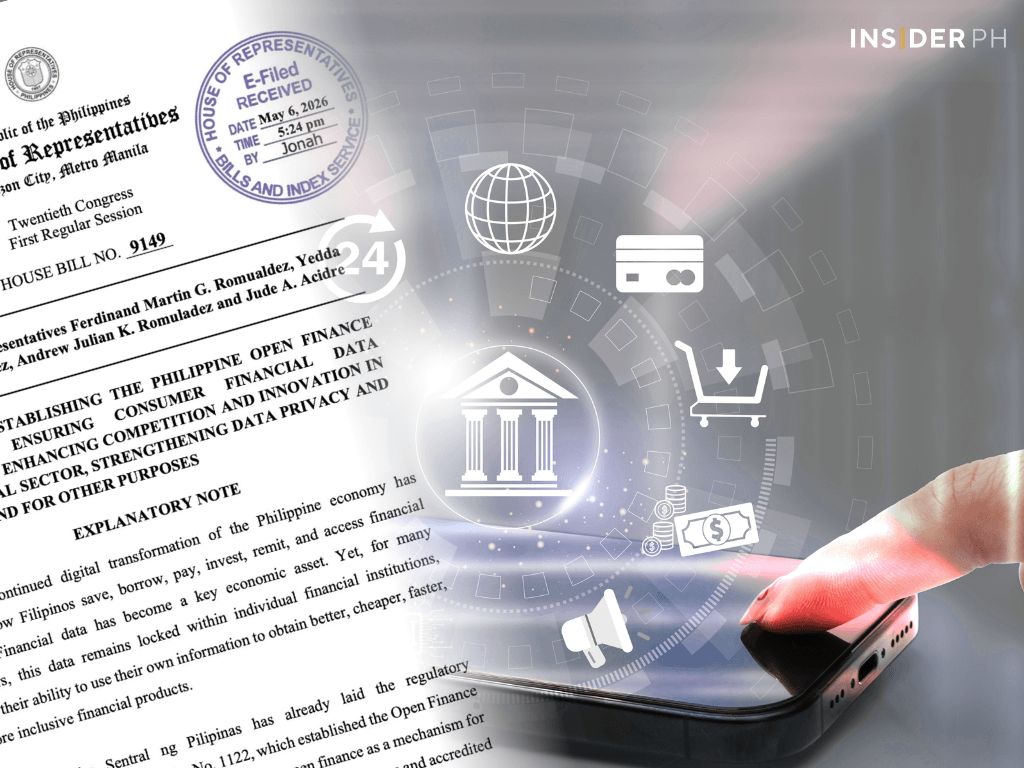
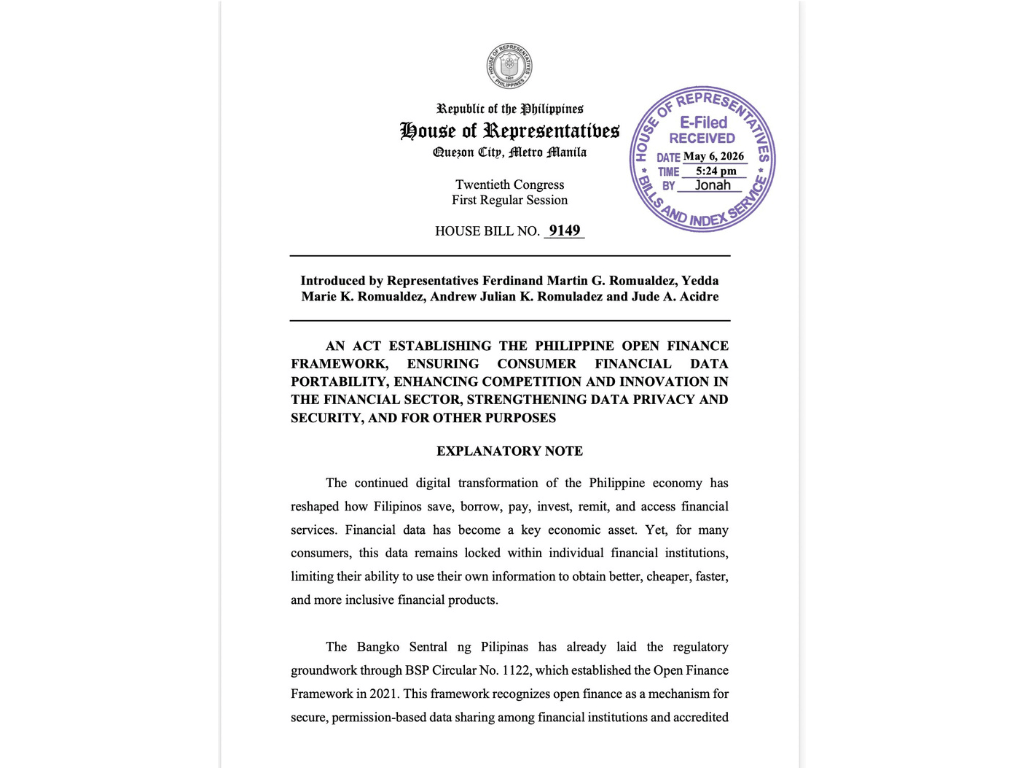
House Bill No. 9149, or the Open Finance and Consumer Data Empowerment Act of 2025, seeks to bridge the gap between how Filipinos participate in the digital economy and how financial institutions traditionally evaluate borrowers. The measure would give consumers the legal right to authorize the transfer of their financial and transactional data to accredited lenders and financial service providers for credit assessment.
The big picture
Consumers could authorize the sharing of up to 24 months of transaction records, including alternative data such as utility bill payments, subscription activity, rewards card usage, and other digital payment histories. Supporters say this would benefit borrowers with little or no traditional credit history, such as those without bank loans, credit cards, or deposit accounts.
“The digital economy has outpaced our regulatory infrastructure. Filipinos are generating rich financial data every day through their phones, their e-wallets, and their utility payments. We aim to leverage that data to democratize access to financial tools and services that have long been unavailable for millions,” Tingog Party-list co-author Jude Acidre said.
Why it matters
Digital payments accounted for 57.4 percent of all retail payment transactions in the Philippines in 2024, while an estimated 58 million Filipinos use e-wallets. Despite this, many consumers remain underserved by the formal financial system.
“Open Finance legislation matters because it accomplishes two things at once: it directly expands financial access for consumers, and it opens new markets for industry to competitively serve customers the system has ignored,” Fintech Alliance Philippines board of trustee Todd Schweitzer said.
Schweitzer added that Filipinos already generate rich financial data outside the banking system but lack the legal framework to use it for credit evaluation.
What’s next
The bill also proposes creating a Consumer Data Commission under the Office of the President. Chaired by a Securities and Exchange Commission commissioner and co-led by at least a Bangko Sentral ng Pilipinas deputy governor, the body would include representatives from key regulators and the private sector.
Its mandate would include setting technical and security standards for data sharing, accrediting authorized data recipients, conducting compliance audits, enforcing sanctions, submitting annual reports to Congress, and reviewing the law every two years. —Daxim L. Lucas| Ed: Corrie S. Narisma