Insider Spotlight
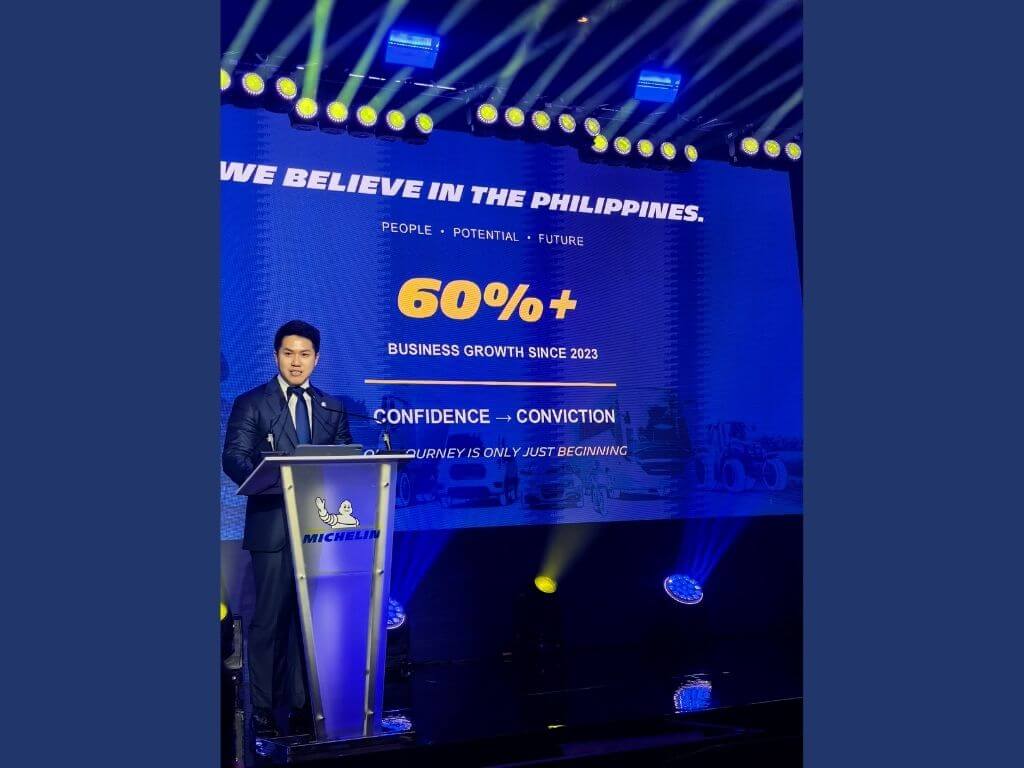
The global tiremaker is extending its business into commercial and industrial applications, targeting areas including transportation and logistics, construction, agriculture, mining and defense, as it seeks a broader role in the Philippine economy.
Technology into productivity
Michelin sees these industries as an opportunity to translate its technology into productivity, safety and sustainability gains while reducing its reliance on the passenger-car market.
“Our strategy is to go beyond the passenger car. Again, to serve segments that in our view are underserved today, which are more of the industrial applications and commercial applications in transportation and logistics. The Michelin products will bring productivity, improvements, safety as well as sustainability to these industries,” Michelin Philippines managing director Jonathan Khong said during the media launch.
Building the network
Michelin is pairing that broader market push by adding specialized distributors to its ecosystem.
Bermaz Auto Philippines brings dealer operations, after-sales service and customer engagement capabilities to passenger vehicles, while BSB Junrose brings experience with commercial transportation, fleet operators and industrial customers.
In addition, Icon Equipment Solutions Philippines adds expertise in construction, mining, ports, agriculture, defense and other industrial applications.
Preparing for e-mobility
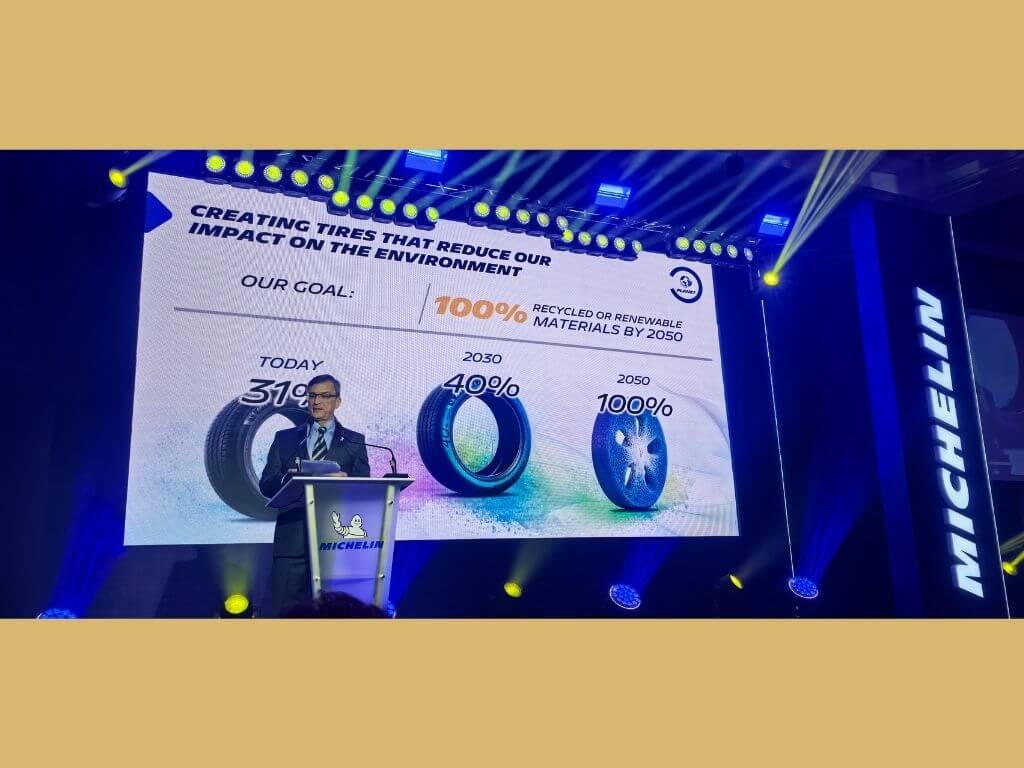
Khong said Michelin’s entire tire portfolio, including BFGoodrich tires, is already customized for the use of electric vehicles.
Electric vehicles are typically heavier and therefore place greater demands on tires, requiring technology designed to cope with those additional stresses. Michelin sees its existing tire technology as positioning the company to address the country's gradual shift toward electric mobility.
The bigger picture
The 130-year-old brand has been driven by its deep knowledge of polymer composites. Now, the group aims to leverage its expertise beyond mobility to serve markets with high-technological potential, including general industry, aerospace, energy and health care.
“For Michelin, the opportunity to make a bigger impact on mobility in the Philippines has never been greater. And when we talk about mobility, we are talking about much more than vehicles. We are talking about the movement of people, the movement of goods, the development of infrastructure and the industries that support economic growth,” Khong added.

Beyond tires
The Michelin Guide's entry into the Philippine restaurant scene also gave the company another way to build familiarity with its brand.
Khong added that the Michelin Guide boosted interest in Philippine tourism, local businesses and the culinary scene while raising the country’s international profile. The restaurant guide, he said, also strengthened its brand beyond mobility and reinforced its long-term confidence in the Philippine market.
Global sourcing model
Michelin's global sourcing model could also create an opening for Philippine rubber as a raw-material source.
“We are always open to looking at different sources of importation for our raw material. And in fact, we have a global sourcing strategy. We don't source only from specific countries and definitely something that we can be open to,” he said. —Vanessa Hidalgo| Ed: Corrie S. Narisma