Insider Spotlight
The East Zone concession covers the 24 cities and municipalities in Metro Manila and Rizal. These include Makati, Mandaluyong, Marikina, Pasig, San Juan, Taguig, Pateros and portions of Quezon City and Manila, as well as the municipalities and cities of Rizal, including Antipolo, Taytay, Cainta, Angono, Binangonan, Rodriguez, San Mateo, Jala-Jala, Baras, Tanay, Morong, Pililla, Teresa and Cardona.
The big picture
For decades, Metro Manila relied on Angat Dam for more than 90 percent of its water supply, leaving the capital vulnerable whenever prolonged dry conditions pushed reservoir levels to critical lows.
During the 2010 El Niño, Angat Dam dropped to around 157.56 meters, forcing water allocation cuts of as much as 30 percent and widespread service interruptions. Manila Water's production then stood at 1,325 million liters per day (MLD), with limited ability to offset shortages because of its dependence on a single source.
The situation remained challenging during the 2015–2016 El Niño despite operational improvements, as supply largely continued to rely on Angat Dam. Manila Water produced 1,479 MLD at the time, while authorities implemented contingency measures to manage tight supply.

Why it matters
The 2019 water crisis became a watershed moment after El Niño conditions, coupled with critically low water levels at Angat Dam and La Mesa Reservoir, exposed the limitations of the existing supply system. Despite producing 1,465 MLD, Manila Water said insufficient alternative sources constrained its ability to maintain continuous service.
Today, the company said its total production capacity has increased to 1,730 MLD through a diversified portfolio that includes Angat Dam, the Cardona Water Treatment Plant, East Bay Water Treatment Plant Phase 1 and the Calawis Treatment Plant supplied by Tayabasan Weir.
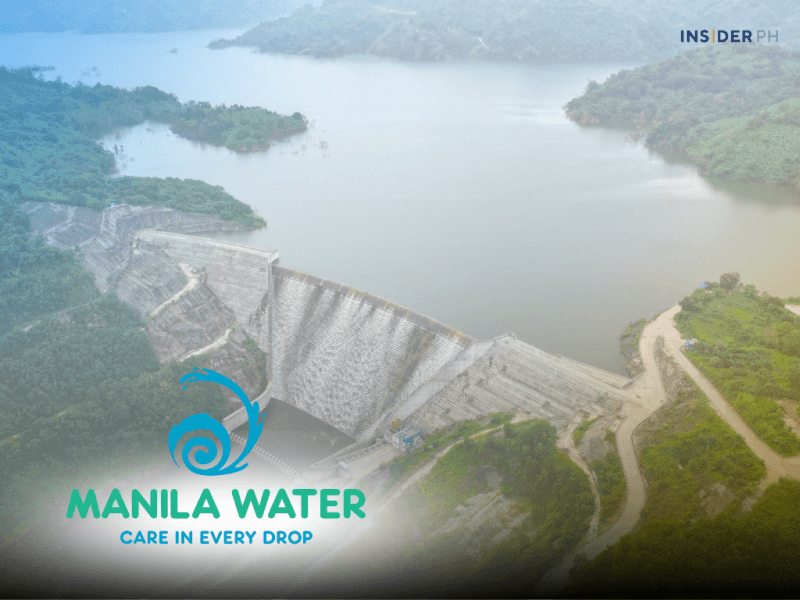
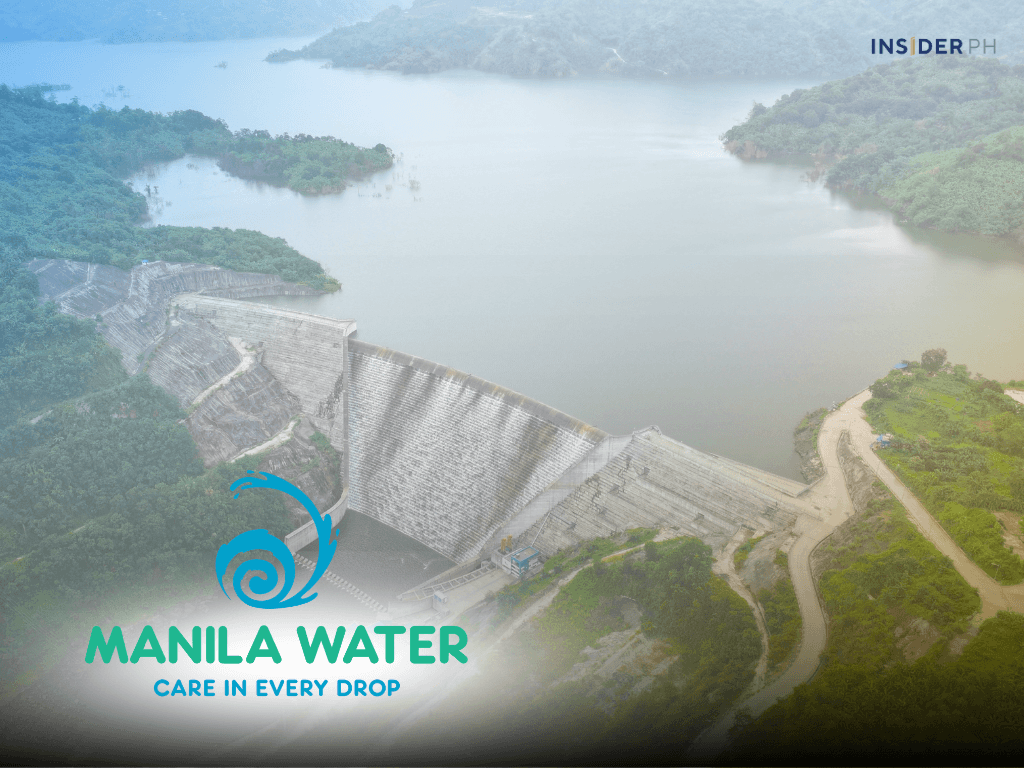
Among these projects, the Upper Wawa Dam has emerged as the company's flagship alternative source, serving as a dedicated buffer supply capable of delivering up to 710 MLD. The facility has also augmented supply to the Calawis Water Treatment Plant when water levels at Tayabasan Weir declined during recent summer months.
What’s next
"With the integration of the Upper Wawa Dam and the expansion of our distribution capacity, we are now better equipped to protect our customers from severe supply disruptions even during El Niño. From a system with no alternative sources in the past, we have built a more secure and resilient water supply network designed for today's challenges," Manila Water chief operating officer for East Zone Arnold Jether Mortera said.
Looking ahead, Manila Water is set to commission the 220-MLD Kaysakat Water Treatment Plant in Antipolo City, which will source water from the Upper Wawa Dam, and the 200-MLD East Bay Water Treatment Plant Phase 2, further strengthening water security for its East Zone customers even during extended periods of drought. —Ramon C. Nocon | Ed: Corrie S. Narisma