Insider Spotlight
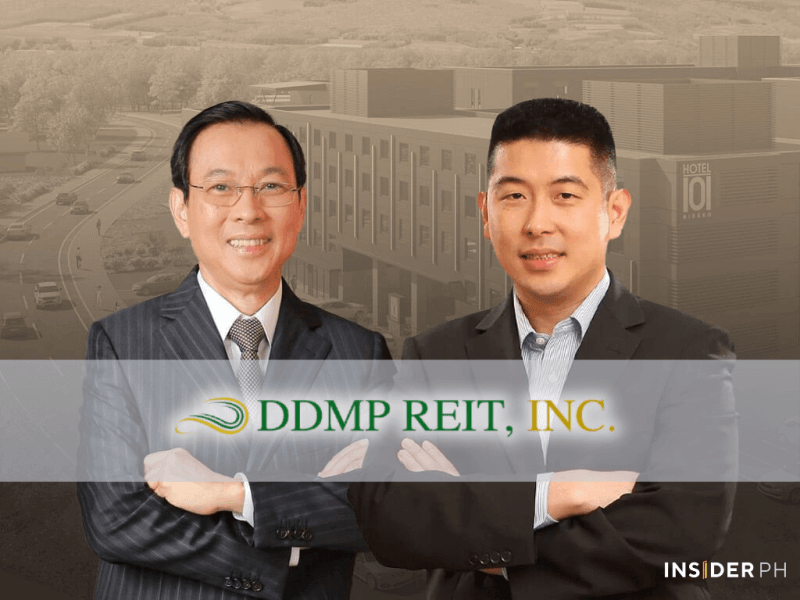
In a statement on Wednesday, May 6, 2026, DDMP REIT Inc. said the dividend will be paid on May 29 and is higher than the P402.33 million declared during the same period last year, according to the company’s disclosure on Tuesday.
The office REIT also reported stronger financial results, with total revenues increasing 20.48 percent to P4.52 billion from P3.75 billion a year earlier.
Net income rose 24.7 percent to P3.88 billion from P3.12 billion in the prior year.
Why it matters
The results come as office landlords continue to navigate changing workplace demand and investor concerns over the long-term impact of artificial intelligence on traditional office tenants, particularly business process outsourcing firms.
DDMP REIT — controlled by billionaires Edgar "Injap" Sia II and Jollibee founder Tony Tancaktiong — emphasized that it has “no exposure to large BPO (call center) tenants,” positioning itself as potentially the only office REIT in the Philippines without major exposure to the sector.
The company said this makes it more resilient against possible disruptions or tenant exodus driven by the rise of AI agents and artificial intelligence.
What they’re saying
DDMP REIT described its portfolio as having a “bulletproof hard asset base” because it directly owns both the land and Grade-A office buildings within its portfolio instead of leasing the land from a parent company.
The company also highlighted its debt-free status.
“DDMP REIT Inc has no debt. DDMPR is debt-free,” the company said in its disclosure.
The REIT added that DoubleDragon Plaza continues to serve as a strong central business district hub in the Bay Area during weekdays.
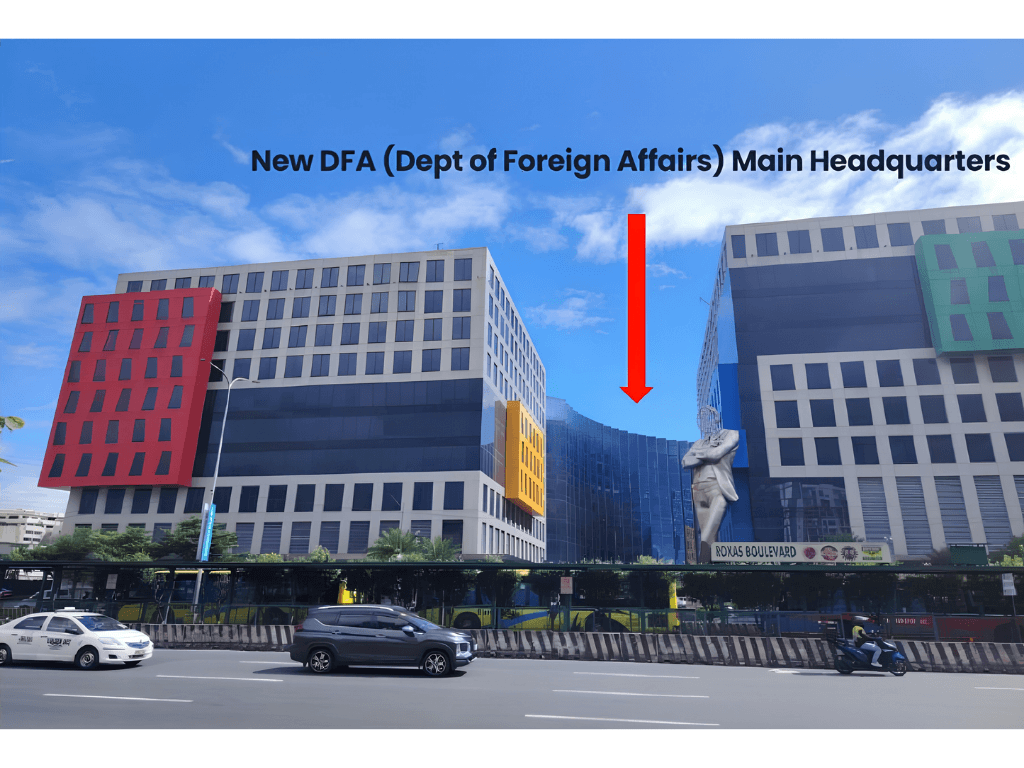
The disclosure also noted that the Department of Foreign Affairs’ new main headquarters is now fully operational behind DoubleDragon Plaza in Pasay City, increasing activity within the DoubleDragon Meridian Park complex.
What’s next
Investors are expected to closely monitor whether DDMP REIT can sustain rental growth and occupancy levels as office landlords adapt to evolving tenant requirements and technological shifts. —Daxim L. Lucas | Ed: Corrie S. Narisma