While electricity bills provide an overview of power consumption, they offer limited insight into the actual condition of electrical infrastructure, including equipment performance, system reliability and potential hazards.
FVMapile chief operating officer Jonas Mapile emphasized in a statement the importance of conducting comprehensive electrical health assessments during the recently concluded Energy Forward Forum organized by COREPLUS.
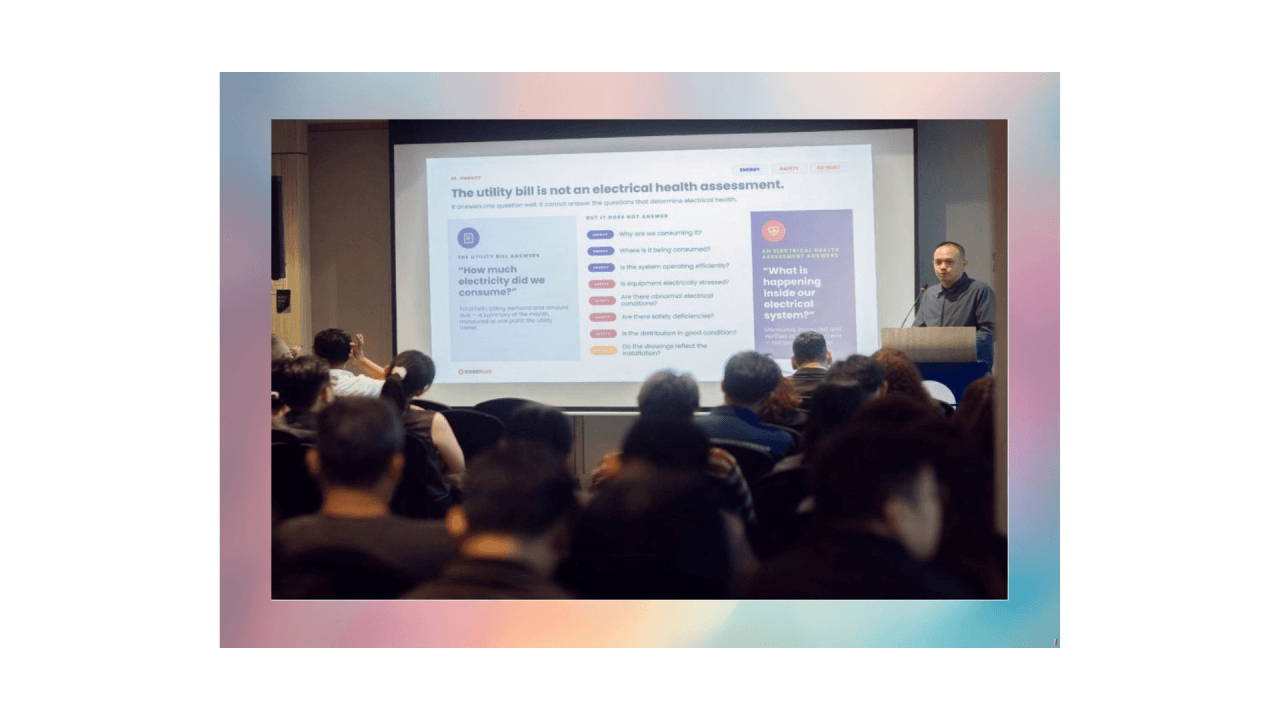
Speaking during a session titled “Energy & Electrical Safety Audit: Investing in Safety,” Mapile stressed that a functioning electrical system does not necessarily mean it is in good condition.
Facilities may continue operating without major equipment failures even as underlying problems compromise efficiency, reliability and workplace safety.
Beyond electricity bills
Mapile said relying solely on monthly utility bills gives businesses an incomplete picture of their electrical systems.
While bills reflect overall electricity consumption, they do not explain where or why energy is being used. Neither can they detect equipment stress, abnormal operating conditions or potential safety deficiencies.
He identified three key areas that businesses should assess together: energy performance, safety and equipment condition, and the accuracy of electrical system documentation.
Improving energy efficiency
An energy audit allows businesses to better understand their electricity consumption patterns, demand profiles and power factor while identifying opportunities to optimize energy use.
The findings provide facility operators with a clearer understanding of how their electrical systems perform under actual operating conditions, helping them make more informed decisions on energy management and infrastructure investments.
Such assessments can also help businesses identify inefficiencies that may be contributing to higher operating costs.
Preventing operational risks
Equally important is conducting safety and reliability assessments to determine the physical condition of electrical equipment.
These assessments include checking equipment temperatures, electrical connections, grounding systems and power quality.
Early detection of potential hazards and equipment deterioration can help businesses implement preventive measures before these problems result in equipment failure, unplanned downtime or more serious safety incidents.

Updating electrical records
Mapile also underscored the importance of maintaining accurate as-built electrical plans, particularly as facilities undergo renovations, equipment additions and other infrastructure modifications.
Technical drawings that no longer reflect actual electrical installations could complicate maintenance, troubleshooting and future expansion projects.
Keeping these records updated can support safer operations and more effective planning for additional electrical loads and infrastructure upgrades.
Integrated energy solutions
The Energy Forward Forum served as a platform for discussing practical energy solutions for commercial and industrial facilities.
Other sessions explored compact secondary substations, solar energy solutions and technology options from industry partners Huawei and LONGi.
COREPLUS, a subsidiary of COREnergy, provides energy engineering and technical services, including electrical audits and maintenance, energy efficiency retrofits, energy management system integration, and solar and battery energy storage projects.
Through the forum, the company highlighted the importance of assessing existing electrical infrastructure before committing to new energy technologies or system upgrades.
For businesses seeking to manage rising operating costs while preparing for future expansion, a comprehensive understanding of their electrical systems can provide the foundation for more targeted investments, improved operational resilience and long-term energy efficiency. —Ed: Corrie S. Narisma