For the guides of the Apo Island Snorkeling Equipment Rental and Guiding Association (AISERGA), this daily ritual is the quiet heartbeat of a livelihood that has transformed an entire community.
From hidden hardship to community stewardship
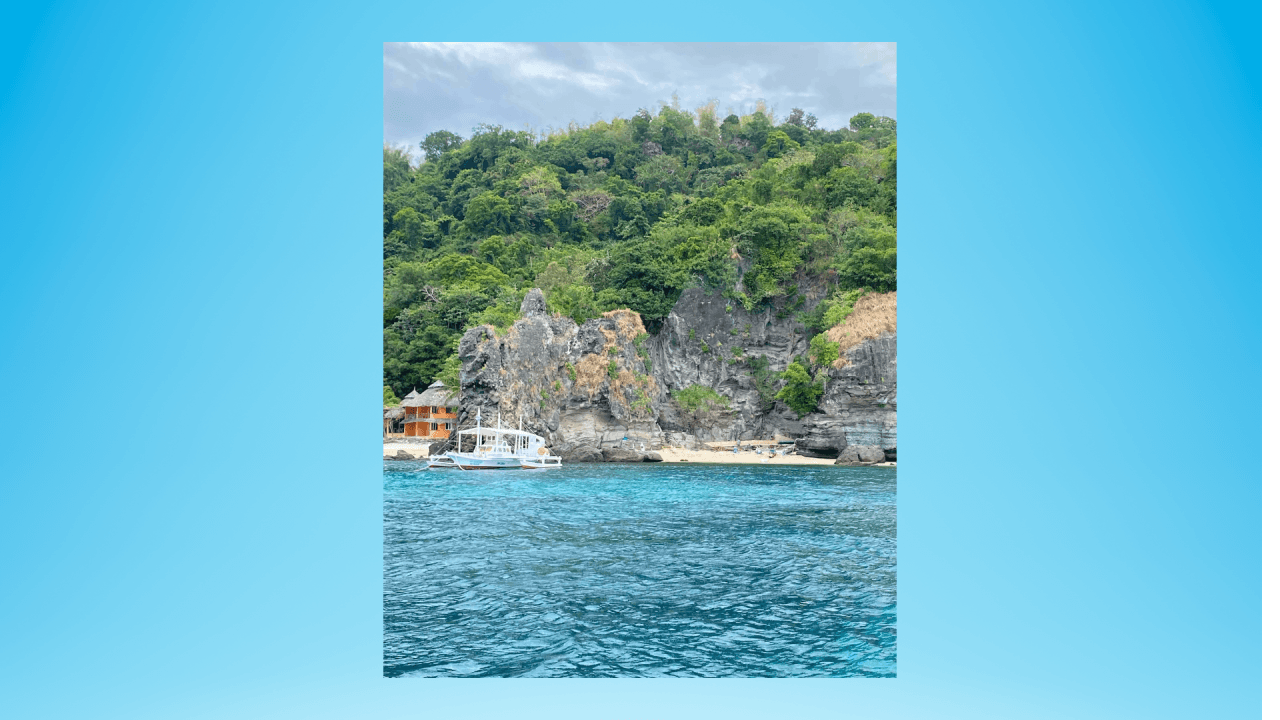
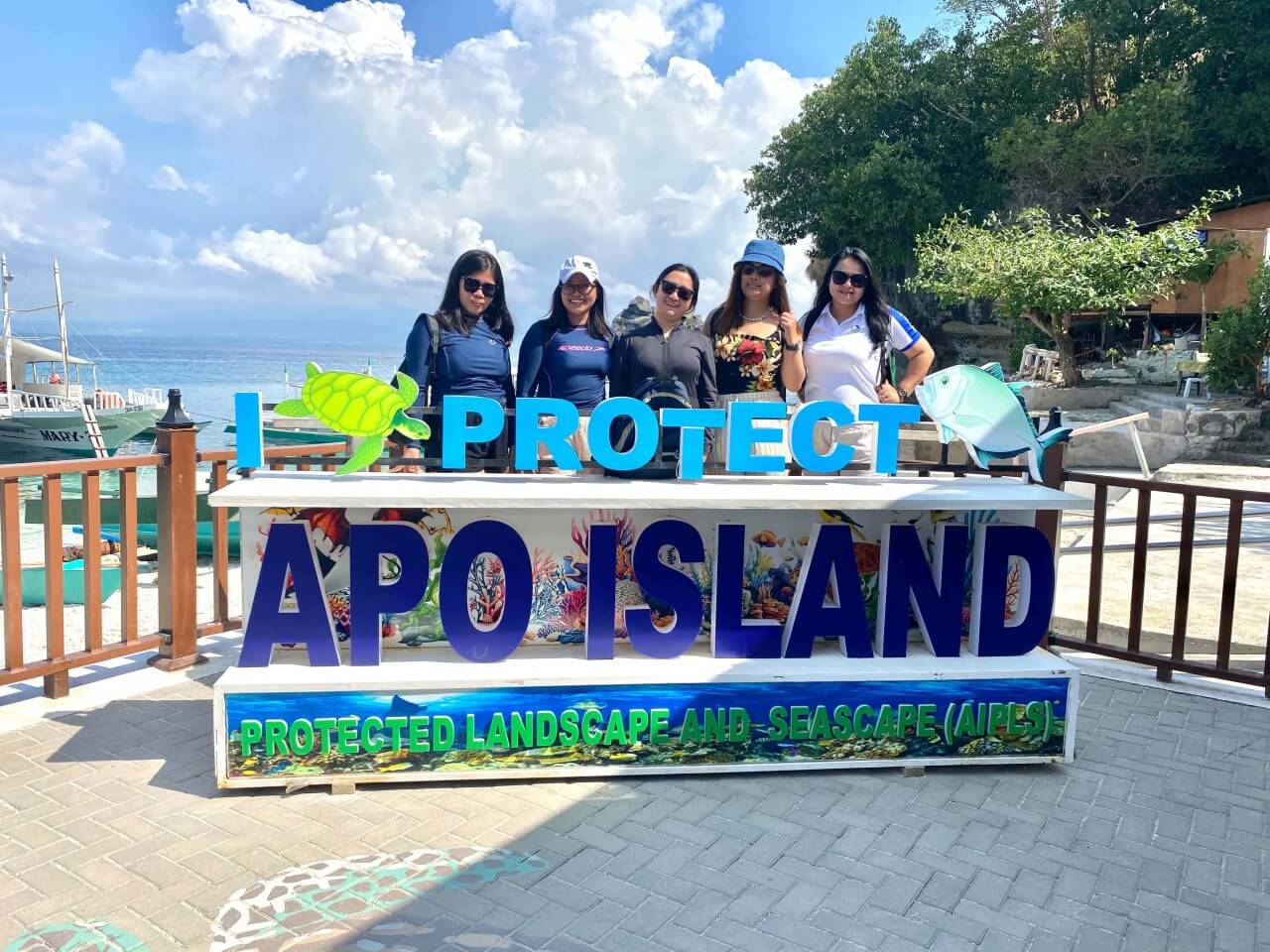
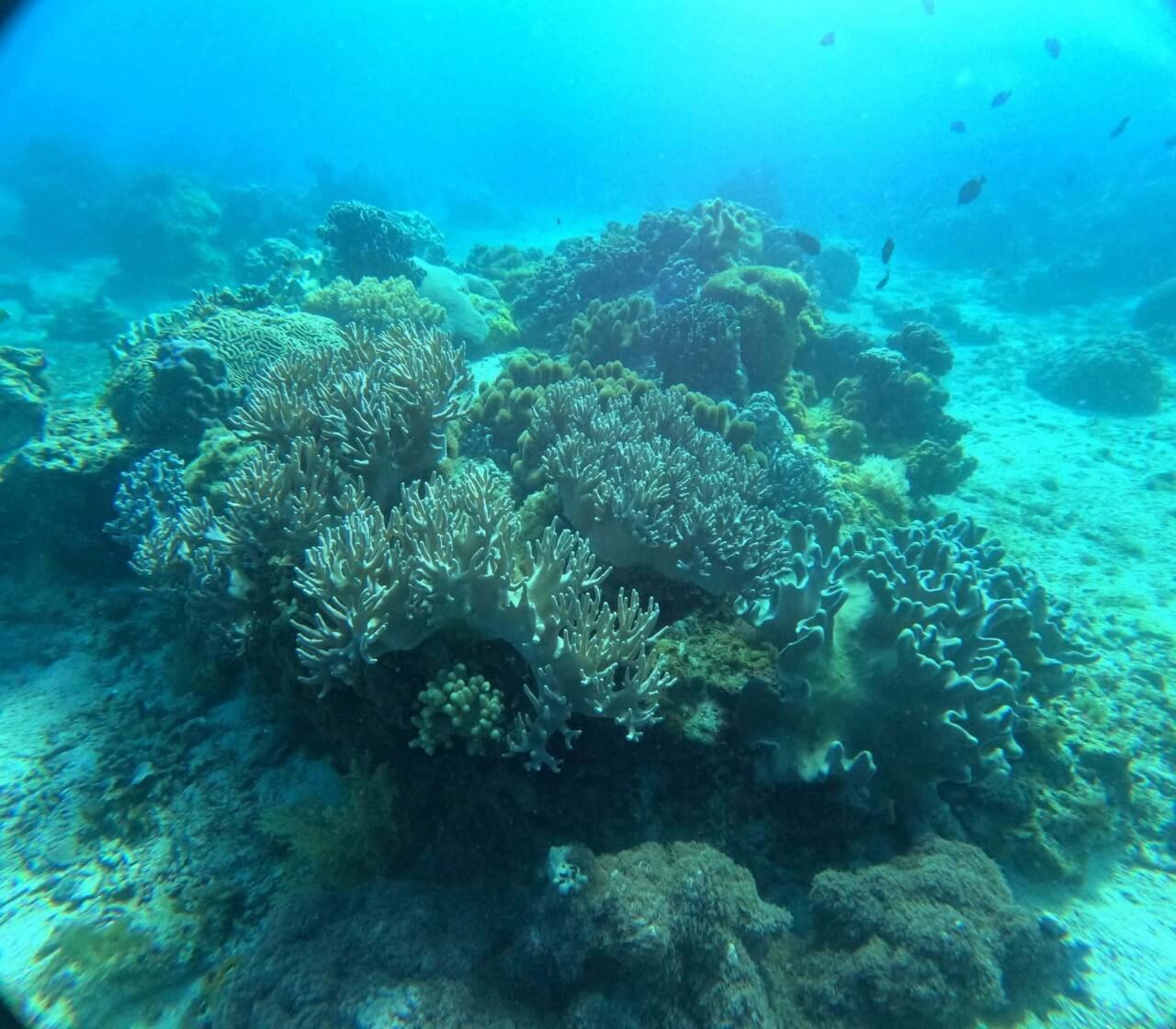
Apo Island, a volcanic outcrop off Negros Oriental, is renowned for its rich marine biodiversity. Home to hundreds of fish species and dozens of coral species, it is considered one of the Philippines' most important marine sites.
Yet for decades, the island's natural beauty masked a harsher reality. More than 60 percent of households lived below the provincial poverty threshold, relying on small-scale fishing and unpredictable tourism for their livelihoods. When storms rolled in or fish stocks declined, many families had little or no savings to fall back on.
“We had the turtles, the reefs, the tourists,” resident Simon Alam-Alam said in a statement issued by the Department of Environment and Natural Resources (DENR). “But we didn’t have stability.”
That began to change when the government shifted to a community-led conservation model. Under a policy of integrating local residents into the tourism value chain, the Department of Environment and Natural Resources–Protected Area Management Office (DENR-PAMO) strengthened local organizations and formalized work that islanders had long done informally.
The Protected Area Management Board's decision to grant AISERGA the authority to manage turtle interaction activities transformed a loose network of guides into a structured, community-run enterprise with environmental training, standardized fees, and a simple mandate: protect the turtles, and the turtles will continue sustaining the community's livelihood.
The economics of a reef
The impact is visible in everyday life. AISERGA's 62 active members have remained with the organization for an average of 15 years, with some serving for more than two decades—a level of longevity rarely seen in small-island tourism.
“I can now pay our household bills on time and consistently send my children to school,” Alam-Alam said. “Our daily food consumption has improved, we’ve finally been able to upgrade our home, and for the first time, I’ve even built up personal savings.”
These are not abstract gains. They are new roofs that no longer leak during the rainy season, school uniforms bought without borrowing money, and refrigerators humming in kitchens that once held only ice coolers.
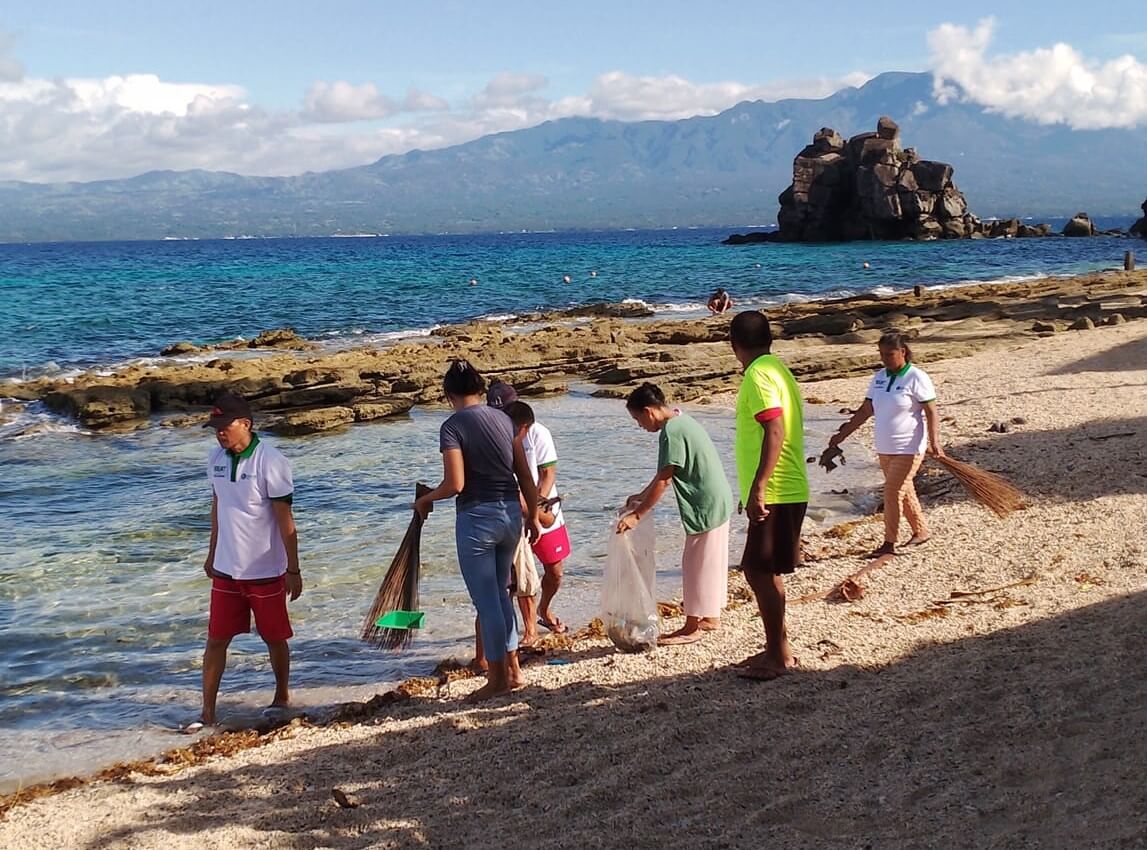
The DENR-PAMO has also hired 36 residents as wardens, waste collectors, boatmen, and visitor assistance staff—jobs that provide steady monthly income in a place where work was once defined by uncertainty.
For boatman Rimel Tabaniera, the change is measured in the quiet confidence of being able to plan ahead.
“Before, we relied too much on the sea,” he said. “If the catch was small, we had nothing. Now, guiding tourists gives us steady income. And because the income stays here, our children have a better chance.”
The ecology of trust
Economic stability has also strengthened the community's commitment to conservation. AISERGA members unanimously reported complying with environmental protocols, including reef-friendly snorkeling practices, visitor orientation, proper waste disposal, and turtle protection guidelines.
DENR monitoring has also shown a significant decline in coral trampling since trained guides began managing visitor flow.
“We always follow the environmental guidelines,” AISERGA guide Remilo Tabaniera said. “If the reef dies, our livelihood dies.”
This ethic of stewardship is not new. Apo Island’s marine sanctuary, established in 1982, was one of the first community-managed marine reserves in the Philippines. What has changed is the scale of community participation—and the fact that conservation is no longer a sacrifice but a source of income, pride, and identity.
Environment Secretary Juan Miguel Cuna captured that shift: “This is proof that conservation and prosperity can grow together—when communities lead, nature and livelihoods both flourish.”
A national mandate reflected locally
Apo Island’s story also reflects a broader policy direction. With a presidential mandate to improve livelihoods while protecting the environment, initiatives like AISERGA have become models for how communities can steward natural resources while securing stable incomes.
As President Marcos has emphasized, “We must lift up our communities without sacrificing the natural wealth that sustains them—sustainable livelihoods and a healthy environment are two sides of the same coin.”
Looking ahead
Apo Island’s transformation is not an overnight miracle but a slow, deliberate weaving together of ecology and economy.
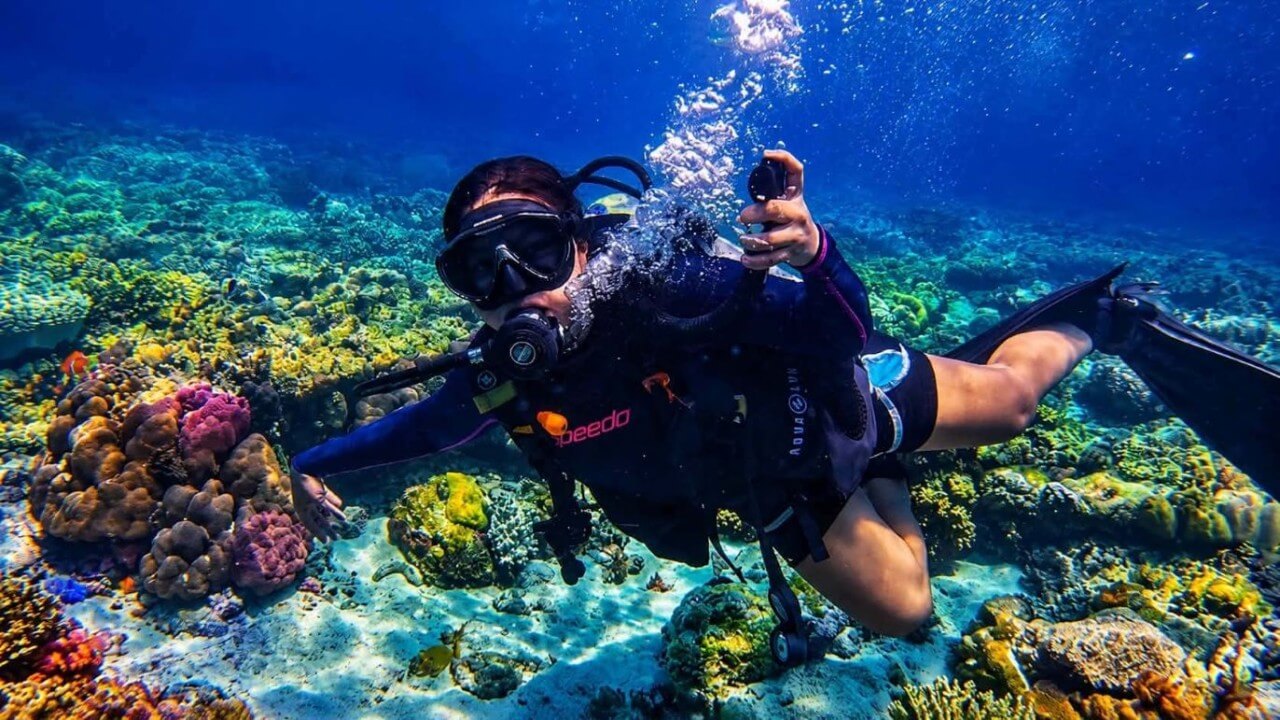
The reefs remain among the healthiest in the country, turtle populations in monitored zones are stable, and families who once lived day to day now have predictable incomes, savings, and a stake in long-term conservation.
On the beach, as the sun climbs higher, guides begin their first orientation of the day. A group of visitors gathers while a warden explains how to float above the turtles without disturbing them.
Children listen wide-eyed. The sea glitters. A turtle surfaces for air. In that quiet moment, the island’s future feels within reach.— Ed: Corrie S. Narisma