The remarkable turnaround recently earned the river the Grand Champion title in the Department of Environment and Natural Resources' (DENR) R.I.V.E.R.S. for Life Awards 2025, recognizing its achievements in river rehabilitation, solid waste management, water quality improvement, partnerships, and community engagement.
River lifeline
For years, the Sapu Masla River served as a vital source of food and livelihood for communities in Malapatan, Sarangani. Its waters supported fisheries, nearby farmlands, and coastal ecosystems connected to Sarangani Bay.
But the river gradually deteriorated as waste was dumped into its waters and upland forest cover was stripped by kaingin or slash-and-burn farming. When heavy rains came, soil erosion sent silt, debris, and floodwaters downstream, affecting homes, livelihoods, and public safety.
What happened in the uplands eventually flowed into the river system, turning a once-productive waterway into a source of risk for communities.
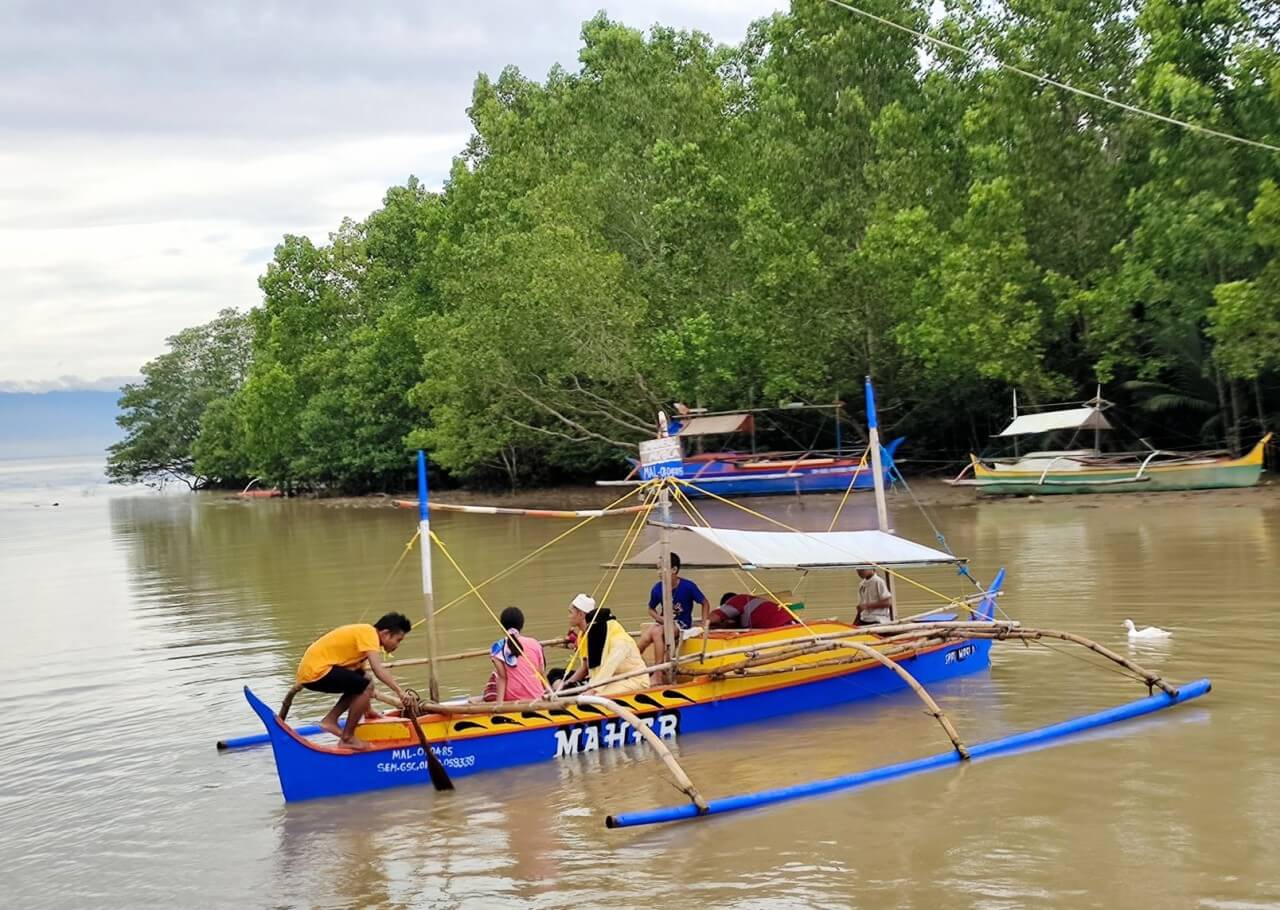
"Whatever we do upstream will always be reflected in the river system," former DENR XII regional executive director and now assistant secretary for field operations-Mindanao Atty. Felix Alicer said in a statement.
Turning tide
The shift began in 2021 through the DENR's Rivers for Life Program, implemented by DENR Region XII in partnership with the local government of Malapatan.
The program focused not only on enforcement, but also on making environmental protection part of daily community life.
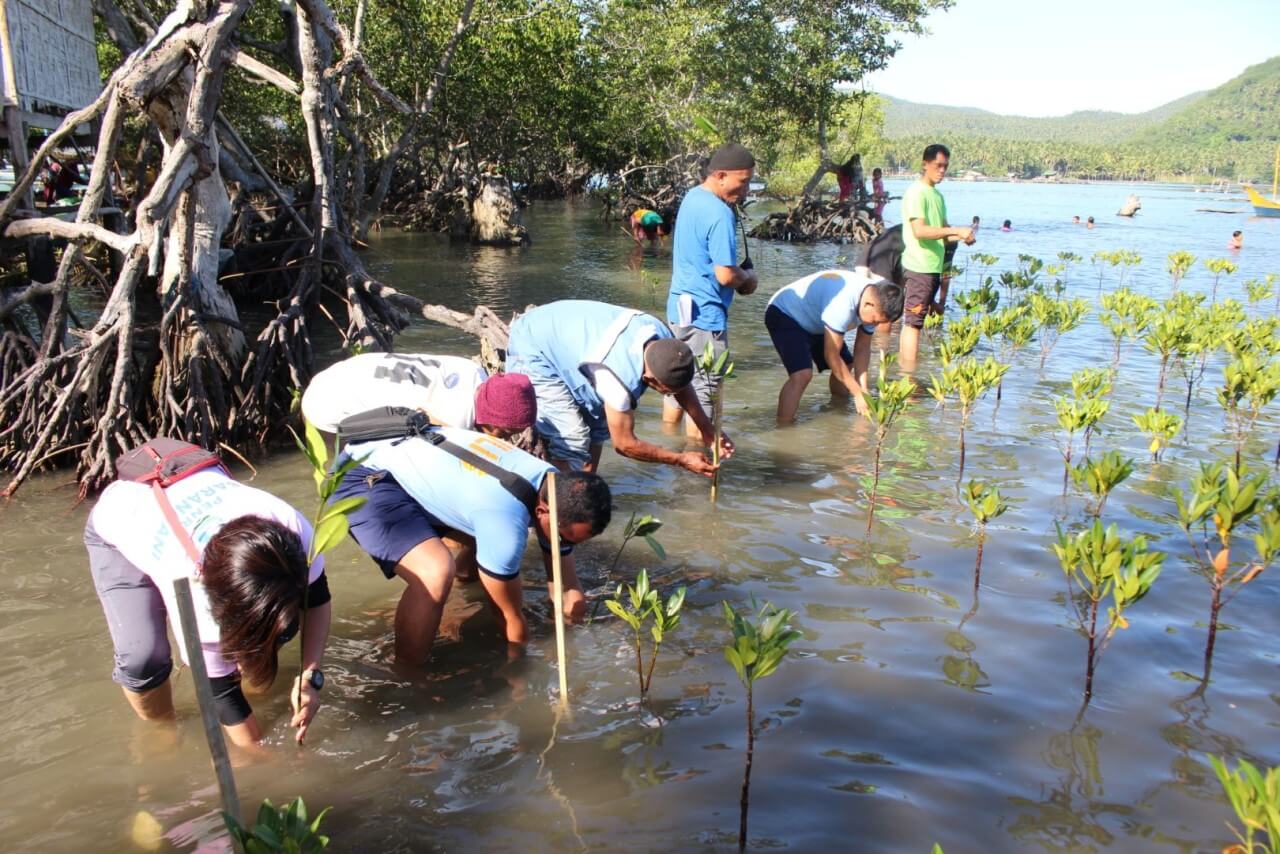
Residents, local government units, people's organizations, and DENR field offices joined regular river and coastal cleanups, supported by partnerships with junkshop operators.
In upland areas, the enforcement of anti-kaingin policies was paired with livelihood and rehabilitation support.
The DENR Community Environment and Natural Resources Office introduced farmers to sustainable practices, provided fruit tree seedlings, and supported bamboo planting through the Tasok Bamboo Project to help stabilize riverbanks.
Among the people's organizations involved were Principled Achievers Rendering True Services, the Purok Jolohano Women's Association, Sapu Masla Taliawid Producers Cooperative, and the Sapu Masla Fish Cage Operators Association.
Shared duty
Under the DENR's Adopt-a-River Program, people's organizations took responsibility for specific sections of the river, strengthening accountability and community ownership.
The local government also created the Barangay River Management Council in Sapu Masla, giving residents a formal platform to take part in enforcement, waste management, education, health, and livelihood initiatives.
DENR also introduced programs such as "May Pera sa Basura" and "May Bigas sa Basura," which encouraged households to view waste as something of value rather than something to discard.
Information campaigns were conducted across puroks to promote segregation, proper disposal, and reduced river pollution.
Even households contributed by adopting regular septic tank maintenance, helping cut wastewater discharge into the river.
Visible gains
Over time, the results became visible. Waste volumes declined, water quality improved, riverbanks stabilized, and flooding eased. Downstream ecosystems, including mangroves and seagrass beds in Sarangani Bay, also began to recover.
"Napansin namin na bumaba talaga yung mga waste (We noticed that the amount of waste had really decreased), resident Jezel Malagos said, citing the steady reduction in garbage.
Stretching across six sitios and flowing into Sarangani Bay, the Sapu Masla River now supports fisheries, agriculture, and coastal ecosystems for more than 7,000 residents.
Lasting change
DENR said the rehabilitation reflects its ridge-to-reef approach, which links upland, river, and coastal management into one continuous effort. The approach also supports broader goals of climate resilience and flood mitigation.
Established in 2021, the R.I.V.E.R.S. for Life Awards recognizes outstanding river protection and rehabilitation initiatives across the country.
For Sapu Masla, the award affirms the impact of shared responsibility among residents, local officials, people's organizations, and government agencies.
"The river is no longer defined by what it carried before," Alicer said. "It is defined by what the community chose to change, and that change continues to flow." —Ed: Corrie S. Narisma