Insider Spotlight
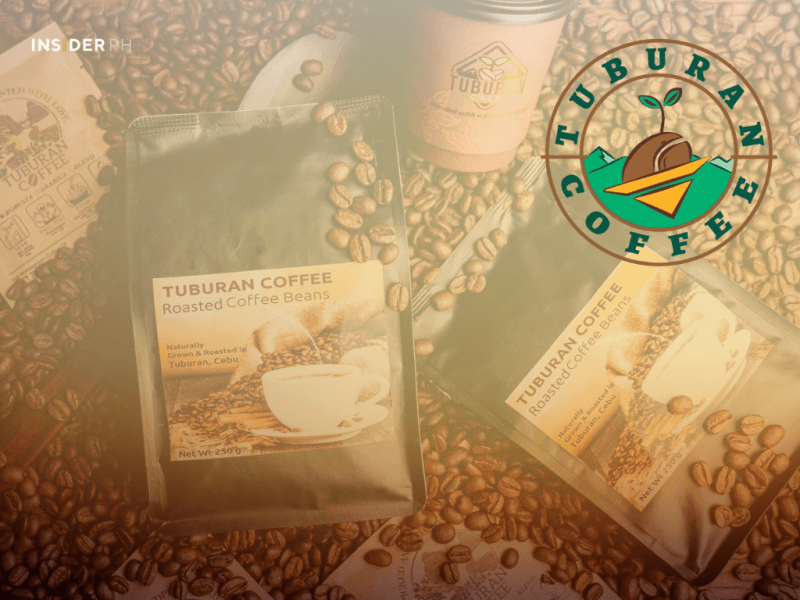
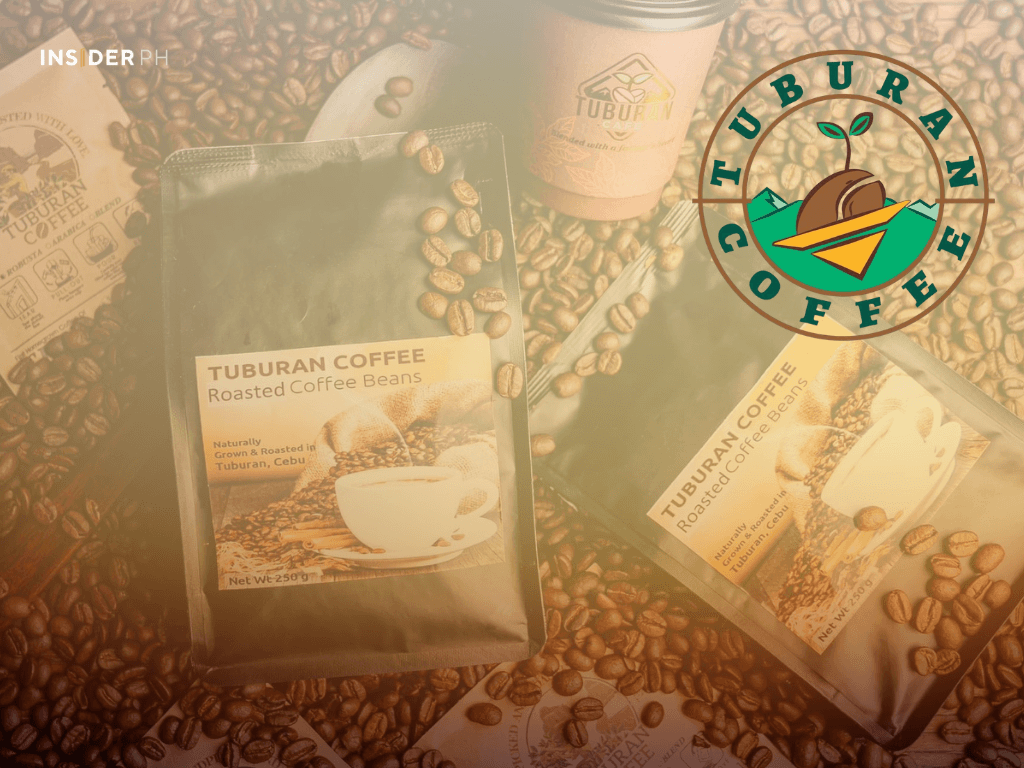
In Cebu, Tuburan Coffee is helping lead that shift as the country’s first certified organic coffee, using organic production and agroforestry to build a model that could be replicated as Philippine coffee production expands.
Why it matters
Becoming organic requires patience. Tuburan’s transition included soil testing and years of waiting for synthetic inputs previously applied to farms to dissipate.
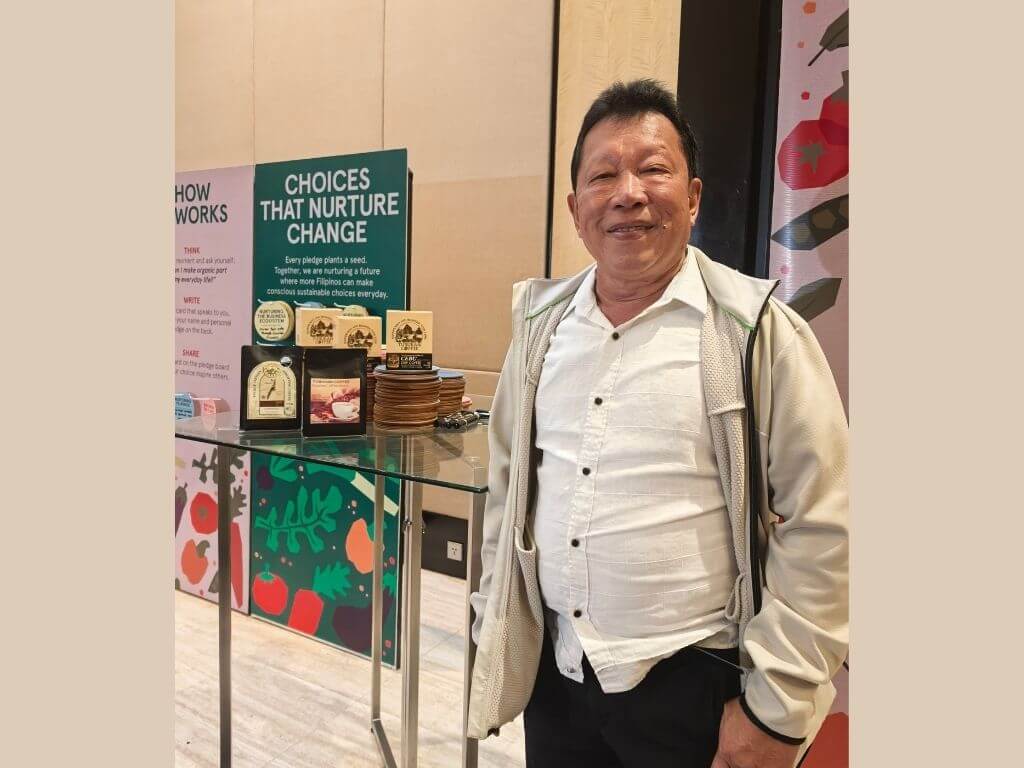
“That's why we're 100-percent organic. Because of the agroforestry also, we're not only focusing on organic fertilizer, but we're also focusing on agroforestry. Which is one of the better ways of improving our coffee since it's a shaded sea,” chief operating officer of Tuburan Coffee Jamaica B. Diamante said during the media launch.
The system integrates companion plants and trees, including Narra, to provide shade. That helps moderate temperatures and slows cherry maturation, allowing sugars to develop while creating a more diverse farm ecosystem.
The bigger picture
Naturland director for strategy and international affairs Marco Schlüter sees the Philippines as fertile ground for a broader organic movement. Naturland has worked with organic farmers in the country and participated in national efforts to strengthen the sector.
“I think we want to put at least the potential of the Philippines in organic farming and the role organic farming can play. With all the potential that is here from the strong grassroots movement, we have the opportunity to give independence to farmers here in the Philippines” Schlüter said.
For an archipelagic country where many farmers face costly access to synthetic fertilizers and pesticides, organic production can also reduce dependence on imported inputs while creating opportunities for premium markets.

What’s next
Tuburan’s growth could accelerate with the Department of Agriculture’s (DA) Coffee Industry Development Office (CIDO). The DA created CIDO in 2026 to centralize coffee programs, funding and strategy, while its first Visayas office was established in Tuburan.
“We're expanding more because of the CIDO. They call it the ‘Coffee Revolution’ because we have thousands of farmers spread across 34 barangays and all of them are producing coffee now,” Diamante said.
With government backing, expanding farmer participation and rising consumer interest, Tuburan offers a glimpse of how organic agriculture could move from a specialized market into a bigger part of Philippine farming. —Vanessa Hidalgo| Ed: Corrie S. Narisma