The artificial intelligence (AI)-native lending platform said responsible lending goes beyond providing loans and includes protecting customers from harassment, hidden charges, and abusive collection practices that continue to erode trust in digital finance.
Consumer protection
Tala has been advancing its “Debt with Dignity” advocacy, which promotes respectful debt collection and transparent lending practices throughout a customer's borrowing journey.
The company said consumer protection should serve as the foundation of sustainable lending rather than merely a regulatory requirement.
Through its Global Debt Collection with Dignity Initiative, Tala is helping develop a model framework for debt collection that regulators can adapt as governments strengthen safeguards for borrowers.
The framework emphasizes protecting customer privacy, prohibiting harassment, and ensuring respectful communication during loan repayment.
The advocacy comes as regulators intensify efforts to crack down on abusive debt collection practices, with industry organizations also backing stricter enforcement against rogue lenders.
Borrower experience
For many borrowers, Tala said the difference between ethical and abusive lending can determine whether credit becomes a financial lifeline or another source of anxiety.
One customer, Ginalyn, recalled how her first experience with an online lender involved threats and intimidation, leaving her fearful of digital borrowing.
She said her experience changed after discovering Tala.
"I wish I met Tala first so that I didn't have to go through all the trauma. It's very safe and friendly. It treated me with respect even in reminding me of my payments. If your due date is coming up, it will encourage you to get in touch with them in case you still can't afford to pay," Ginalyn said.

"Whenever I'm short on budget, Tala is my go-to. I know I can depend on Tala," she added.
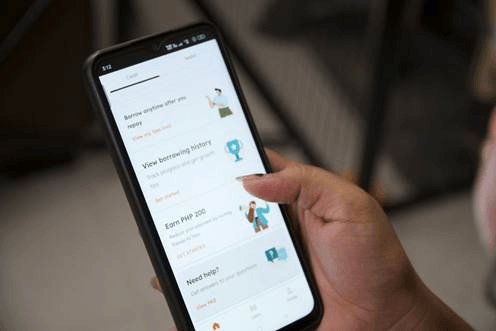
Tala said it supports informed borrowing by clearly disclosing loan fees, repayment schedules, and due dates before customers accept a loan. Borrowers can also choose repayment dates that match their salary schedules or business cash flows.
According to a 2025 global study by research firm 60 Decibels, 99 percent of Tala customers reported never experiencing hidden or unexpected charges.
Its in-app Grow with Tala feature also allows eligible customers to see guaranteed credit limit increases before their current loans become due, helping reduce financial uncertainty.
Fraud crackdown
Beyond lending practices, Tala has also strengthened efforts to protect customers from fraud.
Working with the National Bureau of Investigation (NBI), the company has filed cases against more than 70 individuals accused of posing as "Tala agents" to scam borrowers.
The company also continues to collaborate with the Consumer Lending Association of the Philippines (CLAP) and government regulators in supporting policies that discourage abusive and unethical debt collection practices across the industry.
Building trust
Moritz Gastl, president and general manager of Tala Philippines, said expanding access to credit should always be accompanied by measures that safeguard borrowers.
"Democratized access and consumer protection must go hand-in-hand to achieve true financial inclusion. At Tala, we prioritize trust by ensuring that our customers are treated with dignity in the entirety of their credit journey. This is central to our commitment to being a true partner of the global majority in their growth and toward financial agency," Gastl said.
Powered by proprietary risk intelligence and real-time decisioning, Tala provides loans to customers who may not have collateral or formal credit histories.
The company said broader access to financing remains important, but lasting financial inclusion depends on ensuring borrowers are treated fairly—from loan application and approval to repayment and collection.
By combining transparent lending, fraud prevention, and respectful debt collection, Tala said it aims to help establish a higher standard for responsible digital lending in the Philippines. —Ed: Corrie S. Narisma