
Insider Spotlight
“Urban mobility is central to national development. By working with the government, we are able to improve access points that affect commuters every day,” said Jeffrey C. Lim, SM Prime president.
“This partnership started during the pandemic, when improving public transport access became a priority. The facilities are now largely in place,” said Lim.
Why it matters
Metro Manila’s congestion continues to weigh on productivity and commuter welfare, pushing private sector players to co-invest in mobility solutions that complement public infrastructure.
The details
SM Prime is investing more than P300 million to build a direct pedestrian link between the LRT-2 Antipolo Station and SM City Masinag in Antipolo, Rizal.
The covered walkway is designed to cut transfer times and eliminate risky street-level crossings.
The project will feature ramps, elevators, lighting and closed-circuit television systems to improve accessibility and safety.
Construction is scheduled to begin in the second quarter of 2026, with completion targeted within six months under a partnership with the Light Rail Transit Authority.
Context
This initiative, disclosed in a company release, reflects a broader push by SM Prime to integrate retail spaces with mass transit systems, positioning malls as central nodes in urban mobility networks.
Also in focus
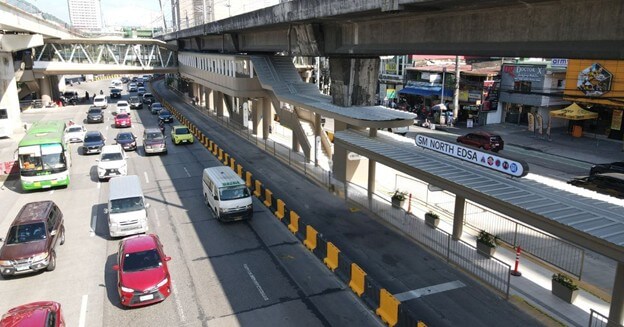
The SM North EDSA Busway Concourse, opened in March 2025, introduced covered walkways, escalators and direct access to the busway station to streamline passenger movement.
SM Prime is now replicating this model at SM Megamall, where construction is underway. The northbound section is expected to be completed by the first quarter of 2026, according to the same company release.
What’s new
Beyond physical infrastructure, SM Prime is partnering with the Metropolitan Manila Development Authority to roll out real-time traffic updates.
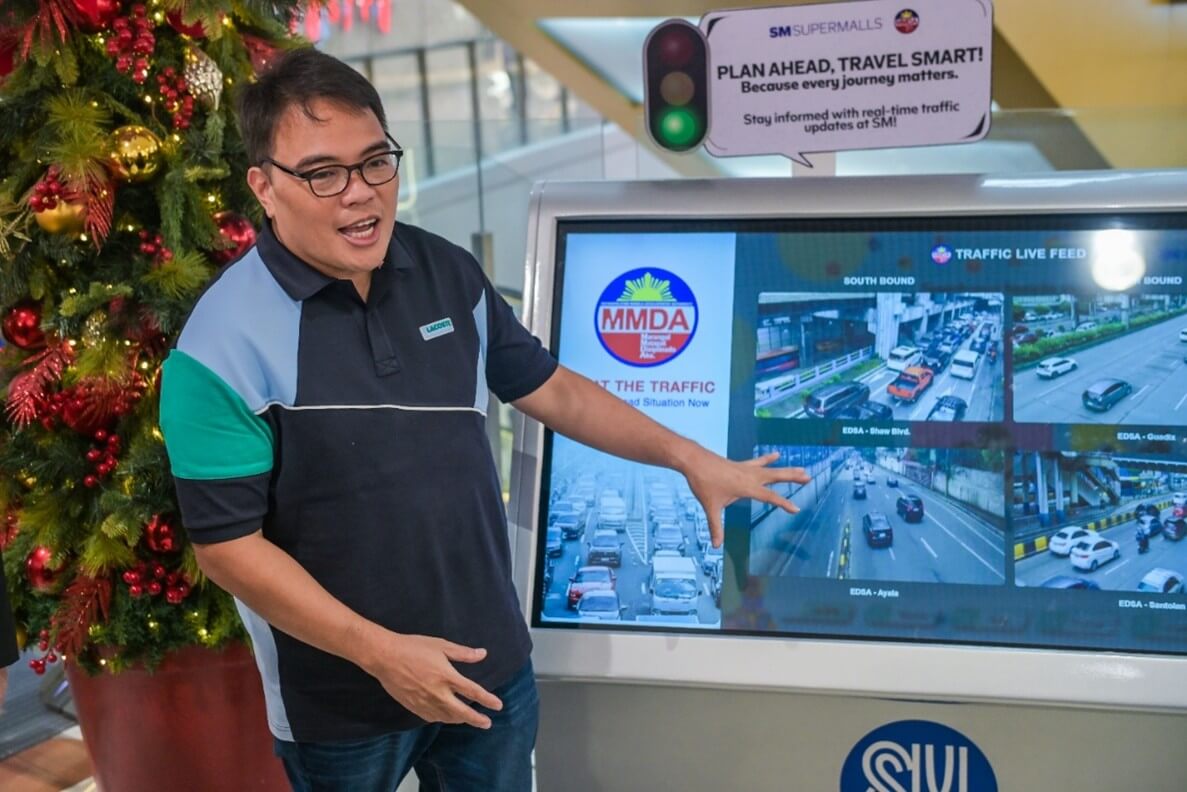
Live feeds from the MMDA’s AI Traffic Management System are now available on select mall directories, helping commuters plan routes more efficiently and avoid congestion hotspots. —-Princess Daisy C. Ominga | Ed: Corrie S. Narisma