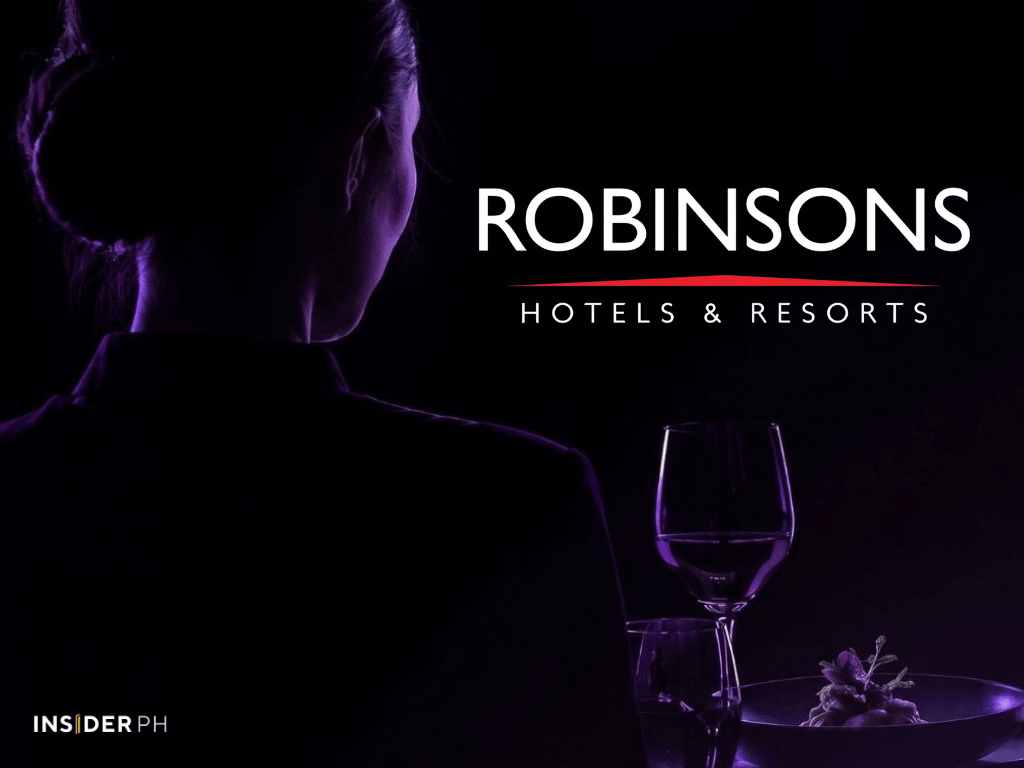
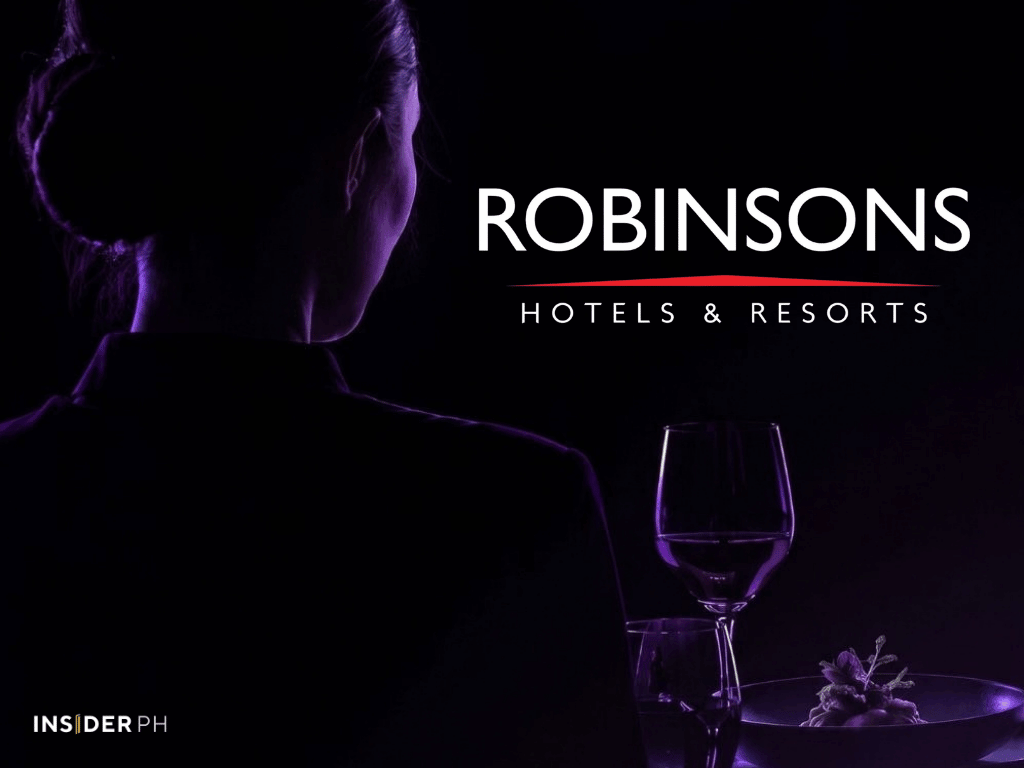
“Dining in the Dark” is being offered at Dusit Thani Mactan Cebu and The Westin Manila, where guests are served a three-course mystery menu without being able to see their food.
The concept removes visual cues to encourage diners to rely on taste, smell, touch and hearing, shifting attention to the flavors, aromas and textures of the meal.
Visually impaired guides accompany diners throughout the experience, helping them navigate an environment in which their usual reliance on sight has been removed.
Beyond sight
Dining in the Dark was established in Bangkok in 2012 by Julien Wallet-Houget and has since developed into an experiential dining concept that combines food with sensory discovery.
RHR said introducing the concept in its Cebu and Manila properties also gives its culinary teams a different challenge.
Without the appearance and plating of dishes influencing diners’ perceptions, chefs have to place greater emphasis on flavor, aroma, texture and balance.
RHR senior vice president and business unit general manager Barun Jolly said changing guest expectations were pushing hospitality companies to find new ways of creating memorable experiences.
“Dining in the Dark is a globally recognized concept that challenges the way people experience food, but what appealed to us most was its ability to create genuine human connection,” Jolly said.
He said the concept also aligned with the hospitality group’s focus on inclusion.
Opening opportunities
RHR partnered with Resources for the Blind to recruit visually impaired guides from different professional backgrounds.
The guides underwent a training program developed by the hotels’ food and beverage teams together with Dining in the Dark specialists.
Jolly said the recruits did not previously work in hospitality but brought different life experiences and skills to the program.
“What they brought were life experiences, determination, and a willingness to learn. Through training and collaboration, they have become the heart of the experience,” he said.
Jolly said the initiative showed how companies could create employment opportunities by focusing on people’s potential rather than their limitations.
For guests, the guides reverse the usual dynamic: people accustomed to navigating the world through sight must instead rely on individuals who are experienced in moving and communicating without it.
RHR said the experience was intended to give diners a greater appreciation of the capabilities of people with visual impairments while exposing the guides to opportunities in the hospitality industry.
Cebu, Manila offering
Dusit Thani Mactan Cebu offers Dining in the Dark as a standalone dining experience as well as part of a room-and-dining package.
The Westin Manila, meanwhile, offers a specially curated three-course mystery menu.
Dusit Thani Mactan Cebu general manager Laurent [surname not provided] said hospitality innovation should extend beyond creating novel experiences for guests.
“Innovation should not only delight guests. It should create opportunities, broaden perspectives, and generate positive impact,” he said.
He added that the concept showed how hotels could combine guest experiences with efforts to provide opportunities for communities.
RHR, the hospitality arm of Robinsons Land Corp., said the initiative forms part of its efforts to introduce new dining experiences while expanding inclusion in its operations.
By taking sight out of the dining experience, the concept puts greater emphasis not only on how guests perceive food but also on the people guiding them through an unfamiliar environment. — Ed: Corrie S. Narisma