With typhoons, earthquakes, and other hazards becoming more frequent and complex, PLDT Inc. and its wireless unit Smart Communications, Inc. (Smart) are prioritizing proactive measures that equip communities and local governments to act before disasters strike.
From response to readiness
The group’s strategy integrates resilient communications infrastructure with hands-on, community-based initiatives.
Preparedness, PLDT and Smart said in a press release on Jan. 21, is a shared responsibility that requires coordination across government, the private sector, and local communities.
Supporting national efforts
In partnership with the Office of Civil Defense (OCD), PLDT and Smart actively participated in the Nationwide Simultaneous Earthquake Drill (NSED).
Activities included evacuation exercises, medical response simulations, and fire drills across company offices and facilities—reinforcing employee readiness and organizational safety culture.
Communication remains central to disaster response. PLDT and Smart continue to invest in network resilience and emergency solutions to ensure critical information flows even when power and commercial networks are disrupted.
Ligtas Kits deployed
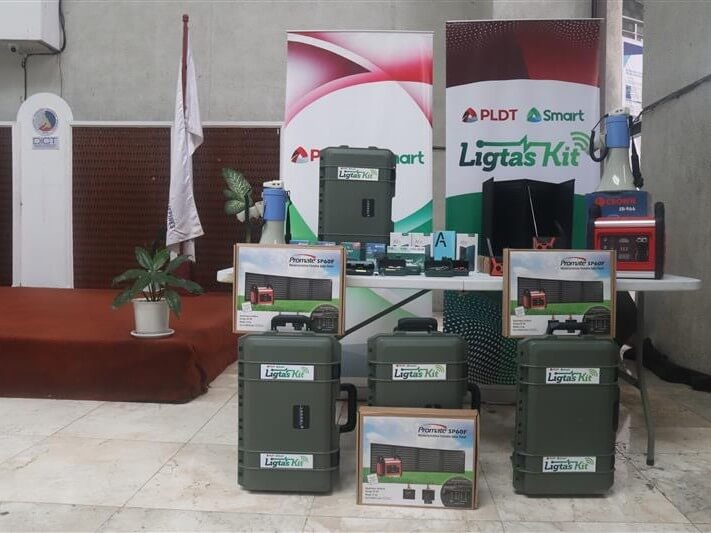
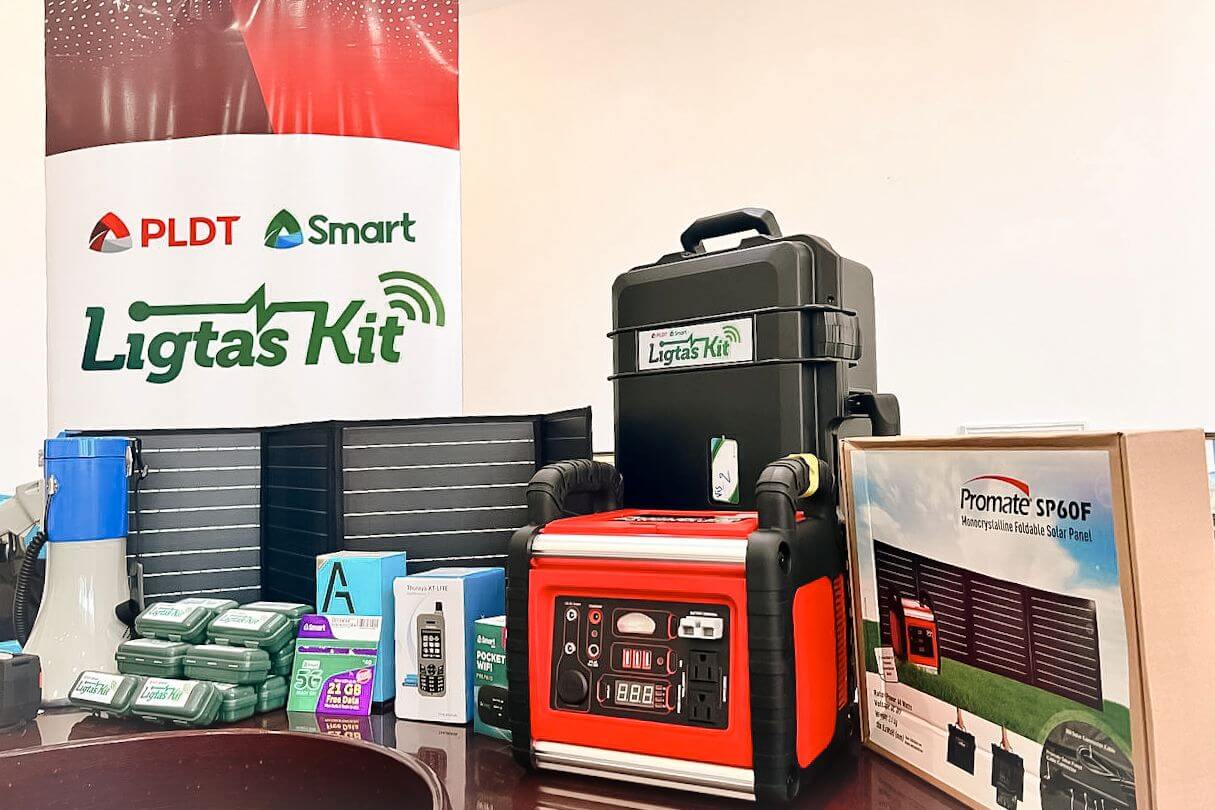
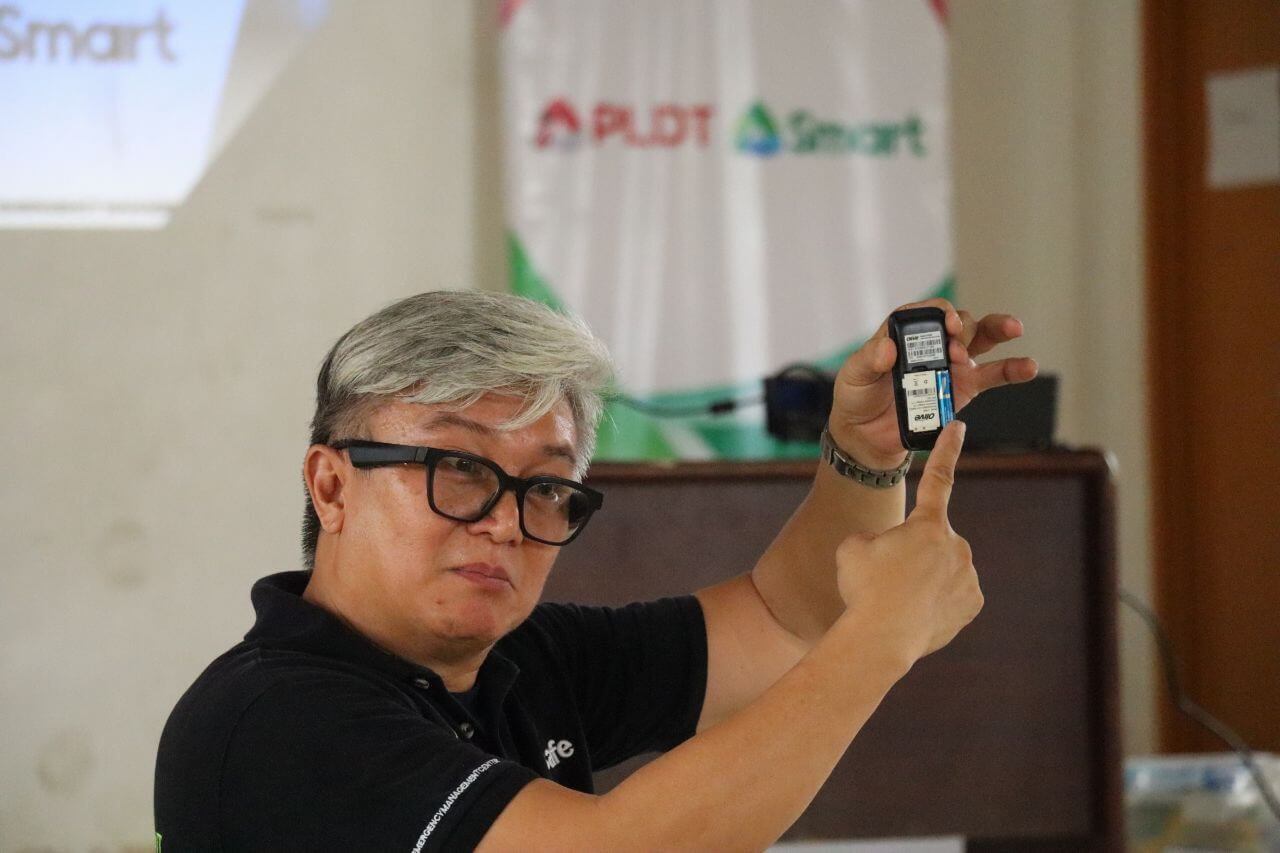
Among the Group’s key initiatives is the Ligtas Kit—an all-in-one emergency communications package with charging stations, solar panels, and connectivity devices.
These kits are deployed to disaster-prone local government units to support communications during emergencies. To date, 61 Ligtas Kits have been rolled out nationwide.
Training responders
The group also conducts Emergency Communications Training (ECT) sessions for LGU officials and disaster responders, strengthening coordination and technical readiness.
In 2025, PLDT and Smart partnered with the Department of Information and Communications Technology (DICT) and the Philippine Disaster Resilience Foundation (PDRF) to develop Emergency Communications Plans for 16 DICT regional offices, standardizing preparedness across regions.
Communications as aid
During major typhoons and emergencies, PLDT and Smart provided free calling, charging stations, WiFi services, and connectivity support in affected communities—helping residents reach loved ones, access information, and coordinate relief.
SafePH caravans
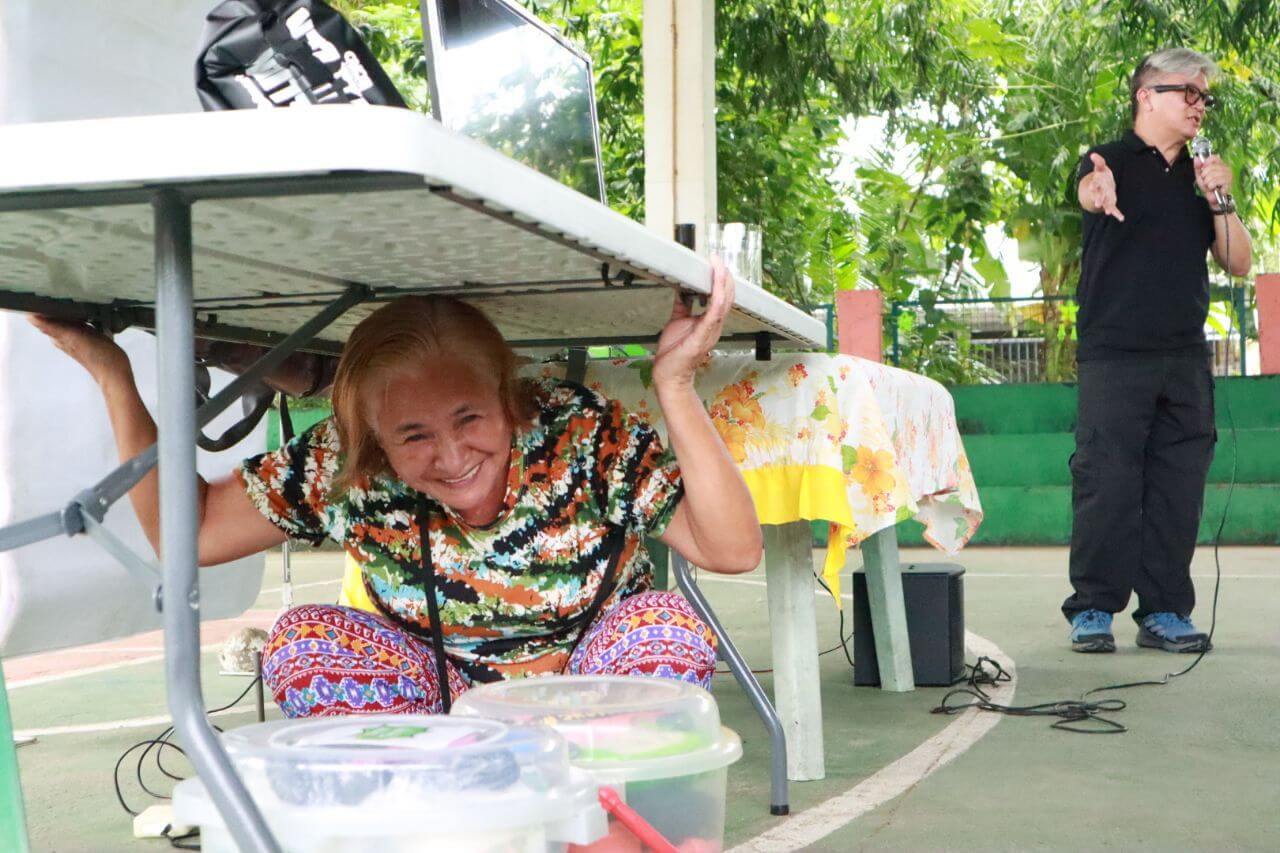
Preparedness efforts extend directly to communities through SafePH caravans, which deliver training on hazard awareness, family preparedness, and basic survival skills.
In 2025, the caravans reached Nasugbu, La Union, and Zamboanga, strengthening local response capabilities.
The initiative culminated in the certification of 656 community and LGU members, highlighting multi-sector coordination and the integrated use of communications technology in disaster scenarios.
Bottom line
“Disaster resilience is built through preparation, partnerships, and people,” said Roby A. Alampay, first vice president and head of public engagement at PLDT and Smart.
Through sustained partnerships, communications-as-aid, and capacity building, the PLDT Group continues to help Filipino communities prepare, respond, and recover—together. —Ed: Corrie S. Narisma