
Insider Spotlight
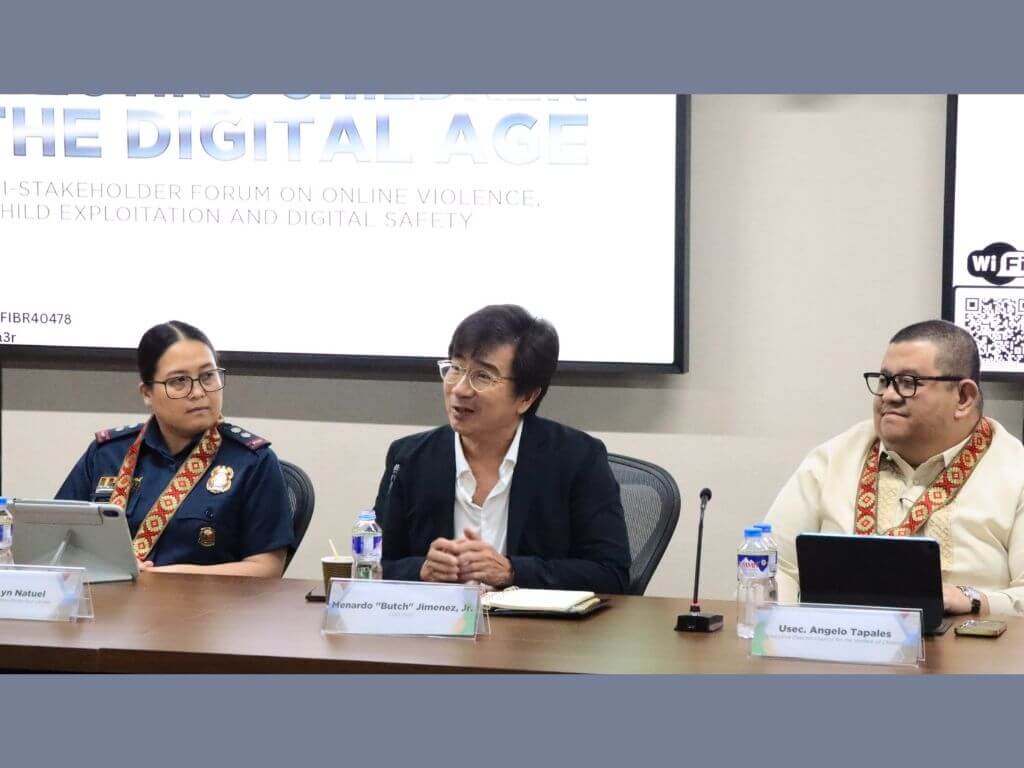
The push was highlighted at “Protecting Children in the Digital Age: A Multi-Stakeholder Forum on Online Violence, Child Exploitation and Digital Safety,” led by PROTECTA Pilipinas, an alliance spearheaded by PLDT that brings together government, industry and communities.
Evolving range of online risks
Children face an evolving range of online risks, from exploitation and grooming to exposure to violent content and networked communities that target vulnerable young people.
Stakeholders said addressing these threats requires responsibility to be shared across government, law enforcement, technology companies, schools, families and communities.
“No single actor can secure our digital ecosystem alone. Protecting Filipino children online will take the government, industry, civil society and communities working as one alliance,” Smart vice president and head of Regulatory Affairs and PROTECTA lead convener Atty. Roy D. Ibay said in a press statement.
PLDT is also translating that approach into network action. Together with Smart Communications, the telco is blocking more than 100 websites found streaming or hosting footage of school shootings and other extreme violence.
‘Not here to play God’
“We’re not talking about numbers here—that it’s got to be a million kids before we do something. Two million kids. No. One kid, that’s good enough. Telcos are not here to play God. We’re here to protect the kids,” PLDT chief operating officer Menardo G. Jimenez Jr. said.
The companies said blocking is conducted at the network level, making identified sites inaccessible to PLDT and Smart subscribers. The list will expand as additional sites are discovered through monitoring and coordination with government agencies, child protection groups and parenting communities.
Council for the Welfare of Children Undersecretary Angelo Tapales said responsibility cannot be shifted to young users.
“Children should not be expected to protect themselves from online risks on their own. Their voices and experiences must be part of developing solutions, but as adults, we should carry that weight, that responsibility of protecting children. Children should not have to choose between being connected and being safe,” Tapales said.
Broader digital resilience
Stakeholders are calling for safeguards and laws to keep pace with new digital threats while strengthening enforcement, responsible content creation, platform moderation, mental health interventions and parental guidance.
The emerging approach treats child online safety not merely as a content issue, but as a broader digital resilience priority requiring government and industry to act together. —Vanessa Hidalgo | Ed: Corrie S. Narisma