
Insider Spotlight
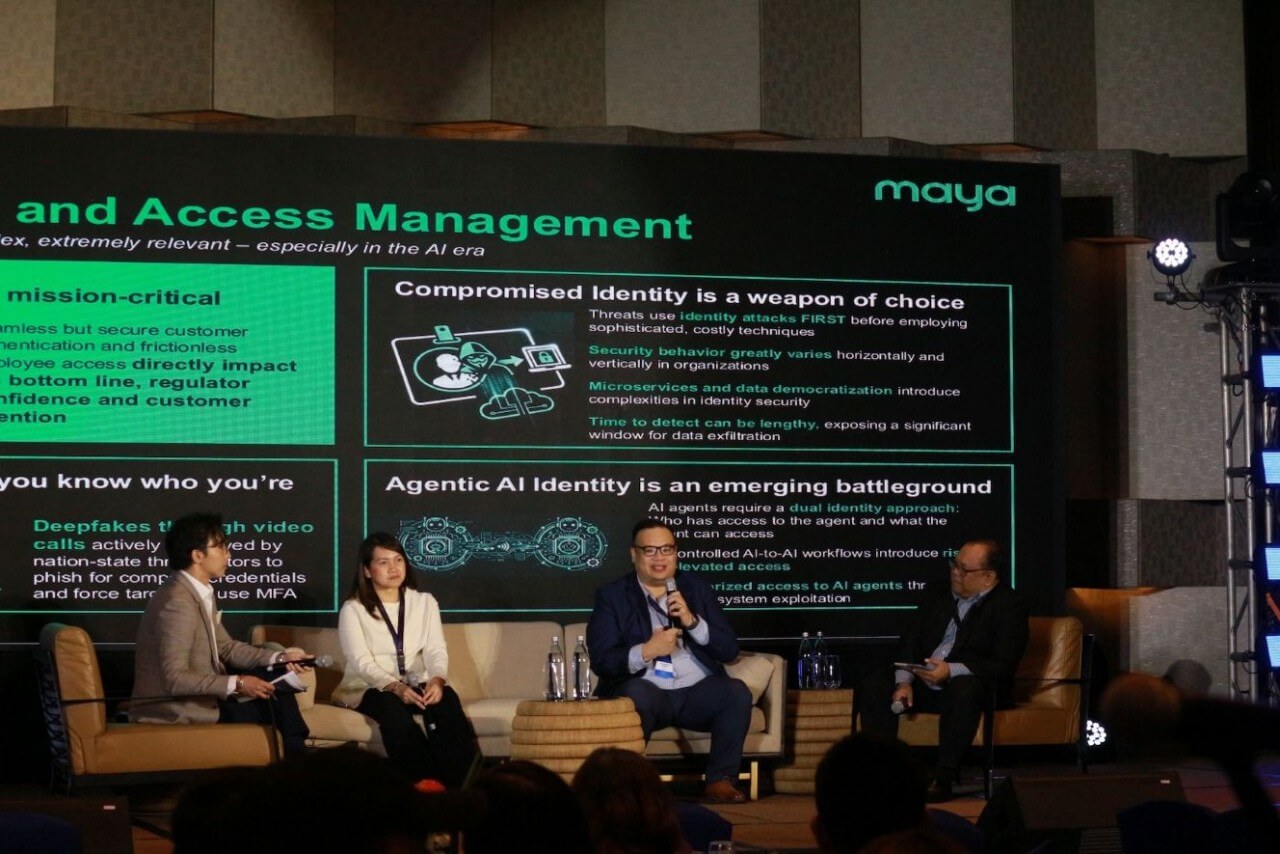
At the recent BusinessWorld Cybersecurity Summit, Maya executives said the shift is changing how financial institutions approach security, what customers should expect from digital finance providers and how regulation needs to evolve alongside emerging threats.
Why it matters
Maya has put security controls directly in customers’ hands through in-app features that allow users to immediately freeze or unfreeze cards and manage how they are used. Biometric authentication, fraud monitoring and other safeguards operate in the background, while Maya credit cards use dynamic CVVs for added protection in online transactions.
For Maya head of corporate affairs Kristoffer Rada, these developments reflect a broader shift in the relationship between cybersecurity and consumer trust.
“For us in Maya, cybersecurity is not some back-office product, it’s really part of the product,” Rada said. “As more people depend on digital financial services every day, maintaining trust becomes a responsibility shared by financial institutions, regulators, government and the broader ecosystem.”

The bigger picture
The company said it works closely with regulators and law-enforcement agencies, including the Bangko Sentral ng Pilipinas, the Department of Information and Communications Technology's Cybercrime Investigation and Coordinating Center, the Department of Justice and the Philippine National Police.
Rada said effective cybersecurity policy must balance strong safeguards and institutional accountability with the flexibility to respond to technologies and risks that are changing rapidly.
“Technology evolves so fast. The rules that apply this year may no longer be applicable and could become archaic in five years,” Rada said. “Whatever technology evolves, you have to evaluate using the same standard because the risks are the same.”
Inside the enterprise
Technology-neutral and risk-based standards can help regulation remain relevant, but closer coordination across government and industry is also becoming more important as cyber risks cut across banking, privacy, telecommunications, consumer protection and law enforcement.
Maya director of information security Jan Martin Encina said organizations also need to treat cybersecurity as an enterprise-wide responsibility rather than something owned solely by IT teams.
“Cybersecurity is no longer just an IT issue; it is a business imperative, a national security priority and a fundamental component of public trust,” Encina said.
For Maya, that means combining customer controls, resilient infrastructure, continuous monitoring, employee awareness and regulatory coordination as digital finance and the threats surrounding it continue to evolve. — Princess Daisy C. Ominga| Ed: Corrie S. Narisma