Insider Spotlight
Branded “From Mozart to Mahler,” the performance is part of the orchestra’s broader 100th anniversary campaign, “In Pursuit of Excellence,” which spans multiple productions throughout 2026.
The concert is presented by the Manila Symphony Orchestra Foundation Inc. and Standard Insurance, and co-presented by EastWest Bank in partnership with the Austrian Embassy and the University of Santo Tomas.
Why it matters
The event reflects how legacy arts institutions are leveraging milestone seasons to strengthen both funding networks and academic ties. By aligning with corporate sponsors and diplomatic and educational partners, MSO is expanding audience reach while reinforcing its role as a training ground for Filipino musicians.
Founded in 1926, the orchestra is among Asia’s oldest symphonic groups and has long positioned itself as a platform for young talent development.
What’s onstage
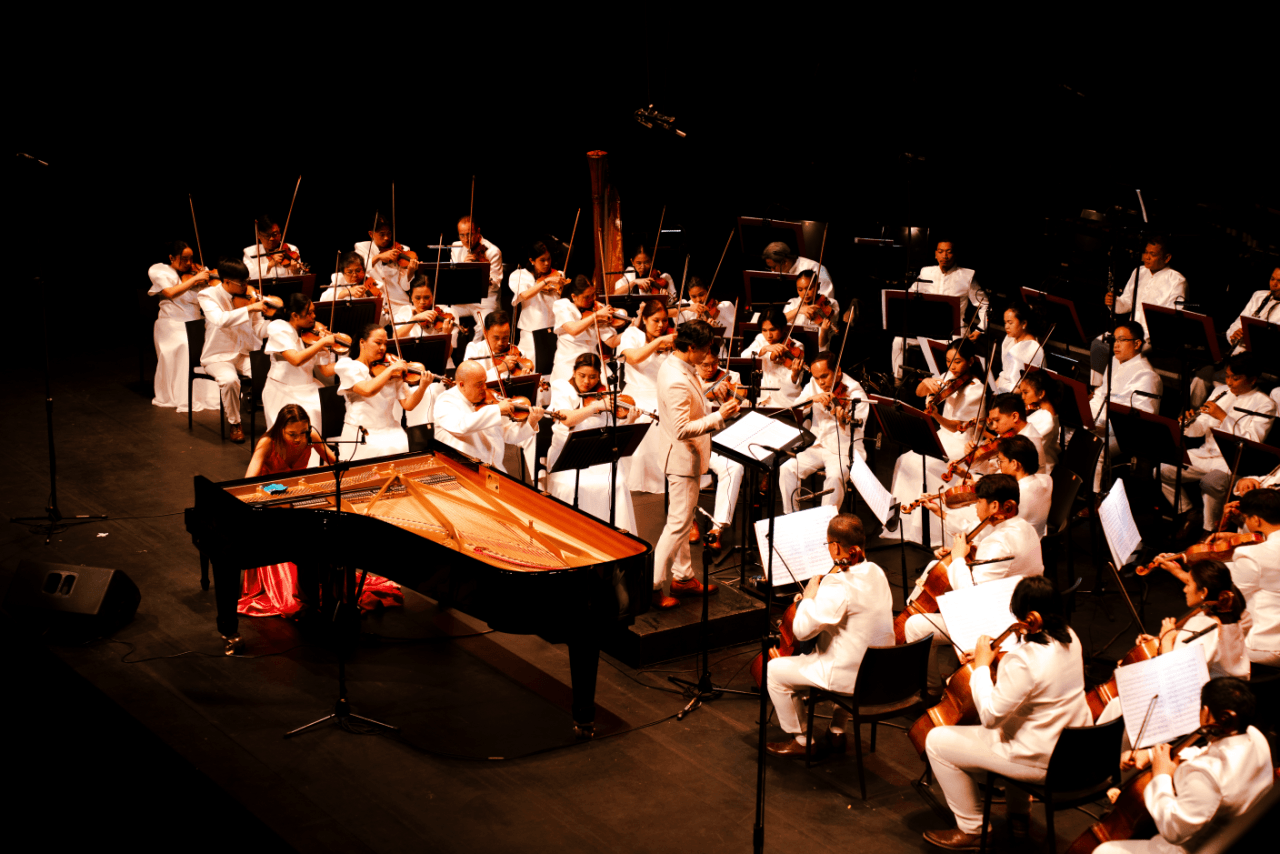
Under guest conductor Joshua Dos Santos, the program moves from Mozart’s Sinfonia concertante in E-flat, K. 364 to Mahler’s Symphony No. 1—a deliberate arc from Classical precision to Romantic scale.
The Mozart piece features violinists Emanuel John Villarin and Christian Wrona, both linked to Berlin’s Hanns Eisler institutions, highlighting MSO’s continued investment in internationally trained Filipino artists.
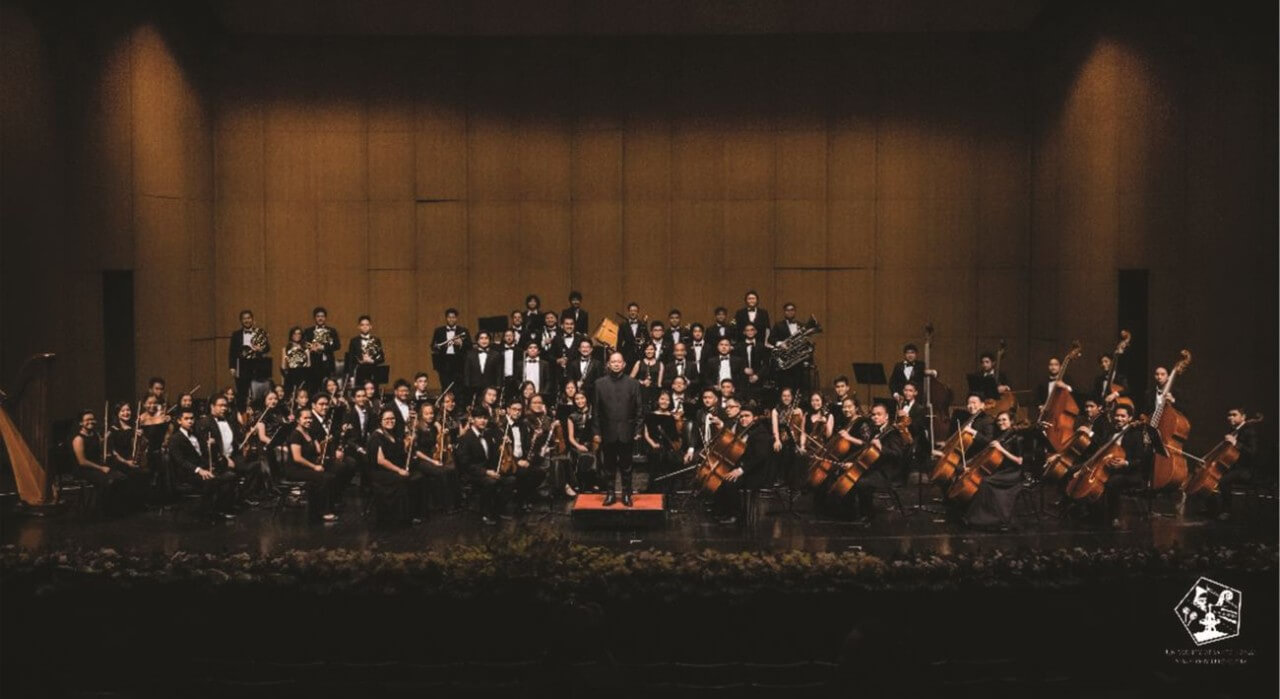
The Mahler symphony, meanwhile, expands the orchestra’s forces and expressive range, culminating in a side-by-side performance with selected members of the UST Symphony Orchestra.
The collaboration angle
The inclusion of UST musicians is more than symbolic. It commemorates the 80th anniversary of the UST Conservatory of Music while underscoring a long-standing pipeline between the university and MSO, where many performers have studied or taught.
The big picture
As centennial celebrations unfold, MSO is using high-profile concerts like this to balance heritage with forward-looking strategy—pairing global repertoire with local talent and institutional partnerships.
The result is a program that not only spans Mozart to Mahler, but also bridges generations of Philippine classical music. —Ramon C. Nocon | Ed: Corrie S. Narisma