
Insider Spotlight
The city said the move brings Makati to 60.92 percent of its clean energy target for the year, marking a major milestone in Makati Mayor Nancy Binay’s first year in office.
Why it matters
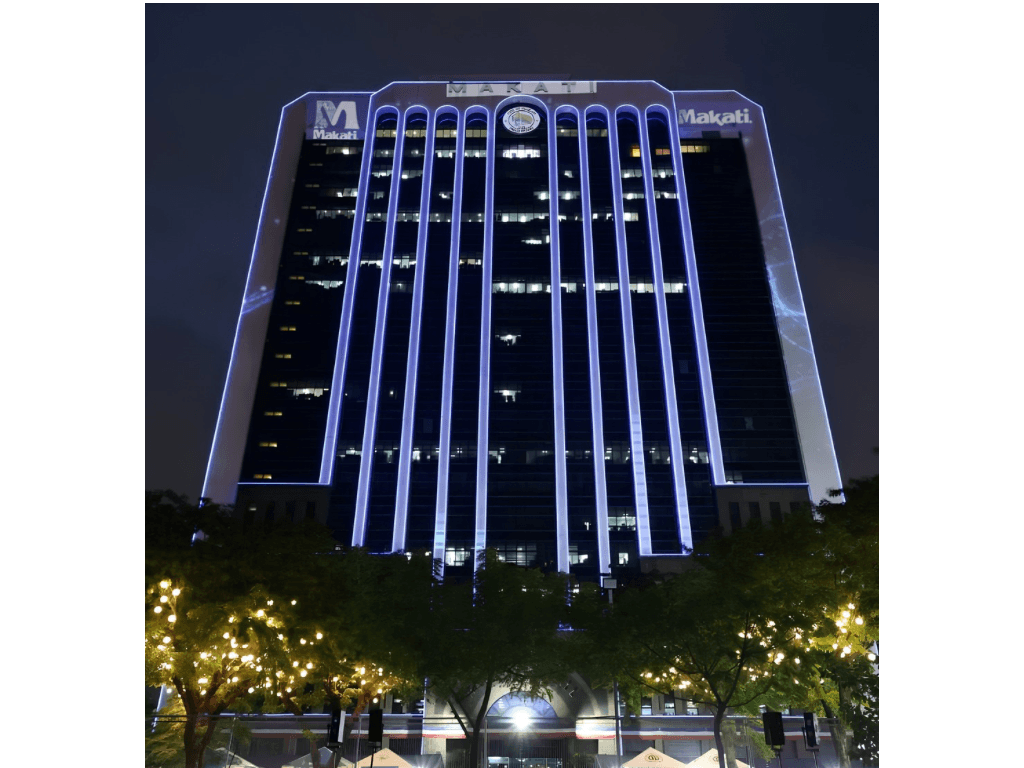
The facilities covered by the initial switch are among Makati’s largest and most energy-intensive government assets, with a combined average monthly peak demand of 5.76 megawatts.
The New Makati City Hall accounts for the biggest share at 2.09 megawatts, followed by the University of Makati at 1.33 megawatts and Makati Coliseum at 0.46 megawatts.
The list also includes two electric meters of Ospital ng Makati, Makati City Hall Building 2, the Old City Hall Building, Nemesio I. Yabut Elementary School, Makati High School and Pio del Pilar Elementary School.
What they’re saying
“Today is much more than a ceremonial switching of power. It is a declaration of the kind of city we want Makati to become. A city that embraces innovation without losing sight of compassion. A city that pursues progress without compromising the future. A city that understands that true development is measured not only by economic growth, but by the quality of life we leave behind for the next generation,” Binay said during the launch ceremony on Wednesday, July 1, 2026.
“Each kilowatt we move to clean energy lowers our emissions and lowers our costs. At ang bawat pisong matitipid natin ay babalik sa mga tao, sa mga serbisyong inaasahan sa atin ng ating mga residente (And every peso we save will go back to the people through the services our residents expect from us,” she said.
The big picture
The city said the program is expected to reduce carbon emissions across government operations and support Makati’s commitments to the United Nations Sustainable Development Goals.
Makati and ACEN also launched a Renewable Energy Leaderboard, a public dashboard showing hourly electricity use across the 11 facilities and the carbon emissions avoided through renewable energy use.
The dashboard, available in English and Filipino, will be displayed in public areas, including Makati City Hall.
It will translate avoided emissions into everyday comparisons, including the number of trees needed to offset them, the distance a gasoline-powered vehicle would travel to produce the same emissions and the average yearly carbon footprint of a typical person. —Daxim L. Lucas | Ed: Corrie S. Narisma