Insider Spotlight
The development also underscores growing collaboration among government agencies, banks, and global payment networks to reduce friction in everyday mobility.
Why it matters
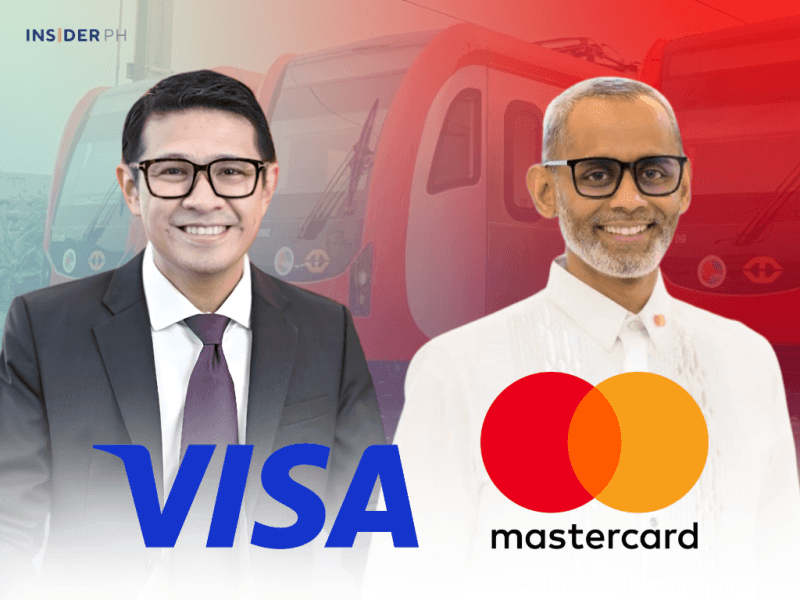
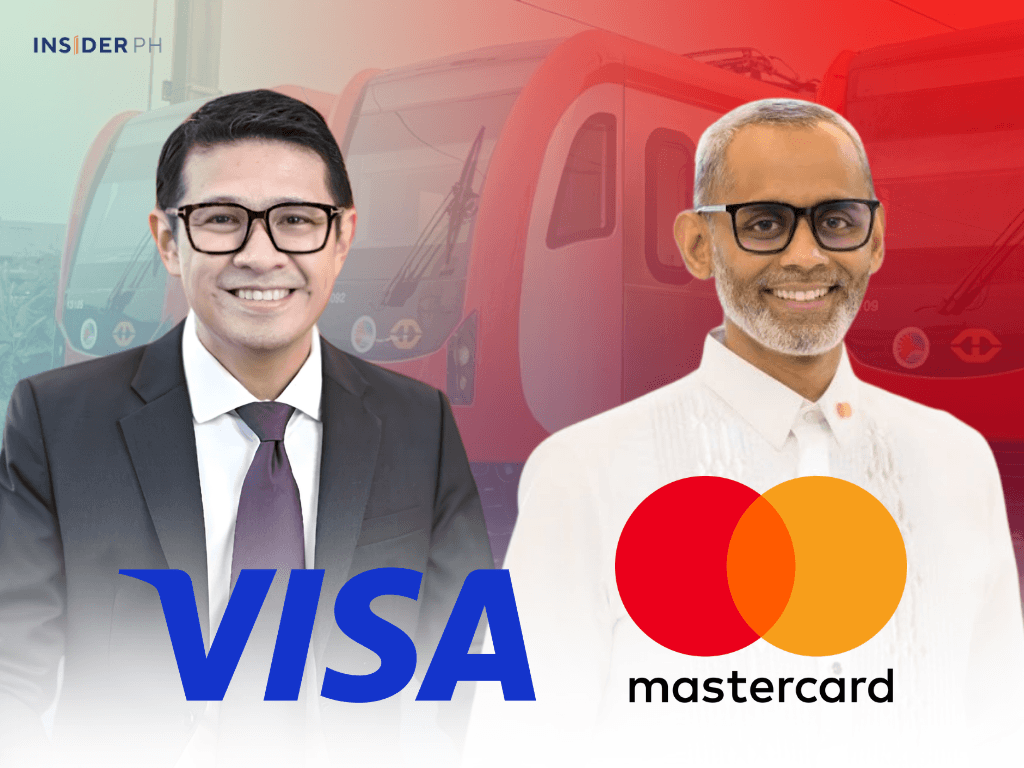
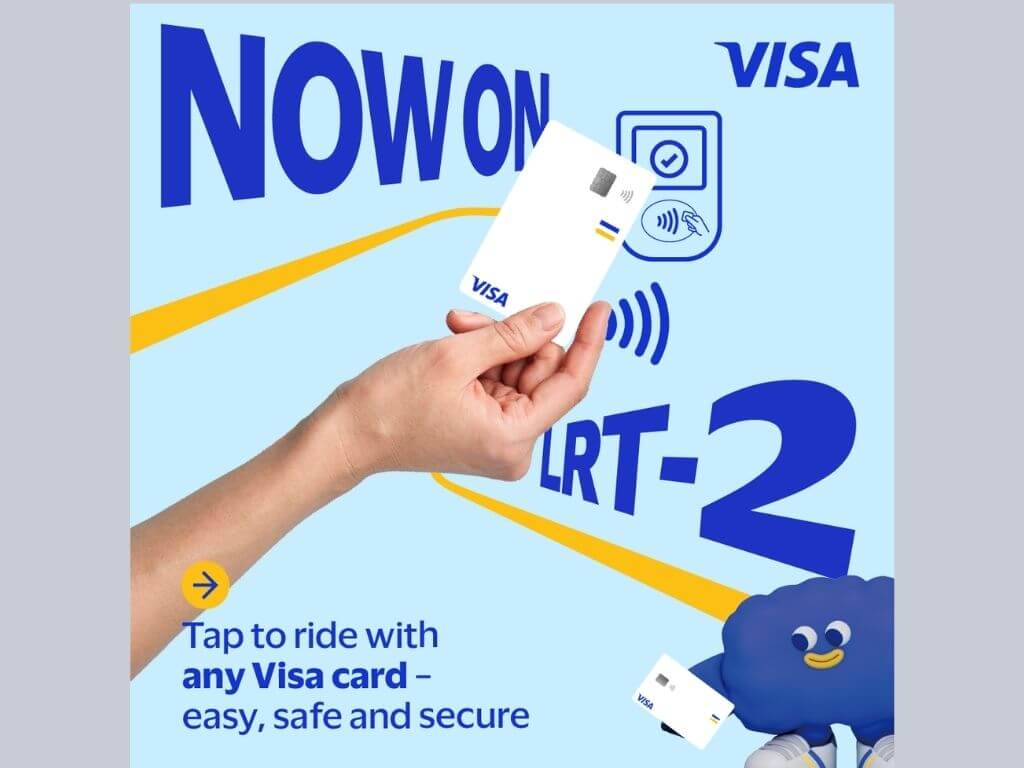
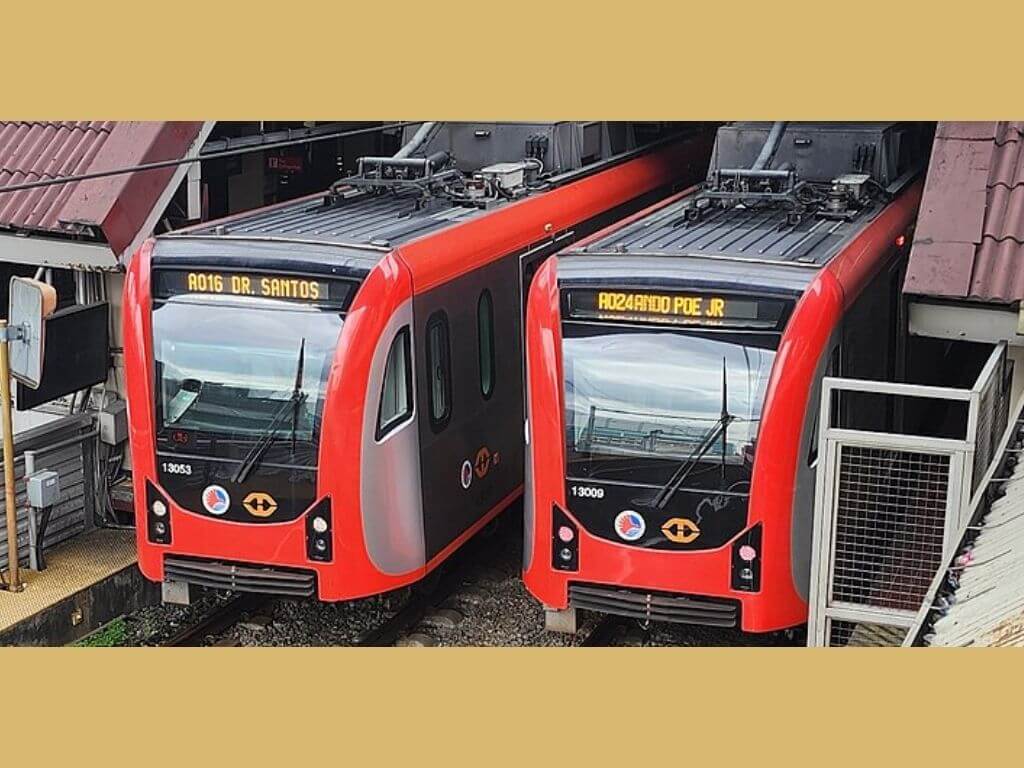
Visa and Mastercard separately announced that commuters can now use their contactless cards and eligible mobile wallets to pay directly at LRT-2 stations, complementing existing digital payment methods including QR-based options.
The rollout builds on previous implementations across Metro Manila's rail network and other public transport systems.
The details
Visa said the project, completed with the Department of Transportation, RCBC, and other stakeholders, marks its fourth cashless transit initiative in the Philippines. It said commuters across all 13 LRT-2 stations can use Visa cards, QR codes, and NFC-enabled devices for fare payments.
Visa also cited estimates that open-loop contactless transit systems could increase ridership by up to 10 percent, with more than 160,000 commuters using the line.
Mastercard, meanwhile, said cardholders can proceed directly to designated Fast Lanes using their Mastercard credit, debit, or prepaid cards, or eligible mobile wallets linked to Mastercard.
The company said the capability expands existing payment choices while leveraging contactless security features and interoperable payment infrastructure.
What they're saying
"The automated fare collection systems across Metro Manila’s three rail lines signifies Visa’s commitment toward accelerating financial inclusion, allowing both commuters and tourists to access digital payments while improving overall urban mobility in the Philippines,” Visa country manager for the Philippines Jeffrey Navarro said in a press statement.
“With expanded access to digital financial systems, we aim to support the government in boosting productivity while stimulating economic activity to fuel growth," according to Navarro.
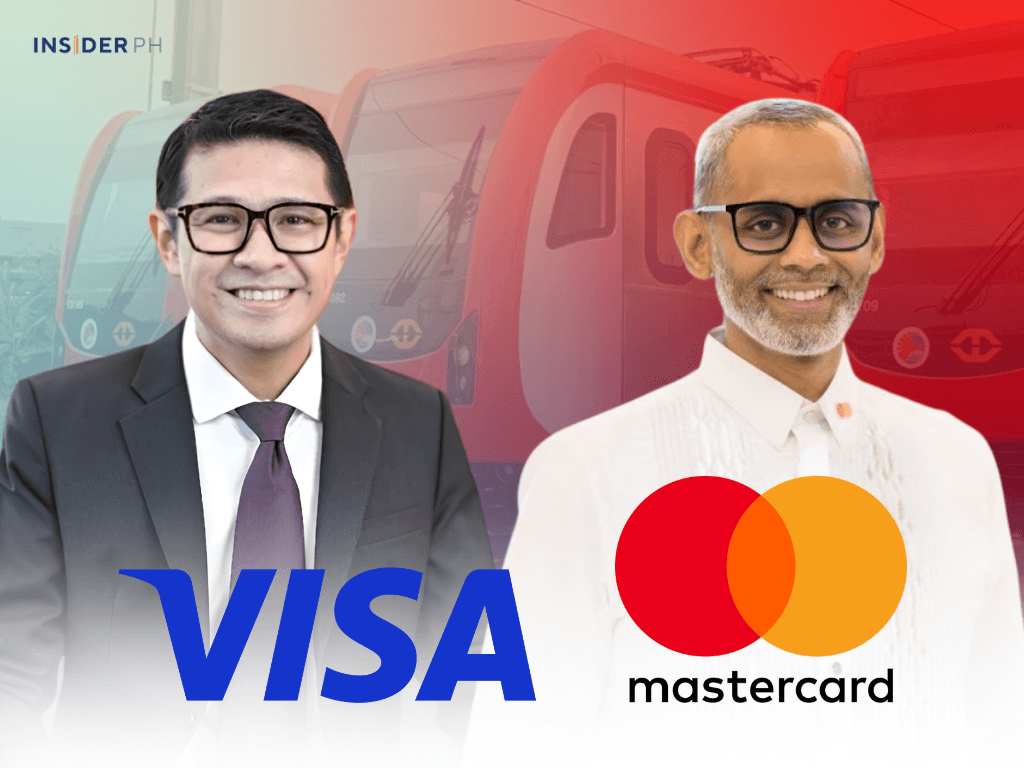
"Public transportation is part of everyday life for millions of Filipinos, and paying for a ride should be just as effortless,” Mastercard country manager for the Philippines Jason Crasto said.
“With Mastercard contactless payments now available on LRT-2, we're making everyday travel more seamless and secure, helping commuters save time and move through their journeys with greater confidence,” Crasto added.
The bottom line
The expansion of open-loop payments at LRT-2 signals continued investment in interoperable transport payment systems that could make public transit more accessible to both daily commuters and international visitors while supporting the country's broader digitalization agenda. —Vanessa Hidalgo| Ed: Corrie S. Narisma