Insider Spotlight
Speaking during the 2026 Mid-Year Food and Agribusiness E-Conference organized by the University of Asia and the Pacific-Center for Food and Agribusiness, FAST Logistics Group cold chain business unit head Marc Anthony Dizon said the country's cold chain strategy should prioritize the location and utilization of facilities rather than simply increasing storage capacity.
“We need cold storage closer to where food is produced, while making these facilities accessible through shared logistics models that allow more farmers and food businesses to benefit from modern cold chain infrastructure,” Dizon said in a press statement.
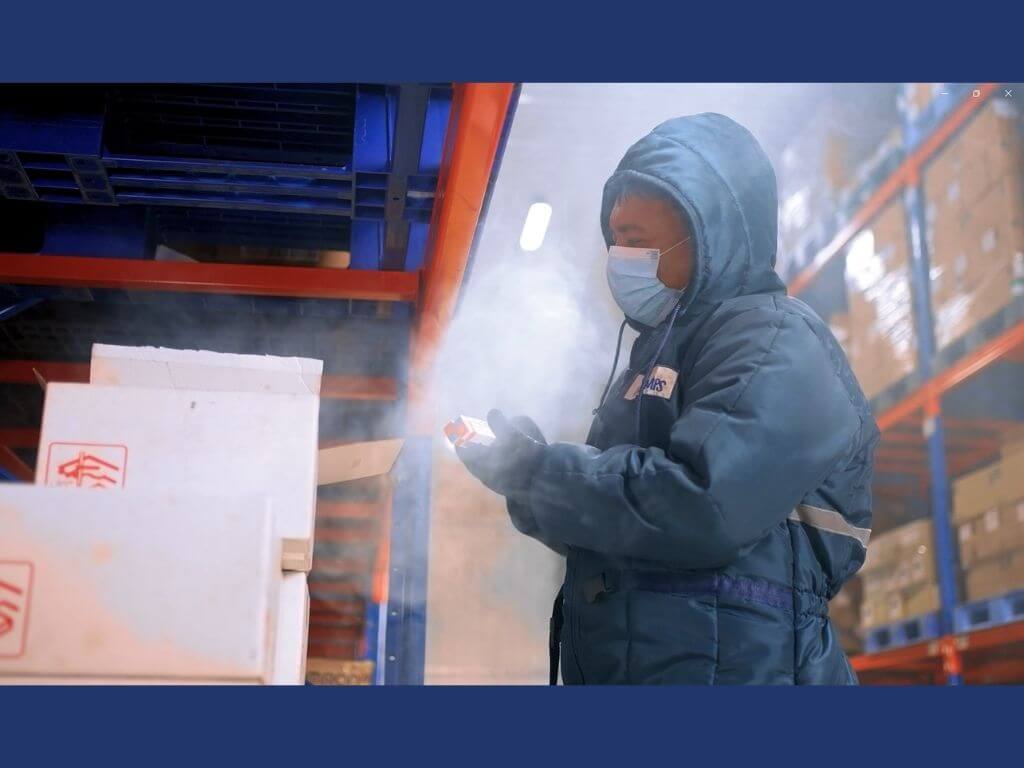
The big picture
Dizon said the Philippines needs around 1.4 million pallet positions to support annual food consumption but currently has only about 860,000.
He noted that much of the country's existing cold storage capacity is concentrated near major consumption centers such as Metro Manila instead of agricultural production hubs.
Locating cold rooms and value-adding processing facilities near farms and livestock production sites allows products to be inspected, sorted, cleaned and processed closer to the source. This enables producers to transport only market-ready goods, reducing unnecessary cargo weight, lowering logistics costs and improving transport efficiency.
“Producers avoid transporting nonessential weight and waste over long distances, making logistics operations more efficient while lowering overall supply chain costs,” he added.

Why it matters
Dizon said strategically located facilities also support shared logistics models, allowing multiple producers to use common processing, warehousing and transportation infrastructure instead of investing in their own facilities.
He emphasized that shared cold chain operations do not mean storing different commodities together under identical conditions. Instead, facilities should maintain dedicated storage environments that meet each commodity's temperature, humidity and food safety requirements.
“Shared cold chain is about sharing infrastructure efficiently while maintaining commodity-specific storage zones and food safety standards,” he explained.
What's next
Dizon also called for wider adoption of digital technologies, including a comprehensive agriculture database supported by analytics to improve inventory visibility, demand forecasting and distribution planning.
He added that geopolitical risks, including the US-Iran war's impact on fuel prices, reinforce the need for more cost-efficient and collaborative logistics models.
“Food security is not just about producing more food. It's about ensuring we have the logistics infrastructure and technology to preserve food quality, reduce waste, and move products efficiently from farms to consumers,” Dizon said.
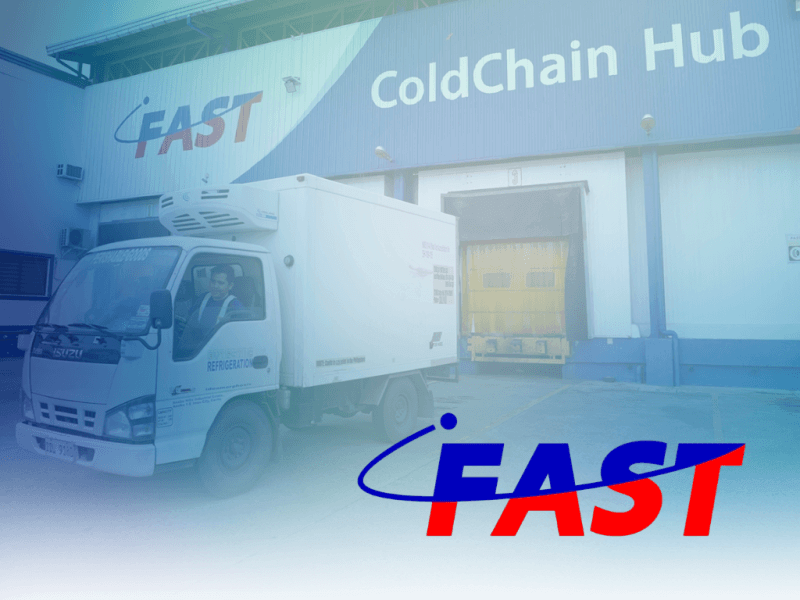
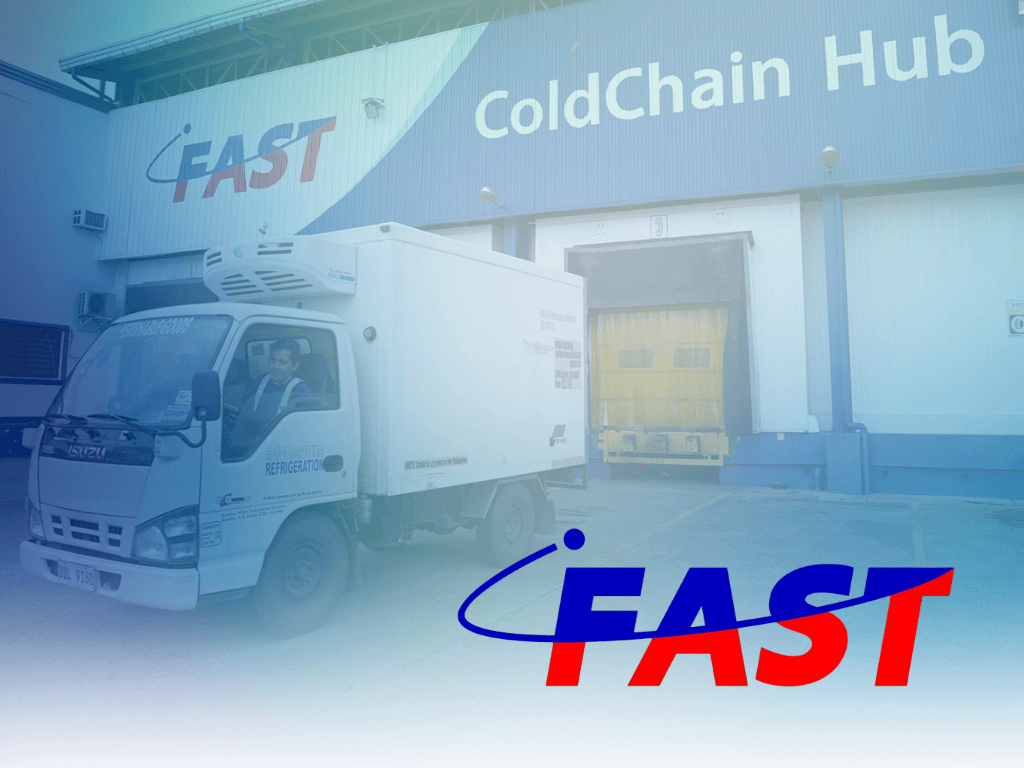
FAST currently operates integrated cold chain services with 30,000 pallet positions across multiple temperature zones.
The company has more than 160 dry and cold chain facilities, over 2 million square meters of warehouse space and a nationwide fleet of more than 3,100 trucks supporting food manufacturers and agribusinesses across the Philippines. —Vanessa Hidalgo | Ed: Corrie S. Narisma