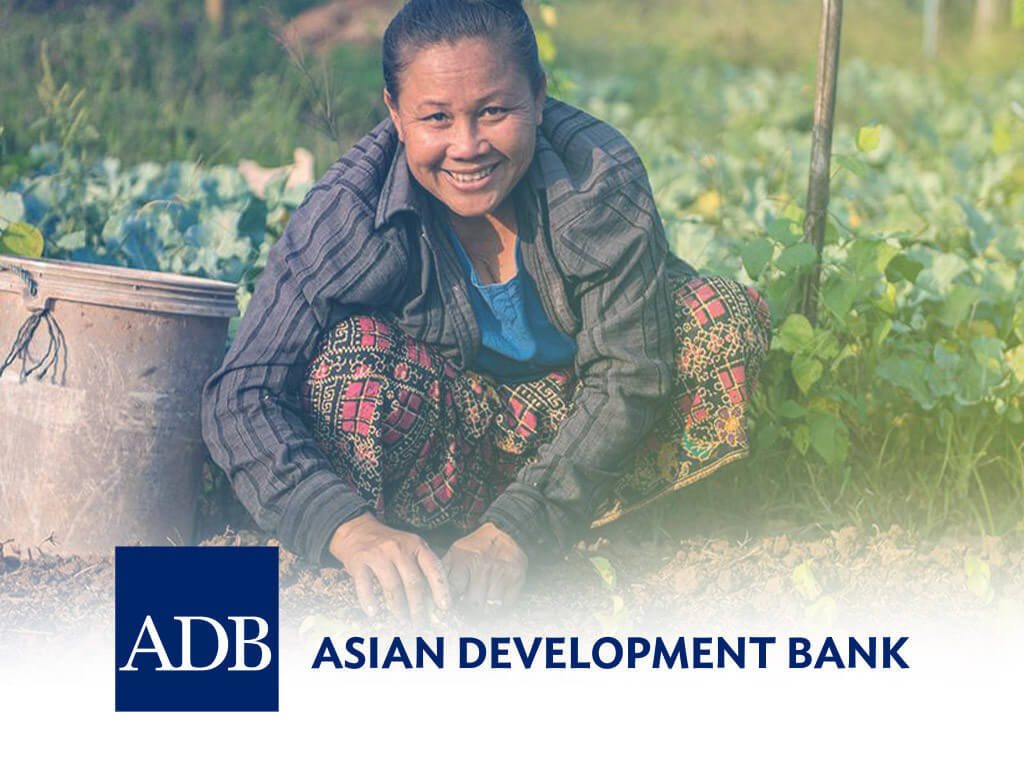
ADB said it delivered more than $14 billion in food security support from 2022 to 2025, benefiting around 62 million farmers and generating over 500,000 jobs across the region.
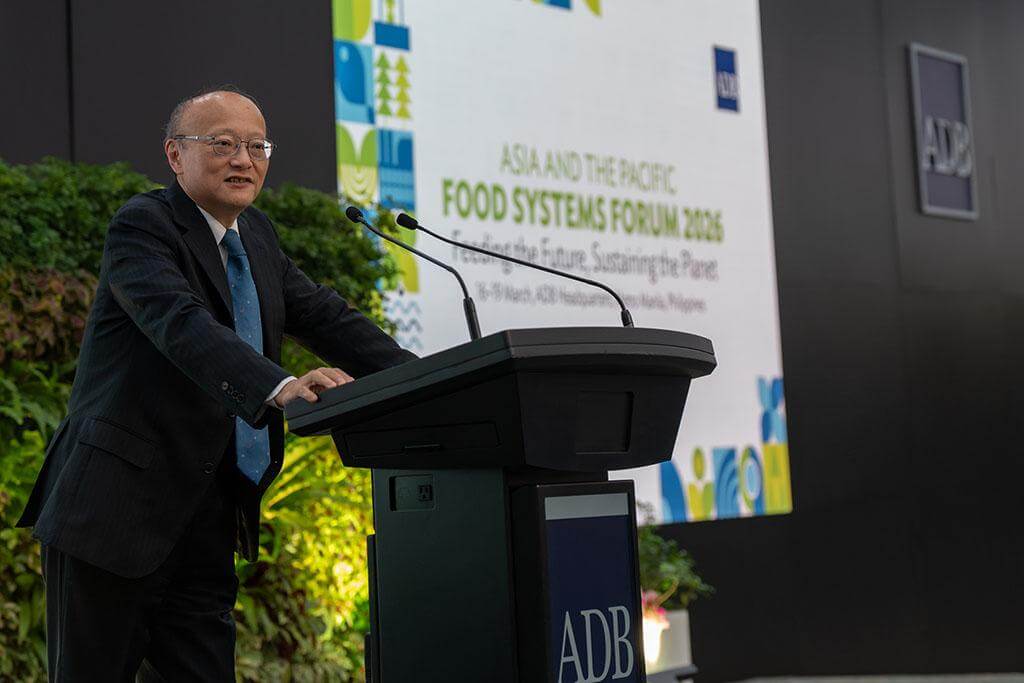
“Food systems in Asia and the Pacific are at a turning point,” ADB President Masato Kanda said at the Asia and the Pacific Food Systems Forum 2026.
He said the bank is now scaling up its support to ensure food systems can better nourish populations, protect natural resources, and drive inclusive rural growth.
Scaling up
ADB plans to provide an additional $26 billion in food security financing from 2026 to 2030, alongside increased mobilization of private capital and stronger partnerships, the bank said in a statement on March 17.
The expanded initiative forms part of the bank’s ambition to mobilize $40 billion by 2030 to support more resilient and sustainable food systems.
The program aims to reach more than 190 million smallholder farmers by the end of the decade, the ADB said.
Regional focus
Investment programs highlighted at the forum include up to $8 billion for Southeast Asia, $7 billion for South Asia, and $3.5 billion for Central and West Asia, as well as $7.5 billion in private sector operations.
ADB is also supporting country-level transformation platforms such as the Indonesia Food Systems Investment Platform, the Philippines Agribusiness Investment Vehicle, and the India Rural Prosperity and Resilience Program.
Partnerships forged
During the forum, ADB formalized several cooperation agreements to strengthen its food systems agenda.
These include partnerships with the World Food Program to integrate nutrition into food systems and with Japan’s Ministry of Agriculture, Forestry and Fisheries to advance regional transformation efforts.
ADB is also set to sign agreements with the AIM for Scale Initiative, backed by the Gates Foundation and the United Arab Emirates, to expand digital and weather advisory services for farmers.
Broader push
Other initiatives include collaboration with the World Bank to support agribusiness and fresh produce markets in Papua New Guinea, and the rollout of guidance on natural capital to scale nature-positive investments.
ADB is also working with CGIAR and the Food and Agriculture Organization to integrate innovative agricultural solutions and strengthen regional cooperation.
The bank said the expanded agenda underscores its commitment to building more resilient, inclusive, and sustainable food systems across Asia and the Pacific. —Ed: Corrie S. Narisma