The adjustment was authorized by the Maritime Industry Authority under Marina Advisory No. 2026-10, which allows passenger fares, cargo freight rates, or fuel surcharges to rise by up to 20 percent of the base fare.
In separate advisories posted on their websites, the shipping companies assured customers that the fuel surcharge is temporary and would be removed once fuel prices stabilize.
40-percent surge in fuel prices
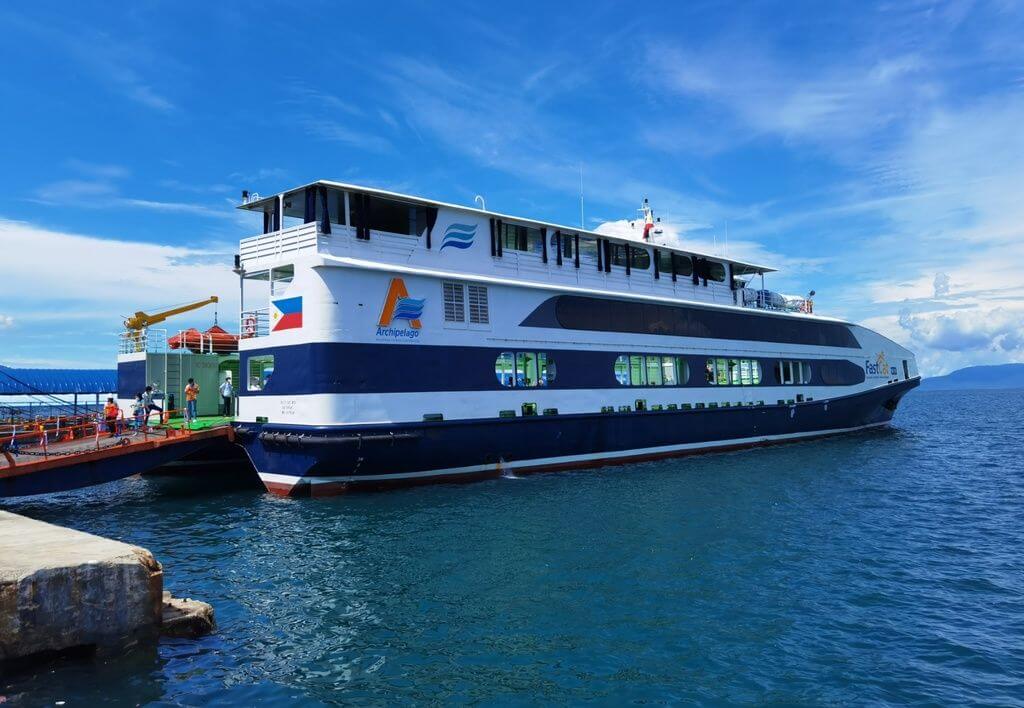
Among those that announced fare adjustments was Archipelago Philippine Ferries Corp., operator of FastCat, which said passenger and vehicle rate increases took effect on March 6 due to volatility in the Gulf regions that triggered a 40-percent surge in fuel prices.
Other operators that raised their rates citing the same reason include SeaCat by Grand Ferries, Roble Shipping, Montenegro Shipping Lines, and Starlite Ferries, among others.
Some shipping firms have suspended services on select routes due to the fuel crisis.
SeaCat said it would suspend two routes: Cebu–Catbalogan City in Samar and Cebu–Baybay City in Leyte.
Meanwhile, OceanJet of Ocean Fast Ferries also suspended at least two routes — Cebu–Palompon in Leyte and Cebu–Getafe in Bohol — from March 6 to March 20 due to the impact of rising fuel prices on its operations.
Two options: Raise fares or suspend routes
Lucio Lim Jr., owner of Lite Shipping Corp., said shipping firms now have two options to stay afloat amid the fuel crisis: temporarily suspend some routes or raise fares through fuel surcharges.
Lim, president of the Philippine Coastwise Shipping Association Inc. (PCSA), the country’s largest shipping organization, said some companies serving the same routes have set aside competition and agreed on operating schedules to cut fuel costs and avoid running at a loss without inconveniencing the public.
In an advisory dated March 6, the Maritime Industry Authority (MARINA) outlined contingency measures to address the impact of the fuel crisis on the maritime industry.
Among these is allowing shipping companies to impose fare increases or fuel surcharges of up to 20 percent of the base fare during the crisis period. Once fuel prices stabilize, operators must reduce their rates and remove the fuel surcharge.
Limit trips
MARINA also allowed shipping operators to reduce or limit trips, consolidating passenger and cargo volumes to maximize vessel capacity.
However, operators must prioritize the transport of basic and critical commodities.
Any trip cancellation must be approved by MARINA and announced through travel advisories to inform the riding public.
The agency also approved measures to help reduce shipping operators’ costs and cushion the impact of rising fuel prices, subject to the approval of the MARINA Board.
These measures may include waiving the annual tonnage fee due in 2026, granting a 75-percent discount on fees and charges for applications for ship documents and certificates during the crisis, and suspending the implementation of new fees and charges. —Ed: Corrie S. Narisma

Contributor