Insider Spotlight
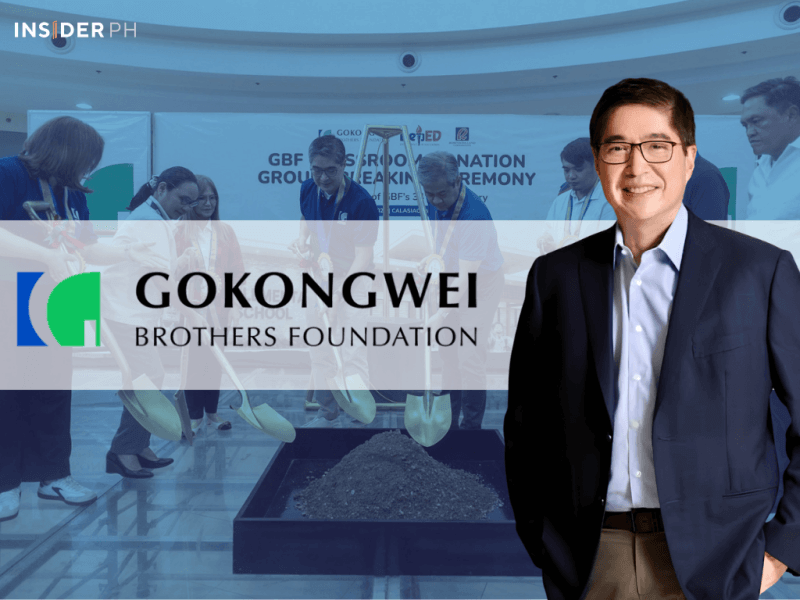
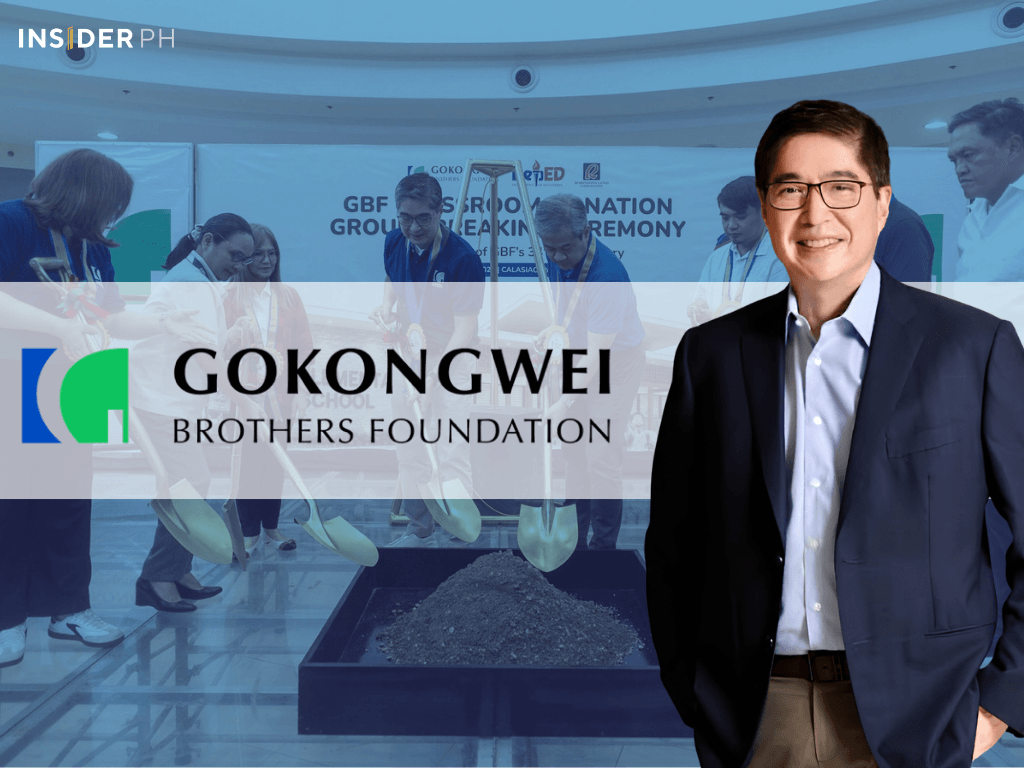
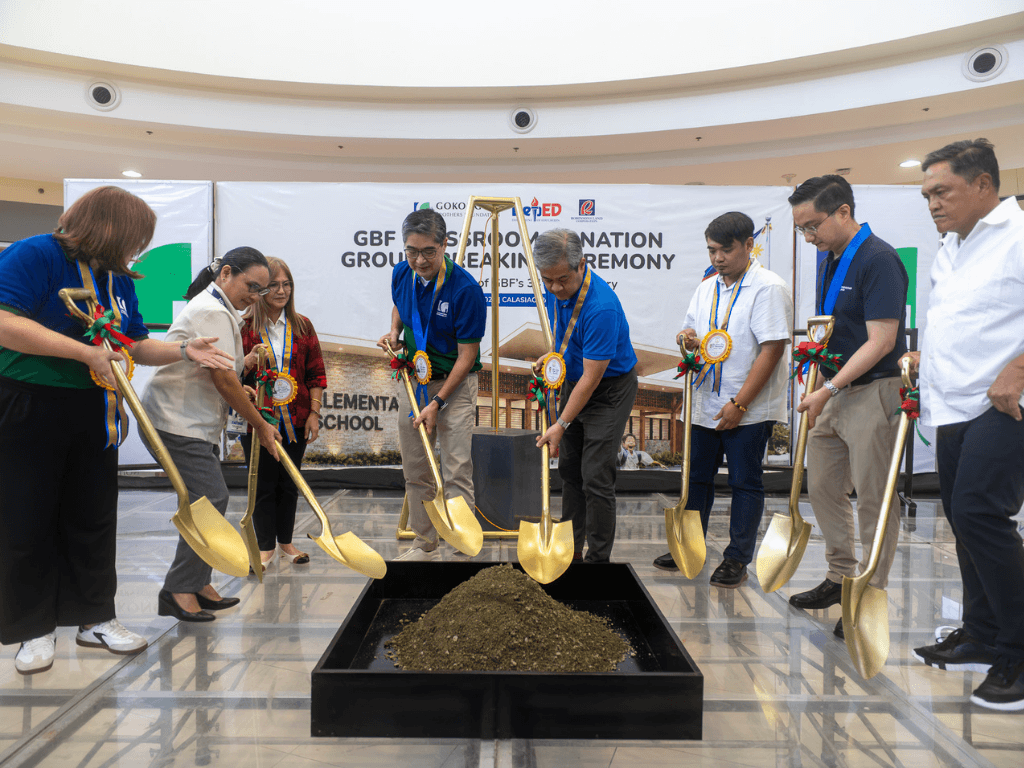
GBF marked its 34th anniversary by breaking ground for the classroom project in Calasiao, Pangasinan, where three public schools will benefit from the initiative.
Where they are going
Nalsian-Bacayao Elementary School, Bued Elementary School and San Miguel Elementary School in Calasiao will each receive two classrooms. Four more will be built for Emiliano Lizares Elementary School in Bacolod City.
GBF chair Lance Gokongwei formally turned over the classroom donation blueprint to Department of Education human resource and organizational development Assistant Secretary Aurelio Paulo “AP” Bartolome, signaling the start of construction.
“We would like to thank the Department of Education for its guidance and collaboration in identifying schools where support is most needed and ensuring that this initiative contributes to our shared goal of giving more Filipino learners access to quality education,” Gokongwei said.
Why it matters
DepEd has acknowledged that private-sector partnerships can help address the country's classroom shortage.
“Nagpapasalamat ang DepEd sa patuloy na suporta ng mga private partners tulad ng Gokongwei Brothers Foundation upang mapunuan ang ating kakulangan sa classrooms.” Bartolome said.
The classroom project adds physical infrastructure to GBF's broader education portfolio, which includes scholarships, teacher development, STEM education and partnerships with educational institutions.
The bigger picture
Established in 1992 by John Gokongwei Jr. and brothers Henry, Johnson and James Go, GBF has funded programs aimed at improving access to education and strengthening teaching capabilities.
Its scholarship programs, including the GBF STEM College Scholarship and TeachSTEM, have supported more than 3,400 scholars. The foundation also runs Iskolar ni Juan, which provides technical-vocational training in industry-related fields such as mechatronics servicing.
GBF also supports teacher training and public schools through programs including STEM Collab, Class Builder and Juan Community, extending its education investments beyond scholarships and classroom construction.
— Edited by Daxim L. Lucas