Since the partnership began in 2022, First Balfour has steadily collected plastic waste from its operations, particularly from its head office in Parañaque City and the FPIP Plaza construction site in Santo Tomas, Batangas.
Three-year sustainability partnership
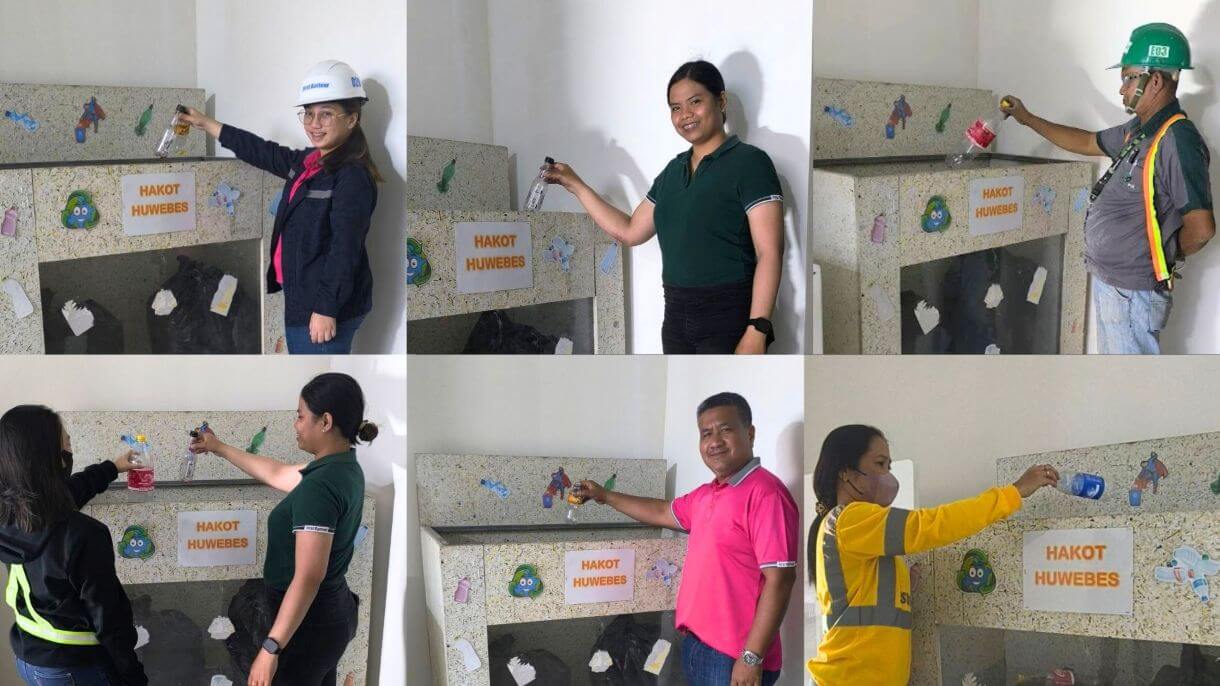
The initiative has also been supported by employee participation, extending waste collection beyond regular site activities.
“As a committed PLAF partner, First Balfour has collected and delivered plastic waste to PLAF’s facility in Muntinlupa,” said Vicente M. De Lima II, head of strategic business planning and corporate sustainability at First Balfour.
“Instead of sending the waste to landfills, these materials were transformed into sustainable construction products.”
Turning waste into building materials
PLAF collects plastic waste and converts it into eco-boards and other recycled products used in the construction of schools, homes, and shelters.
These materials help address plastic pollution while supporting community resilience against the Philippines’ frequent natural hazards.
The organization also produces 100-percent recycled plastic products, including sorting bins, desks, counters, custom-made furniture, and school chairs for under-resourced schools nationwide.
Documented impact
First Balfour maintains detailed records of its plastic waste donations. Collection volumes reached 451.3 kilograms in 2022, 2,163.42 kilograms in 2023, 2,037.14 kilograms in 2024, and 1,632.14 kilograms as of October 2025—bringing the total to more than 6,000 kilograms.
“It is a true honor to partner with First Balfour in plastic collection,” said Krisha Rubia, PLAF senior partnerships and operations manager.
“This milestone would not have been possible without the strong commitment of First Balfour’s employees.”
Expanding waste reduction efforts
Beyond plastic collection, First Balfour has rolled out additional plastic reduction initiatives across its project sites.
These include upcycling plastics into usable site materials, such as trash bins and simple recycled fixtures.
Several construction sites and the company’s head office have also phased out single-use plastic utensils, cups, and straws, particularly in cafeterias, shifting instead to reusable and eco-friendly alternatives.
Aligned with global sustainability goals
De Lima said the partnership aligns with First Balfour’s commitment to the United Nations Sustainable Development Goals (SDGs), particularly SDG 12 on Responsible Consumption and Production.
A subsidiary of First Philippine Holdings Corp. (FPH), First Balfour has been involved in major Philippine infrastructure projects since 1969, including the Cebu-Cordova Link Expressway, North Luzon Expressway, LRT Line 1 Cavite Extension, and Manila Water’s service improvement projects.
“Through responsible waste management practices and meaningful collaborations, First Balfour advances FPH’s mission of forging pathways toward a decarbonized and regenerative future,” De Lima said. —Ed: Corrie S. Narisma