Insider Spotlight
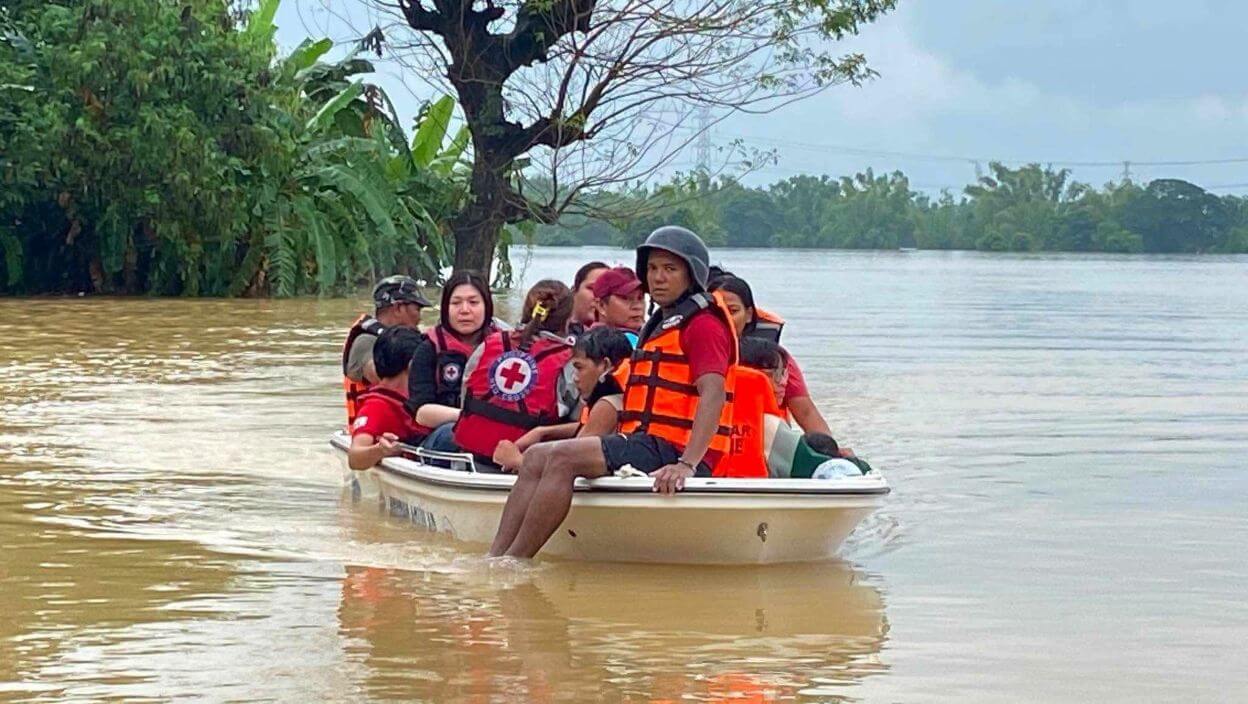
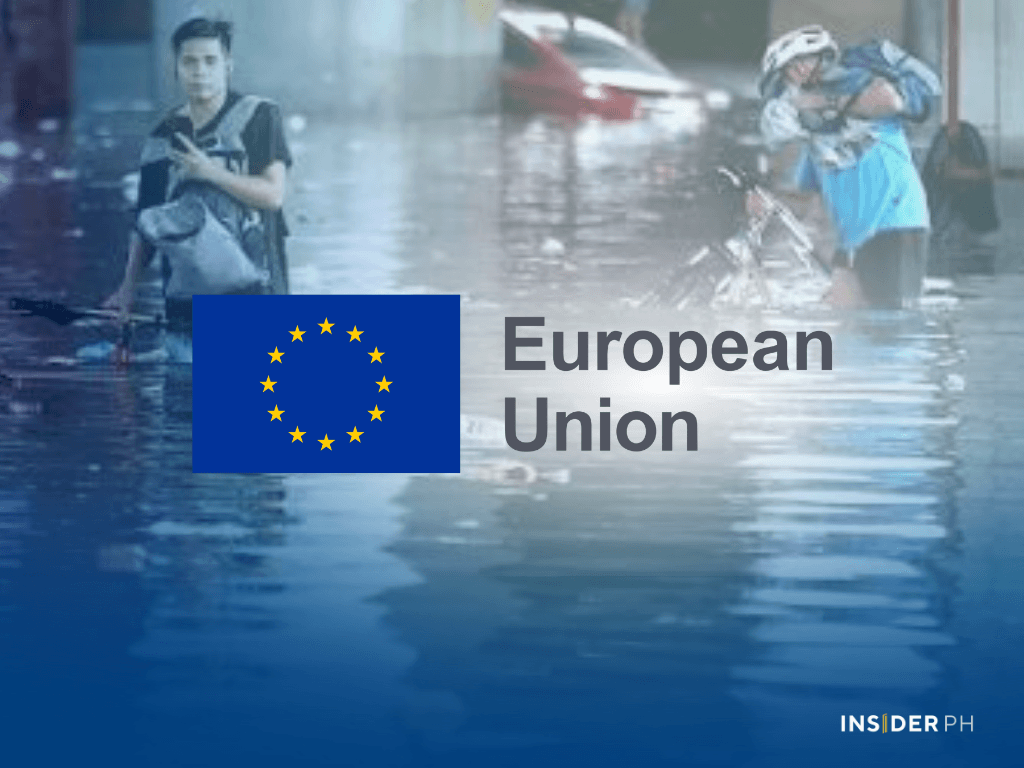
The assistance, equivalent to €150,000, will support communities in the Ilocos Region, Central Luzon and Metro Manila following prolonged heavy rains that triggered widespread flooding and landslides.
Why it matters
The funding will support the Philippine Red Cross in distributing essential household supplies, including sleeping kits, water containers and hygiene items, according to a release from the Delegation of the European Union to the Philippines.
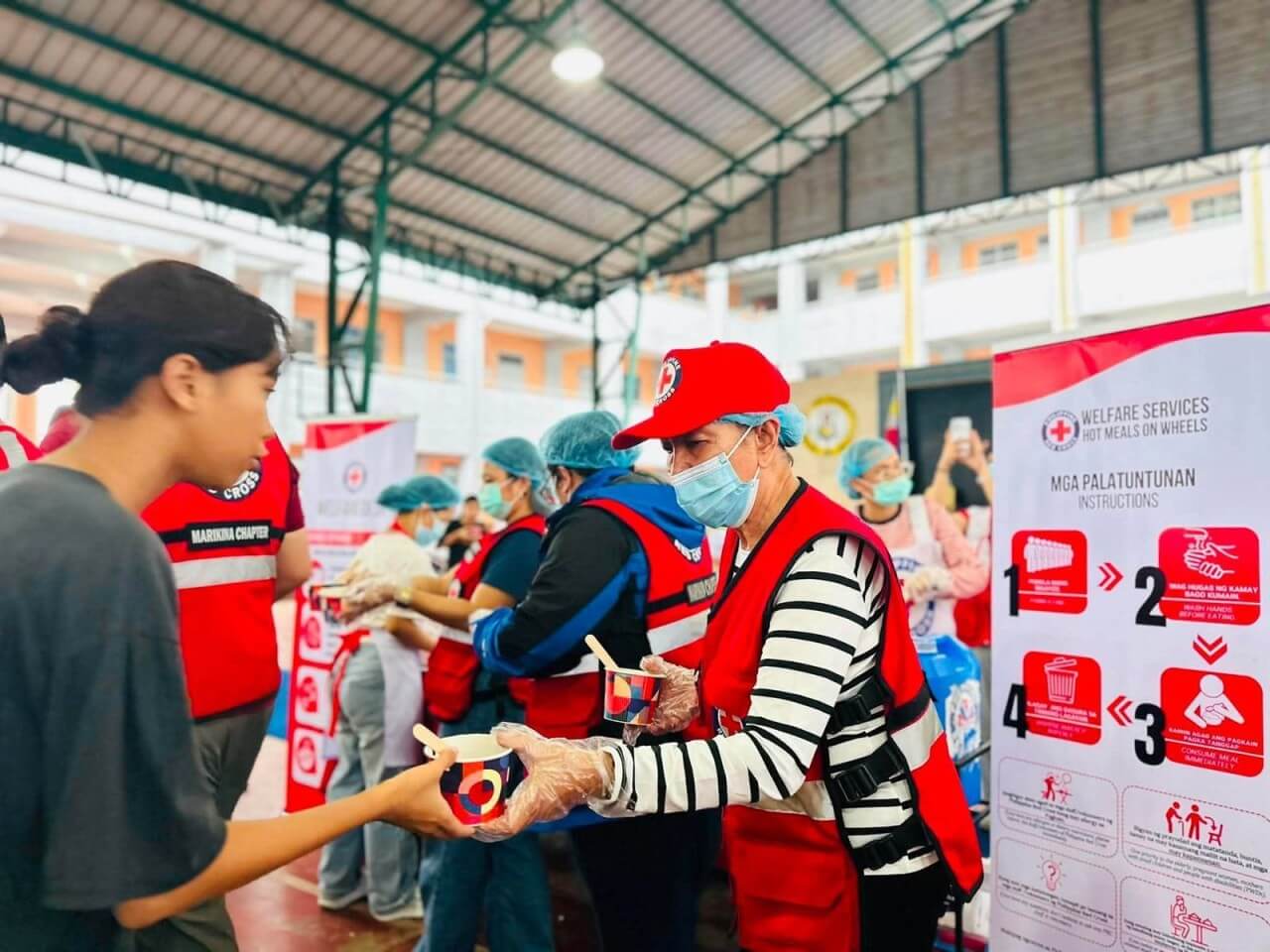
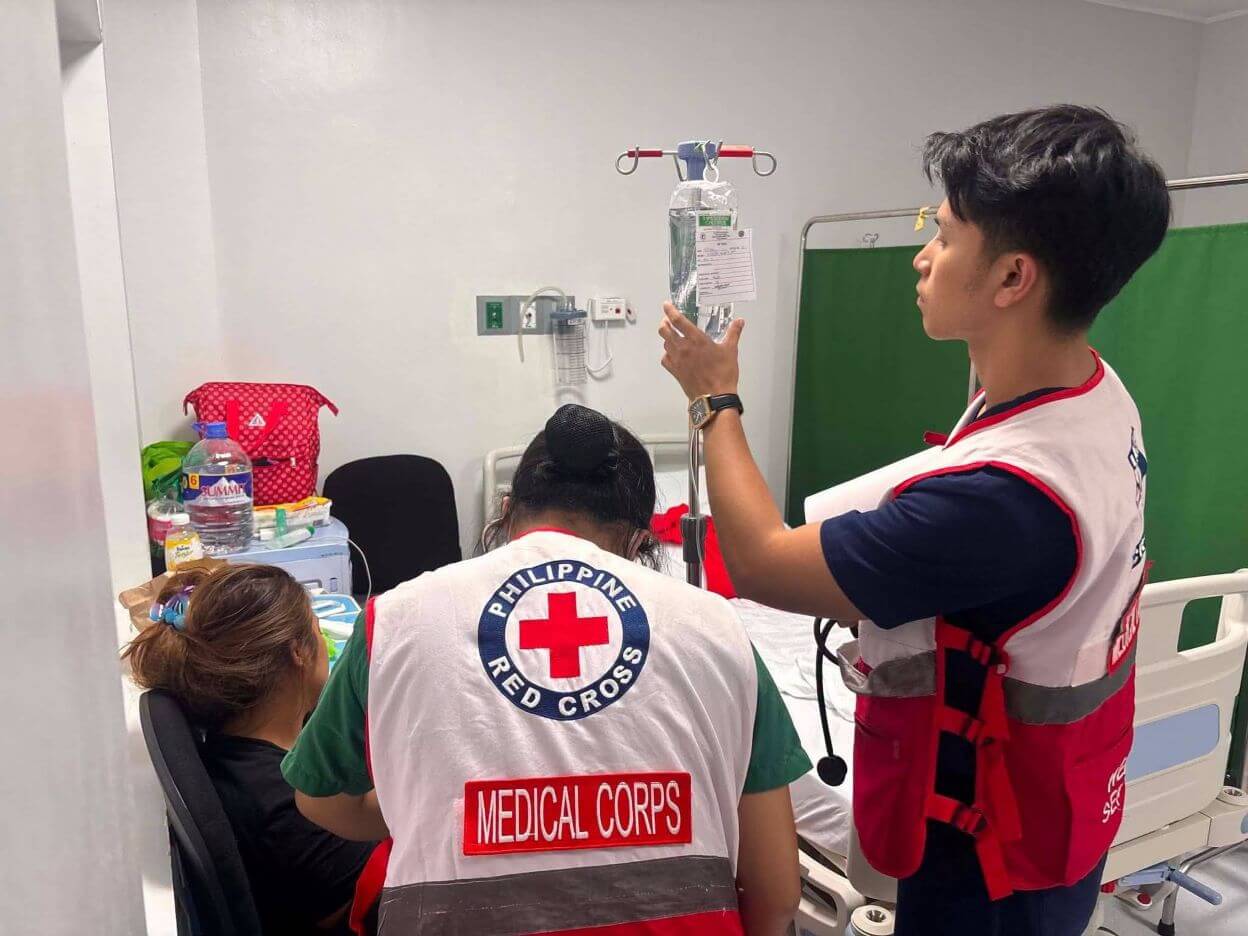
The response will also provide hot meals and safe drinking water to people staying in evacuation centers and affected communities. Mobile health teams are set to provide medical consultations, medicines, health information and mental health support.
Zoom in
Hygiene activities and disease monitoring will also be conducted to reduce the risk of water-borne and vector-borne diseases, which can become more prevalent following floods.
The latest assistance forms part of the EU's contribution to the Disaster Response Emergency Fund of the International Federation of Red Cross and Red Crescent Societies. It comes on top of more than €2 million allocated to humanitarian partners in the Philippines at the start of 2026.
The big picture
Since early August, the southwest monsoon, locally known as Habagat, has been intensified by several tropical cyclones and other weather systems, bringing prolonged heavy rainfall across Luzon.
As of Sept. 14, more than 10.5 million people across 11 regions had been affected, while more than 120,100 people were displaced in over 500 evacuation centers. More than 4,500 homes had been damaged, while 188 cities had been declared under a state of calamity.
What's behind it
The EU is also a signatory to a €16-million humanitarian delegation agreement with the IFRC supporting its Disaster Response Emergency Fund, which provides National Red Cross and Red Crescent societies with immediate financing for disaster response.
Established in 1979, the fund allows national societies to request rapid financial assistance following disasters, with donor contributions subsequently replenishing the facility. — Princess Daisy C. Ominga | Ed: Corrie S. Narisma