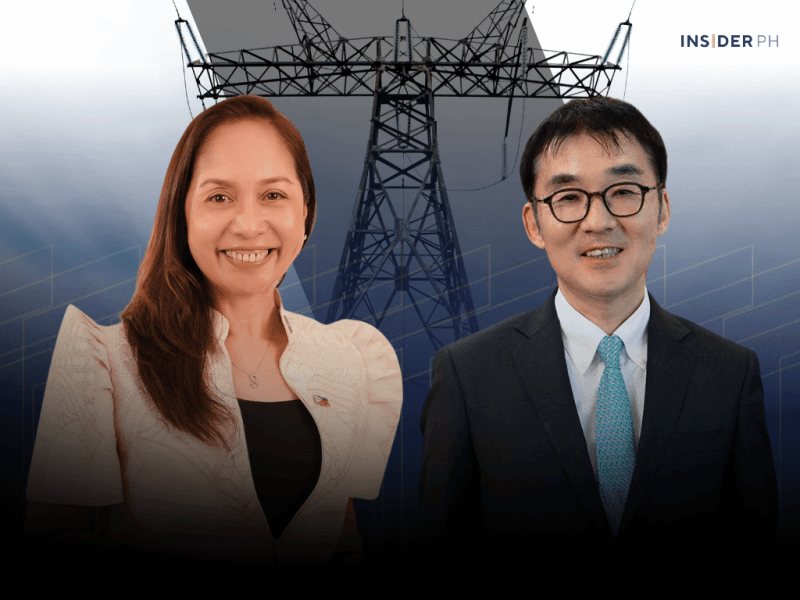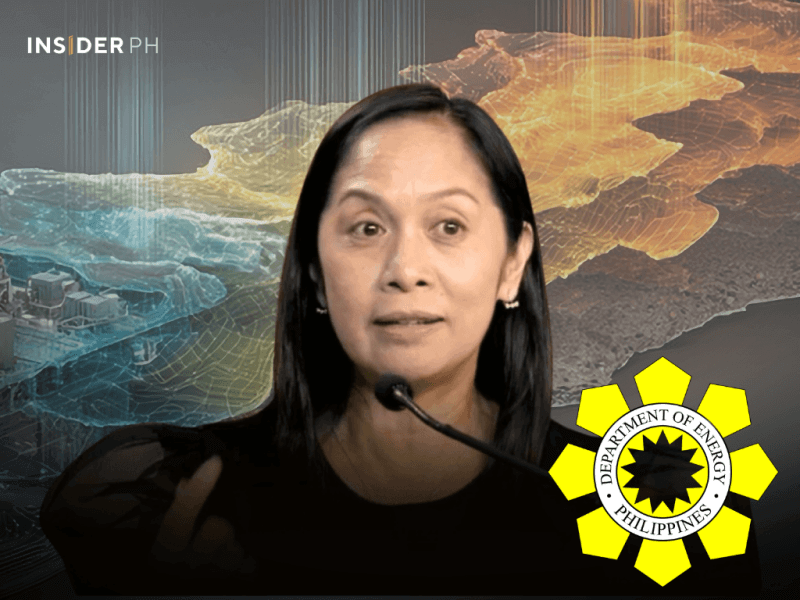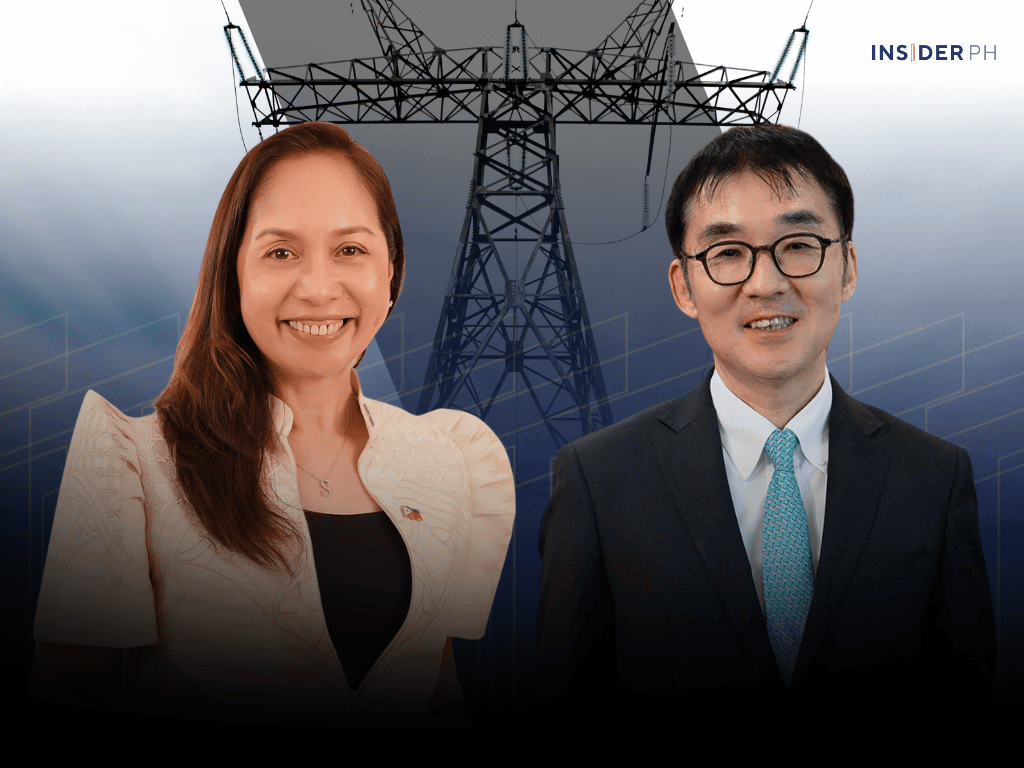
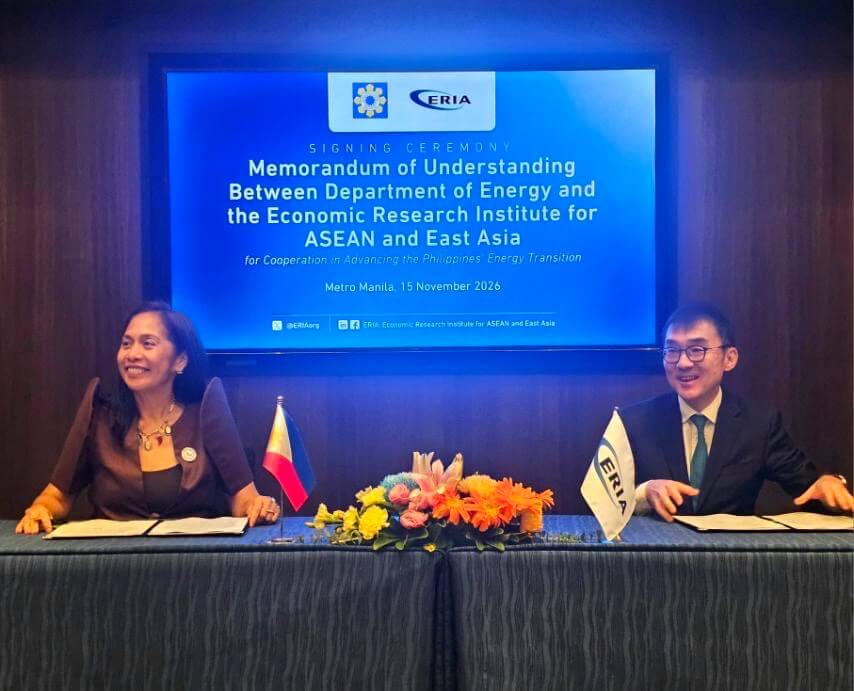
Energy Secretary Sharon Garin and Economic Research Institute for ASEAN and East Asia (ERIA) president Tetsuya Watanabe signed a memorandum of understanding (MOU) on Nov. 15, 2026, on the sidelines of the 49th ASEAN Summit and Related Summits.
The agreement establishes a framework for research, technical cooperation and policy support to help the Philippines address growing electricity demand, explore emerging energy technologies and plan for long-term energy requirements.
Addressing power challenges
The partnership comes as the country continues to face challenges in ensuring adequate and reliable electricity supply, particularly in the Visayas, where recurring power plant outages and tight supply margins have triggered frequent yellow and red alerts.
Although the agreement does not identify specific power generation projects for Cebu or the Visayas, its focus on energy security, regional grid integration and long-term planning could help shape policies addressing these challenges.
“Every decision we make on energy must ultimately serve the Filipino people through a more secure power supply, reliable electricity services, and costs that households and businesses can afford,” Garin said.
“This partnership will help us strengthen the technical foundation of our policies and identify solutions that are practical, economically viable, and responsive to our country's needs,” she added.
Regional grid integration
Among the priority areas of cooperation are the development of long-term decarbonization strategies and technical studies supporting the Philippines' participation in the ASEAN Power Grid (APG).
The initiative seeks to strengthen electricity interconnections among Southeast Asian countries, facilitate cross-border power trade and enhance regional energy security.
For the Philippines, greater regional power connectivity could eventually help diversify electricity supply, although the benefits would depend on future infrastructure investments, regulatory arrangements and implementation.
The DOE and ERIA will also study sustainable energy systems for island communities, including distributed off-grid solutions designed to improve electricity access and reliability in remote areas.
Other areas of cooperation include emerging energy technologies such as hydrogen, waste-to-energy systems and small-scale liquefied natural gas (LNG)-to-power applications.
Small-scale LNG-to-power systems could provide an alternative to diesel-fired generation in island communities that depend on expensive imported fuel.
The studies will assess the technical feasibility, economic viability and suitability of these technologies under Philippine conditions before they are considered for wider adoption.
Supporting energy transition
The partnership also covers low-carbon transportation, industrial decarbonization, carbon pricing and carbon accounting methodologies.
Technical cooperation will extend to carbon credit generation in the energy sector, potentially helping policymakers assess investment opportunities and develop appropriate regulatory frameworks.
These initiatives are aligned with the Philippine Energy Plan (PEP) 2023–2050, which outlines the country's long-term strategy for energy security, affordability and sustainability.
The agreement also supports the Asia Zero Emission Community (AZEC) initiative, a regional cooperation framework promoting energy transition pathways suited to the economic and development conditions of participating countries.
Through ERIA, the DOE will gain access to regional research expertise, technical analysis, specialized training and capacity-building programs to strengthen energy policy formulation and implementation.
“Our priority is to ensure that the research and technical expertise gained from this cooperation lead to actionable policies and well-grounded investment decisions,” Garin said.
“We want solutions that can be applied effectively in the Philippines and deliver lasting benefits to our people,” she added.
The agreement builds on previous DOE-ERIA collaboration involving country energy reports, energy-saving potential assessments and ASEAN energy cooperation initiatives.
Under the new framework, both institutions aim to translate research findings into practical policies and investment strategies that could strengthen the resilience of the Philippine energy system and expand access to reliable electricity across the archipelago. —Ed: Corrie S. Narisma
Contributor