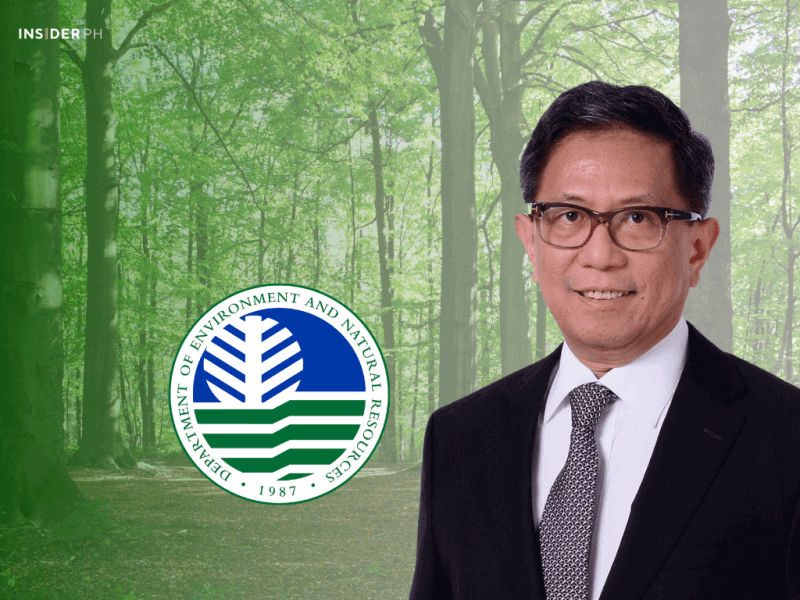
“This is not just a forestry reform – it is a climate and livelihood strategy of the Administration,” Environment and Natural Resources Secretary Raphael P. M. Lotilla said.
“For too long, our upland communities have carried the burden of protecting our forests without having enough opportunities to benefit from them. The SFLMA changes all of that. It creates better livelihoods, improves forest governance, and ensures that every hectare of forestland is managed sustainably for generations to come,” he added.

A 25-year forest management pact
At the center of the reform is the Sustainable Forest Land Management Agreement (SFLMA), a long-term production sharing agreement granting qualified partners the right to manage forestlands for 25 years, renewable for another 25.
The policy was launched through Department Administrative Order (DAO) 2025-22 and aligns with the Marcos administration’s development agenda, which prioritizes the sustainable management of the country’s forest lands.
The SFLMA harmonizes previously fragmented and overlapping forest tenure rules that had made approvals slow, confusing, and often inaccessible.
By consolidating requirements and streamlining processes, the new framework opens opportunities for cooperatives, People’s Organizations (POs), local enterprises, and private partners to invest in forest-based industries.
These include agroforestry, ecotourism, forest plantations, non-timber forest products, and sustainable pasture development.
Unlocking green growth
According to the DENR, the reform is expected to unlock green growth corridors across upland and rural areas, where forest-dependent families have historically had limited economic opportunities.
By providing long-term security of tenure, the SFLMA enables communities to attract investments and participate in broader value chains.
It also incentivizes partners to keep forest cover intact, restore degraded lands, and maintain ecosystem services that protect communities from floods, landslides, and drought.
In its year-end report, the DENR said it had conducted nationwide cluster orientations to ensure smooth implementation of the new policy.
Regional and field offices have been equipped with training to guide stakeholders through the transition, including directives on shifting from old tenure instruments to the SFLMA and implementing updated user-fee structures.
Forest Management Bureau director Arthur Fadriquela described the reform as transformative for upland families.
“For many families living in our upland communities, having long-term rights to manage the forest is a game changer. It gives them security, dignity, and the hope that the hard work they invest today will benefit their children tomorrow,” Fadriquela said.
“The SFLMA finally gives them the confidence to build their own future—to plant trees, grow forest farms, develop ecotourism sites, and start small forest enterprises—knowing they have 25 to 50 years to make their livelihood flourish. When we take care of our forests, we take care of our communities too,” he added.
Strengthening environmental safeguards
Beyond economic gains, the SFLMA strengthens environmental protection by promoting multiple forest management strategies, including forest protection forests, assisted natural regeneration, agroforestry belts, forest plantations, and ecotourism zones.
These approaches aim to restore degraded landscapes while expanding biodiversity habitats and sustaining ecosystem services.
The agreement also advances Sustainable Development Goal 15 (Life on Land) and supports the administration’s Bagong Pilipinas vision of a greener, safer, and more climate-resilient nation.
“Streamlining forest tenure gives us two major wins,” Lotilla said. “We strengthen protection and enforcement, and at the same time empower communities who depend on forests for their future. It is a governance reform designed to last.”
The DENR described the SFLMA as a cornerstone of its long-term forest strategy, anchored on science-based planning, community stewardship, and transparent governance. —Ed: Corrie S. Narisma