
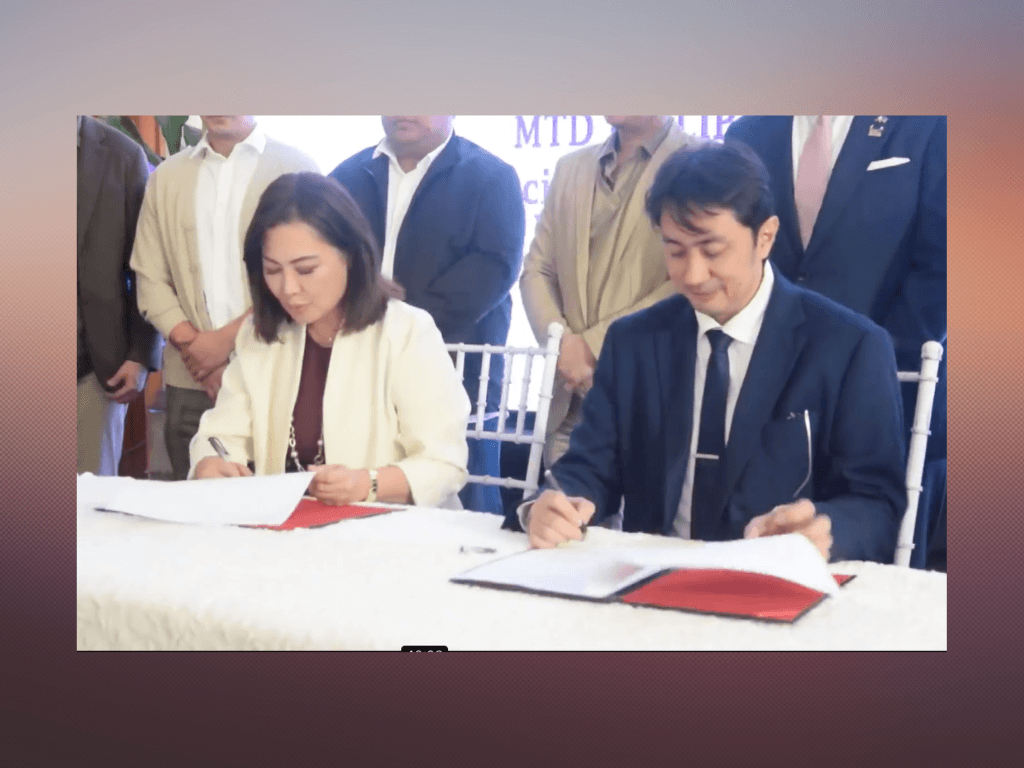
Cebu Gov. Pamela Baricuatro and Engr. Patrick Nicholas David, chief executive officer and president of MTD Philippines Inc., signed a memorandum of understanding (MOU) on May 19 to initiate the project’s feasibility study.
“The MOU we signed is an intent and a framework for cooperation. It's not yet binding. No construction begins today, hopefully tomorrow,” David told reporters during a news conference following the signing.
“What begins today is the discipline and the transparent process — joint technical assessment, master planning, and rigorous feasibility studies. Every future agreement will follow the procurement laws of the Philippines, PPP regulations, and the competitive selection process,” he added.
Integrated hub
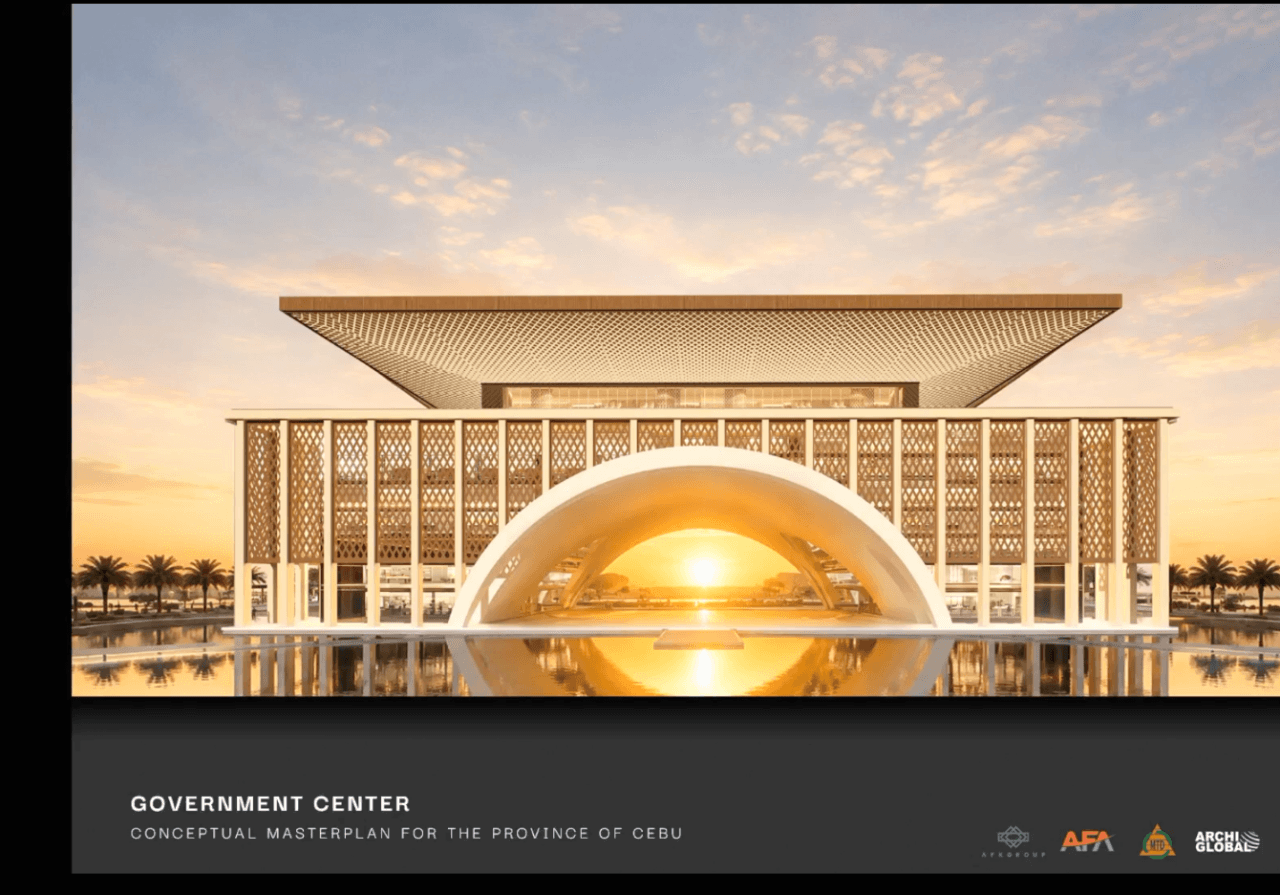
David said the vision is to consolidate administrative offices and frontline services in one location to make government services more accessible and efficient for Cebuanos.
The project also includes a post-harvest facility, which Baricuatro said Cebu urgently needs to improve food security.
“As you know, Cebu is very food insecure. We don't have a post-harvest facility. That's why inflation is very high,” she said.
She added that farmers and fisherfolk would benefit from cold storage and processing facilities that would improve food distribution across the province.
“If we have a mega food hub like what we are building in Naga, it would be very easy for both the north and south to access food. We would be able to address food security here in Cebu,” Baricuatro said.
Witnesses to the signing included Malaysian Ambassador to the Philippines Dato Abdul Malik Melvin Castelino, AFK Group CEO Tan Sri Dr. Azmil Khalid, and Provincial board members Stanley Caminero, Malcolm Sanchez, Alfie Ouano, and Mike Villamor.
Balili property
The project site is part of the controversial Balili property acquired by the provincial government in 2008 for P99 million.
The province purchased 24.9 hectares from the Balili family, but it was later discovered that around 19 hectares of the property were underwater. Graft charges were subsequently filed against former provincial officials, though the Sandiganbayan eventually dismissed the cases.
The submerged portion was later reclaimed, but the property remained unused until the current administration proposed the integrated development project.
Initial plans cover 28.7 hectares designated for institutional, recreational, commercial, and industrial use, with expansion plans extending up to 45 hectares. The development will also include landscaped areas, boardwalks, and water channels.
Major facilities
The proposed provincial government center will occupy around 40,000 square meters. The sports hub will include an aquatic center and a stadium with a seating capacity of 20,000.
Officials said the sports complex could help position Cebu as a venue for international sporting events, boosting tourism, and economic activity.
The development will feature a 10,000-square-meter food security facility with a fish port, fish market, agri-trade support services, and a transportation hub for ferries and public utility vehicles.
Renewable energy facilities, desalination systems, sewage treatment, and water supply infrastructure are also part of the proposal, alongside a waterfront retail promenade envisioned as a future tourist destination.
“The flagship development initiative is a visionary expression rooted in Cebu — integrating civic governance, sports, tourism, and commerce,” David said.
Project terms
Under the MOU, MTD Philippines will shoulder the cost of planning, feasibility studies, technical design, and permit applications.
The provincial government, meanwhile, will facilitate site preparation, coordinate with stakeholders, assist in permit processing, and monitor implementation.
The agreement clarified that the MOU does not authorize public spending or obligate either party to proceed without a separate definitive agreement approved under Philippine law. —Ed: Corrie S. Narisma

Contributor