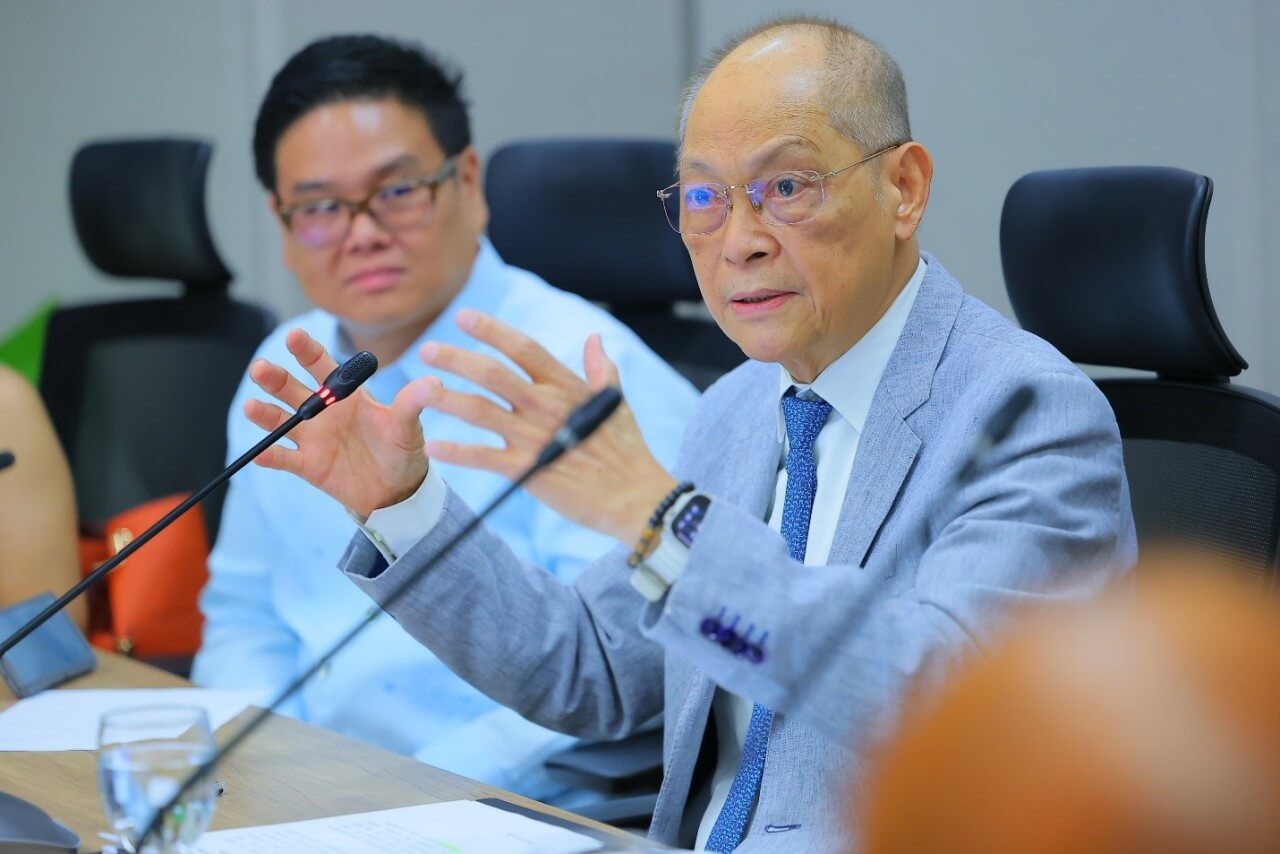
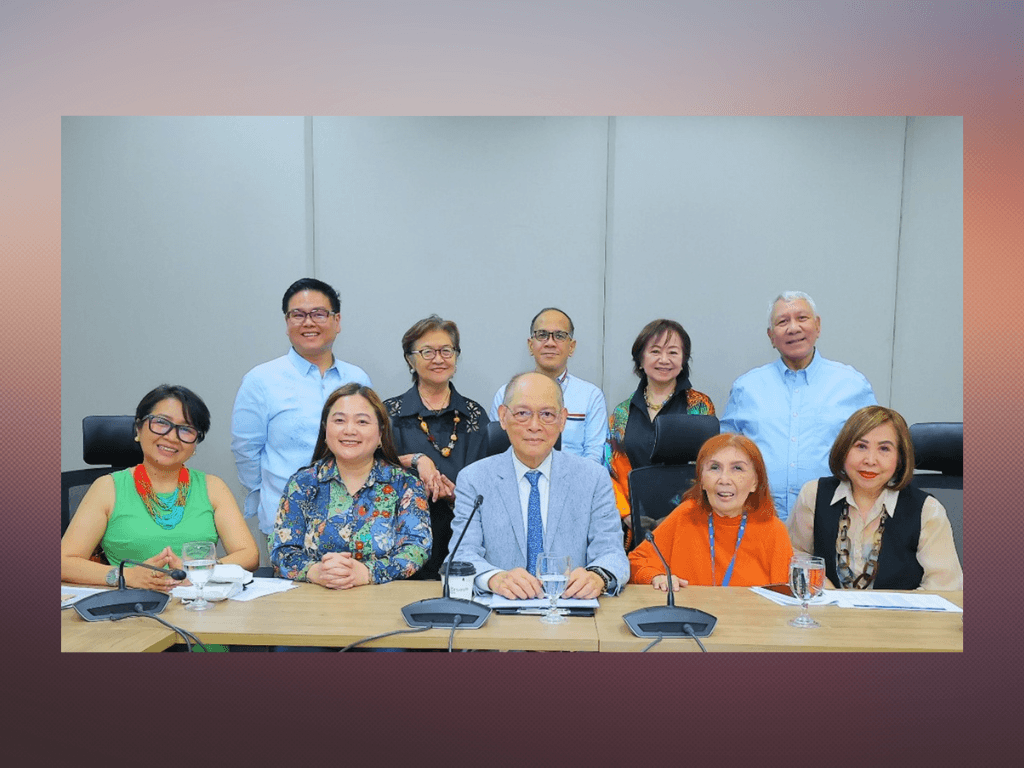
Speaking before members of the International Public Relations Association (IPRA) Philippine Chapter, Diokno stressed that budgeting is more than a financial exercise, describing it as a process that directly influences the lives of Filipinos and the country's long-term development trajectory.
Budget as a development tool
"The national budget is the most consequential task of Congress. It shapes the lives and aspirations of every citizen," Diokno said during the dialogue.
He presented an overview of the country's budget performance from 1987 to 2026, highlighting the steady growth in government spending and the continuing challenge of balancing expenditures, revenues, and fiscal deficits.
For Fiscal Year 2026, government expenditures are projected to reach P6.79 trillion, while revenues are expected to amount to P4.98 trillion, underscoring the need for prudent fiscal management amid growing development demands.
Strengthening accountability
A significant portion of the discussion focused on practical measures to improve fiscal responsibility and accountability.
Diokno outlined principles that include respecting the budget formulation process, supporting the President's proposed budget once finalized, honoring commitments to foreign-assisted projects, and ensuring public access to budget documents.
He emphasized that transparency and predictability are critical in maintaining public trust and promoting efficient use of government resources.
Promoting transparency
The dialogue also underscored the importance of openness during the legislative phase of the budget process.
Participants cited the publication of both House and Senate versions of the General Appropriations Bill as a positive step toward improving transparency and strengthening public confidence in government spending decisions.
Attendees likewise noted the conduct of the 2026 budget bicameral conference committee proceedings, which were facilitated with greater openness and clarity.
The session concluded with a shared view that sound fiscal governance requires cooperation among policymakers, communicators, and other stakeholders to ensure that the national budget remains an effective instrument for sustainable and inclusive development. —Ed: Corrie S. Narisma