A recent review by Colliers Philippines identified accessibility, mixed-use developments, the healthcare ecosystem, and improving infrastructure among the factors strengthening the Bay Area’s appeal to retirees.
The findings reflect a broader shift in retirement preferences as more people seek to remain active, travel, pursue personal interests and stay connected with their families.
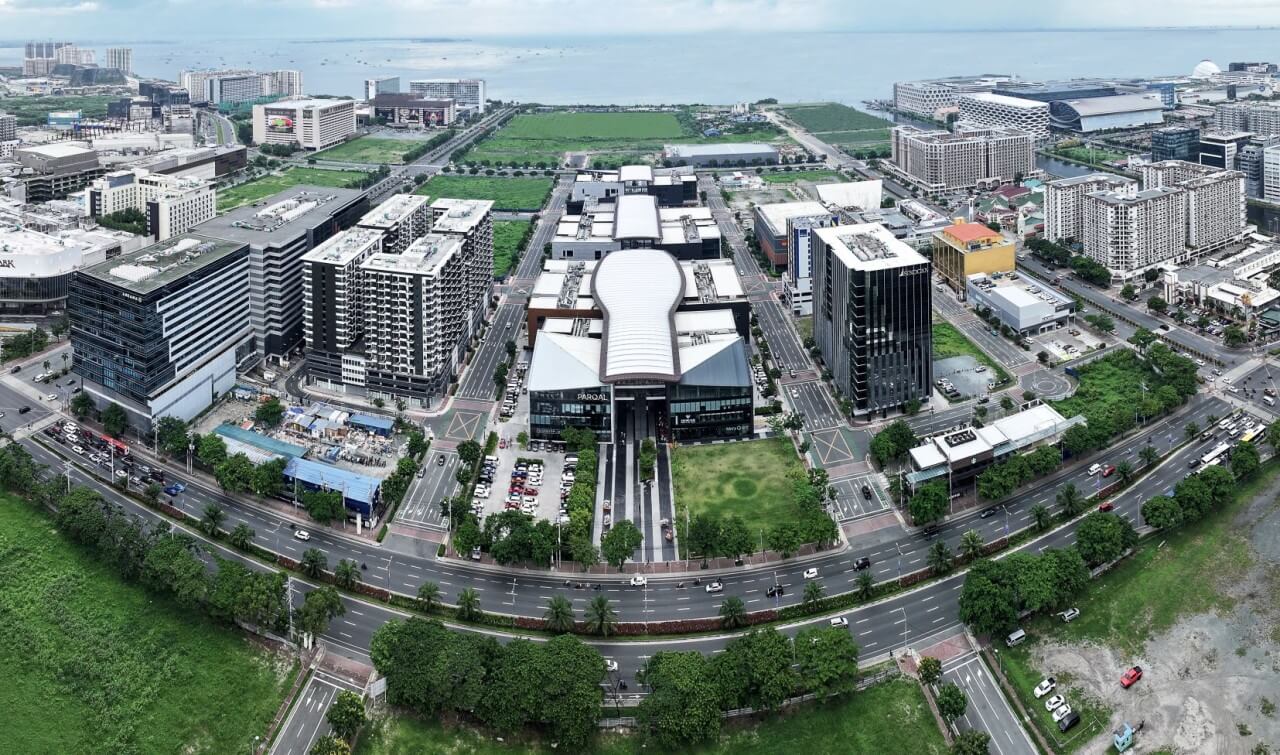
This is also influencing how property developers plan communities, with mixed-use districts such as Aseana City incorporating residential, commercial, healthcare, and leisure components in one location.
Healthcare takes priority
Access to healthcare remains a major consideration when choosing where to retire, putting greater focus on communities near hospitals and wellness facilities.
In Aseana City, plans for a future St. Luke’s hospital are expected to add a major healthcare component to the district as it develops.
The project could complement other amenities intended to support active lifestyles and give residents easier access to medical services.
Convenience closer to home
Colliers’ review also points to mixed-use development as a factor influencing the Bay Area’s attractiveness.
For retirees, proximity to groceries, restaurants, banks, pharmacies and other essential services can reduce dependence on lengthy commutes.
Aseana City’s master plan integrates residential, office, commercial and lifestyle developments, with key destinations intended to be accessible within about a 15-minute walk.
Such arrangements reflect the growing concept of “15-minute” communities, where residents can reach many daily necessities without relying heavily on cars.
Walkability gains importance
Infrastructure and connectivity are also becoming increasingly important for older populations looking for accessible urban environments.
Aseana City has incorporated pedestrian areas, climate-protected walkways and connected public spaces into its development.
Improved walkability can allow retirees to remain physically active while making short trips within their communities more manageable.
The Bay Area has also benefited from infrastructure development and its proximity to major transportation gateways, strengthening connections with other parts of Metro Manila and nearby provinces.
More than everyday essentials
Retirement preferences are also expanding beyond healthcare and convenience.
Leisure, recreation and social interaction are becoming bigger considerations as retirees look for opportunities to pursue hobbies and spend their free time without traveling far from home.
Mixed-use communities are responding by incorporating open spaces, dining establishments and lifestyle areas alongside residential developments.
Aseana City, for instance, includes public and lifestyle spaces designed to accommodate leisure and social activities.
These amenities can also help older residents maintain social connections and participate in community activities.
Keeping families connected
Location remains important for retirees who want to stay close to their children, grandchildren and friends.
The Bay Area’s position within Metro Manila, coupled with access to major roads and proximity to Ninoy Aquino International Airport, can make it easier for residents to receive visitors from elsewhere in the capital, nearby provinces or overseas.
For developers, this means connectivity is increasingly being viewed not only in terms of commuting but also as a factor in maintaining family and social relationships.
Building a community
Colliers’ findings also highlight a shift from viewing retirement properties simply as residences toward considering the broader community surrounding them.
This puts greater emphasis on public spaces and environments where residents can interact with neighbors, workers and visitors.
Integrated districts such as Aseana City are designed around this approach, bringing different property uses and public spaces together within a single development.
The model reflects changing expectations for retirement communities as older residents seek to remain engaged rather than isolated from urban activity.
The bigger picture
The Bay Area’s emergence as a potential retirement destination comes as Metro Manila’s property market evolves to accommodate changing demographics and lifestyles.
Healthcare facilities, mixed-use developments, pedestrian infrastructure, leisure options and connectivity are increasingly shaping decisions about where people may choose to spend their retirement years.
For developers, the trend presents an opportunity to design projects not solely around housing but around ecosystems that can support residents through different stages of life.
As infrastructure and healthcare investments continue across the Bay Area, districts such as Aseana City could provide a test of whether integrated urban communities can meet the changing expectations of the retirement market. —Ed: Corrie S. Narisma