Insider Spotlight
The move aims to bring secure, digital-enabled benefit disbursement closer to Filipinos who previously faced limited access to formal banking services, particularly in provincial regions.
Why it matters
The partnership addresses long-standing gaps in financial inclusion, especially in rural communities where distance and infrastructure have constrained access to SSS services and banking facilities.
By tapping EastWest Rural Bank’s footprint, SSS can extend its reach deeper into the countryside while reducing friction in benefit claims and loan disbursements.
What’s new
Members can now apply for the MySSS Card through 112 EastWest Rural Bank branches and additional cross-selling desks in EastWest branches, most of which are located in the Visayas and Mindanao.
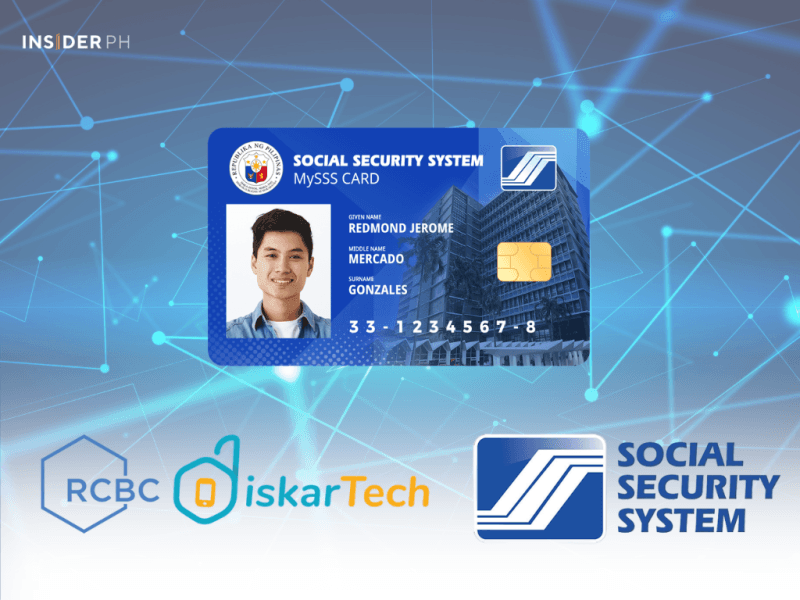
The card functions as both an official SSS identification and a debit card, enabling digital payments, savings, and direct receipt of benefits.
By the numbers
EastWest Rural Bank will waive maintaining balance requirements for cardholders, with interest earnings kicking in once balances reach at least P500.
This feature is designed to encourage savings among low-income and previously unbanked users.
What they’re saying
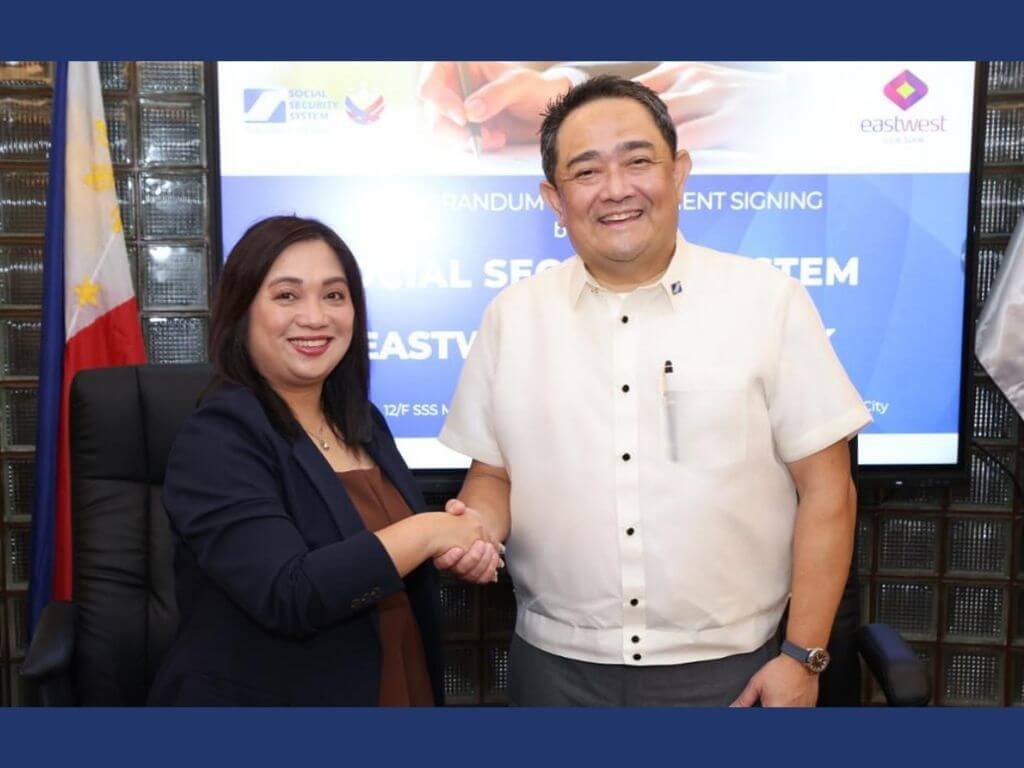
“We will waive maintaining balance requirements for MySSS cardholders, who may also earn interest once their balance reaches at least P500, allowing them to grow their savings while enjoying flexible account features,” Shiela Marasigan-Bajado, president of EWRB, said in a press statement.
“The MySSS card also empowers SSS to deliver seamless digital payment solutions for registrants, members, pensioners, and beneficiaries,” said SSS President Robert Joseph M. de Claro.
The big picture
The initiative builds on a decade-long partnership between SSS and EastWest Rural Bank, reinforcing a shared push toward inclusive finance.
With built-in verification linked to the National ID system, the MySSS Card also strengthens security while streamlining enrollment for benefits and loans.
Bottom line
SSS is leveraging rural banking infrastructure to close access gaps, signaling a broader shift toward decentralized, digital-first delivery of government financial services. —Vanessa Hidalgo | Ed: Corrie S. Narisma