The company reported utilizing 57,190 cubic meters of recycled water from stand-alone office developments and 128,700 cubic meters from mall-integrated offices. The combined volume of 185,890 cubic meters is equivalent to the annual water needs of around 775 average urban households.
Expanding water reuse
A significant share of these savings comes from recycled water generated through on-site sewage treatment plants. Treated water is reused for restroom flushing, landscape irrigation, and select cooling systems across SM Offices developments.
“Water efficiency is becoming increasingly important in modern office developments as more companies prioritize sustainability in their workplace strategies,” said Alexis Ortiga, vice president and head of SM Offices.
Ortiga added that responsible water use helps reduce environmental impact, lower operating costs, and strengthen resilience as water resources become more constrained.
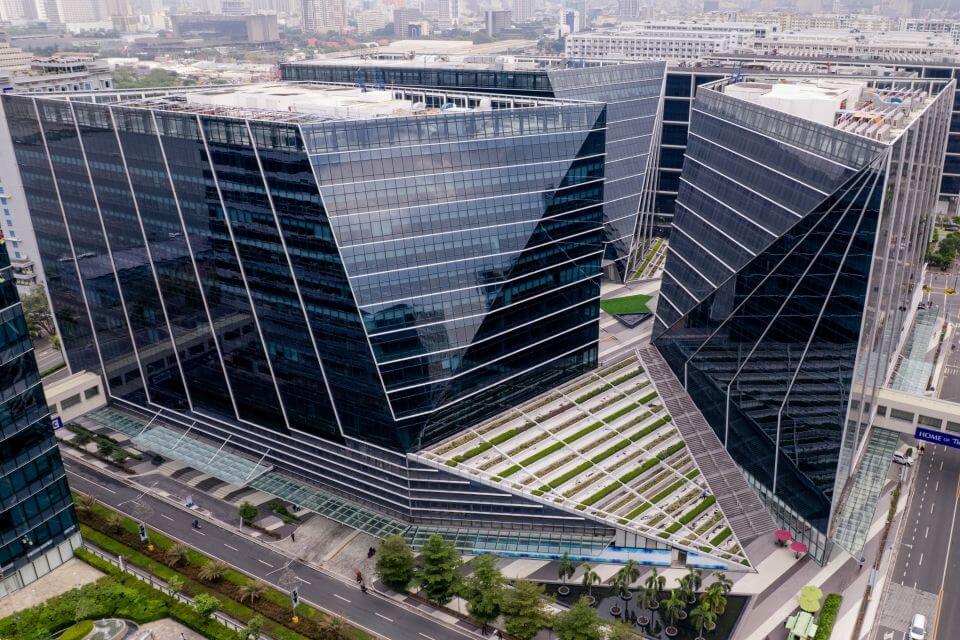
Recycled water also supports landscaped areas in key locations, including open spaces within the SM Mall of Asia Complex and the Central Business Park 1-A district in Pasay City.
Driving conservation efforts
Beyond recycling, SM Offices has implemented operational measures to further reduce water consumption. These include installing low-flow and sensor-based plumbing fixtures, conducting regular inspections to detect leaks early, and optimizing irrigation schedules to minimize evaporation.
In selected buildings, treated water is also used in cooling towers to support air-conditioning systems, reducing reliance on fresh water in daily operations.
These initiatives form part of SM Offices’ broader sustainability strategy aimed at easing demand on municipal water systems while providing greener workplaces for tenants.
The company also encourages tenants to adopt conservation practices through building guidelines, data sharing, and awareness campaigns.
Smart monitoring systems
“We are also exploring additional technologies to further reduce water consumption across our buildings,” Ortiga said, citing smart systems that monitor usage in real time and enable early leak detection.
“Through these initiatives, we can support our tenants as they grow their operations while using water more responsibly and reducing pressure on local resources,” he added.---Ed: Corrie S. Narisma