
Insider Spotlight
The hospitality group is advancing its “Gateway to Gastronomy” campaign through Conrad Manila’s Filipinas, a culinary experience built around regional Filipino flavors and the work of seven female chefs from the hotel’s culinary team.
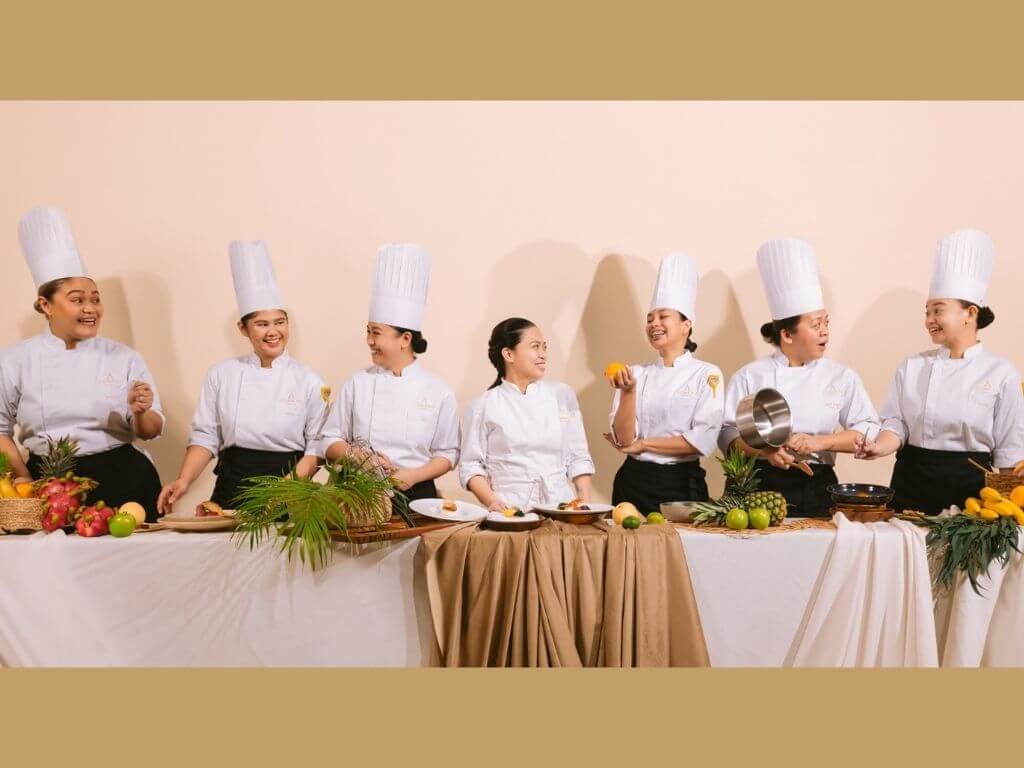
Gastronomy roadmap
The initiative reflects a broader push to make food a bigger part of the Philippine tourism proposition, complementing the Department of Tourism’s Food and Gastronomy Tourism Roadmap 2024–2029.
The roadmap aims to establish the Philippines as a leading gastronomic destination in Southeast Asia by promoting regional cuisines, local ingredients and hospitality partnerships.
“Filipinas demonstrates how Gateway to Gastronomy can translate our country’s rich culinary heritage into an experience that is both deeply rooted in tradition and relevant to today’s diners,” SMHCC vice president for food and beverage, quality, and sustainability Leah Magallanes said in a press statement.
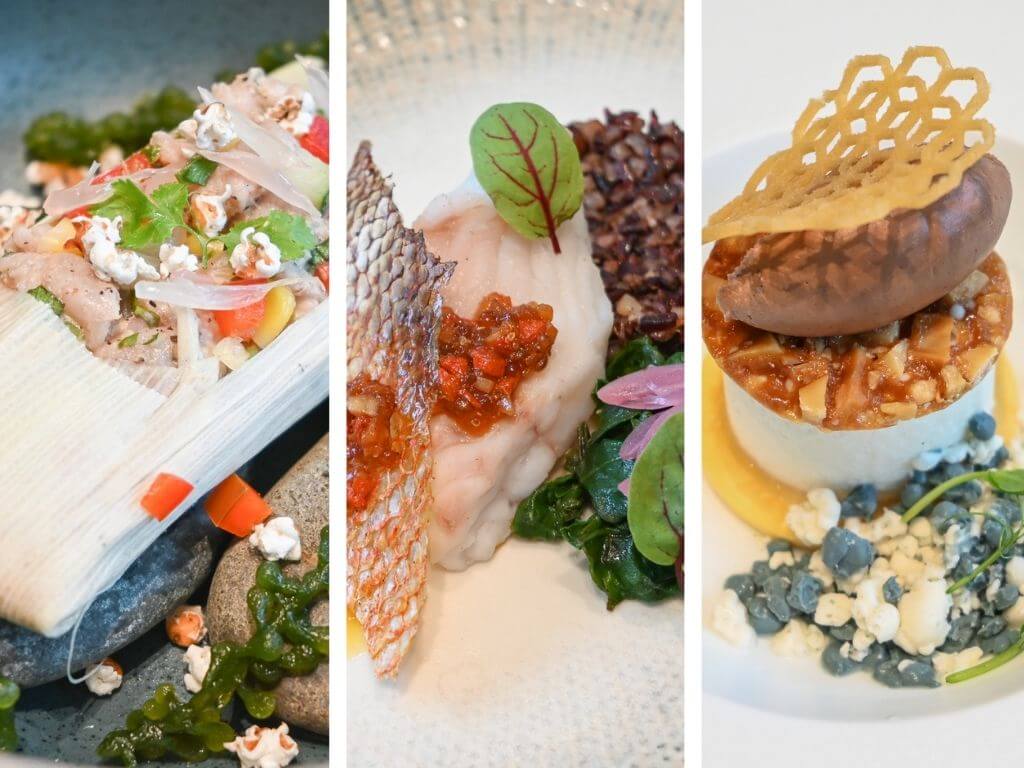
Seven-course chef’s table
Filipinas includes a seven-course chef’s table at Conrad Manila’s Brasserie on 3 on Sept. 12, featuring interpretations of dishes and ingredients associated with regions including the Cordilleras, Western Visayas, Central Luzon, Bicol and Davao.
Courses range from tokwa’t baboy using etag and coconut vinegar to beef tenderloin paired with burnt coconut, labuyo pearls and creamed taro leaves.
A four-course Filipinas set menu will also become available at Brasserie on 3 beginning also on Sept. 12, with meat, seafood and vegan selections.
‘Deeper appreciation’
“With Filipinas, we wanted to give our guests a deeper appreciation of Filipino cuisine by presenting familiar ingredients and traditions through a fresh and contemporary lens,” Conrad Manila general manager Rupert Hallam said.
Preserving culinary traditions
SMHCC is applying the same destination-led strategy across its portfolio, including heritage-focused dining at Taal Vista Hotel and initiatives tied to local ingredients and fishing communities at Pico Sands Hotel.
The approach positions hotels not only as accommodation providers but also as platforms for preserving culinary traditions and connecting travelers with the places and communities behind Filipino food. —Vanessa Hidalgo | Ed: Corrie S. Narisma