Against this backdrop, AstraZeneca Philippines and the Quezon City government have partnered to implement the Juan Healthy Lung COPD Screening Program, a public-private initiative aimed at expanding risk assessments, healthcare worker education, and disease awareness to improve early detection in communities.
COPD affects an estimated one in 10 Filipinos aged 40 and above. However, many patients are diagnosed only after symptoms have progressed, making disease management more difficult and increasing the risk of complications.
"COPD is a growing health challenge. Many Filipinos are often diagnosed late when symptoms have already begun to affect their lives," said Lotis Ramin, country president of AstraZeneca Philippines.

The partnership was formalized through a Memorandum of Agreement that combines AstraZeneca's respiratory health expertise with Quezon City's community healthcare network to bring screening and education closer to residents.
"At AstraZeneca, we have a bold ambition to transform how chronic respiratory diseases are detected and managed. Through the Juan Healthy Lung Program, we are focusing on early detection, better patient support and preventing complications so that patients live longer, healthier lives," Ramin added.
Shared effort
Quezon City, home to more than three million residents, has continued to invest in programs designed to improve healthcare access at the grassroots level.
Mayor Joy Belmonte said disease prevention remains a key component of building healthier communities.
"Every healthy community is built not only by treating disease, but by preventing it," Belmonte said.
"When we help one person breathe easier, provide for their family, and live a healthier life, the benefits extend far beyond the individual. They strengthen the entire community," she added.
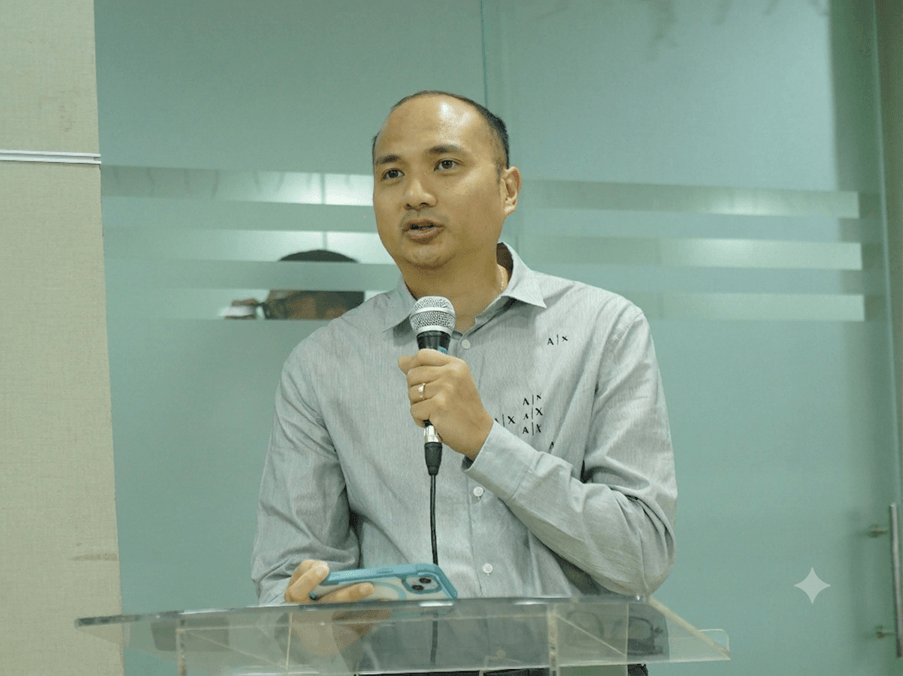
Under the program, residents will have access to COPD risk assessments and screening services, while healthcare workers will receive training on the early identification and management of the disease.
Public awareness campaigns and referral pathways will also be established to help connect at-risk individuals to appropriate care.
Growing burden
COPD is a chronic and progressive respiratory disease that narrows airways and damages lung tissue, making breathing increasingly difficult over time.
Smoking remains the primary cause of COPD in the Philippines, where an estimated 16.3 million people smoke. Exposure to air pollution, biomass fuel, and occupational hazards also contributes to the disease burden.
The challenge is particularly pronounced in urban centers. Studies show COPD prevalence among smokers in Metro Manila reaches 40 percent, compared with 28 percent in rural areas. Yet many cases remain undetected until the disease has advanced.
"Many patients remain undiagnosed until symptoms have already progressed, limiting opportunities for early intervention and appropriate care," said Dr. Cyril Tolosa, medical affairs director of AstraZeneca Philippines.
"By bringing screening, education, and support closer to where people live, this initiative aims to help more QCitizens access timely care, improve health outcomes, and take an important step toward building healthier and more resilient communities," he added.
As the program rolls out, AstraZeneca and the Quezon City government said they will monitor its reach and outcomes to strengthen community-based lung health efforts and encourage more residents to participate in screening and awareness activities. —Ed: Corrie S. Narisma