The big picture
On Jan. 13, the Philippines and the United Arab Emirates (UAE) signed the Comprehensive Economic Partnership Agreement (CEPA), marking a milestone in the country’s foreign economic policy and trade diplomacy.
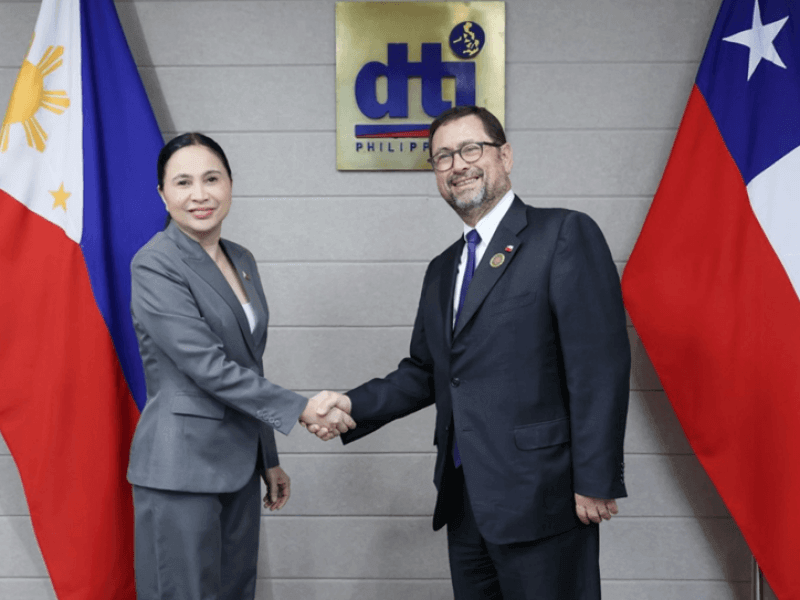
The agreement was signed by Trade Secretary Cristina A. Roque and UAE Minister of Foreign Trade Thani bin Ahmed Al Zeyoudi. It was witnessed by President Ferdinand R. Marcos Jr. and UAE President Mohamed bin Zayed Al Nahyan.
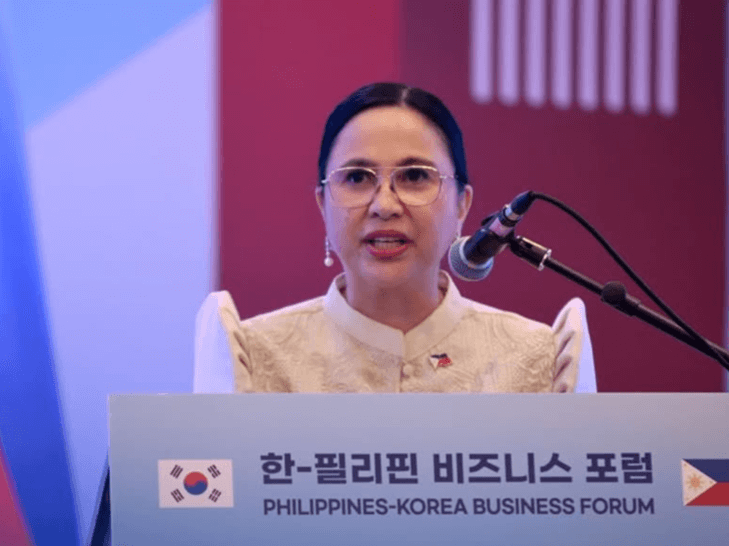
What they’re sayingRoque said the CEPA aligns with the Marcos administration’s strategy of using trade policy for long-term economic positioning.
“Following President Ferdinand R. Marcos Jr.’s directive, we are using strategic trade deals to move Philippine businesses into higher-value markets and more integrated supply chains,” Roque said.
“The CEPA gives our exporters and service providers a stable platform in the Middle East and sends a strong signal that the Philippines is open for deeper, rules-based economic partnerships.”

By the numbers
Who benefits
Industries expected to gain include:
Beyond goods
The CEPA also establishes clearer rules for services trade, covering professional services, construction, retail, IT-BPM, and tourism—supporting Filipino firms expanding in the UAE and encouraging UAE investments in the Philippines.
What’s next
The agreement goes beyond tariffs, opening cooperation in digital trade, MSME development, sustainable trade, labor and environmental protections, intellectual property, competition policy, government procurement, and technical cooperation—laying the groundwork for deeper trade, services, and investment integration. —Ed: Corrie S. Narisma